
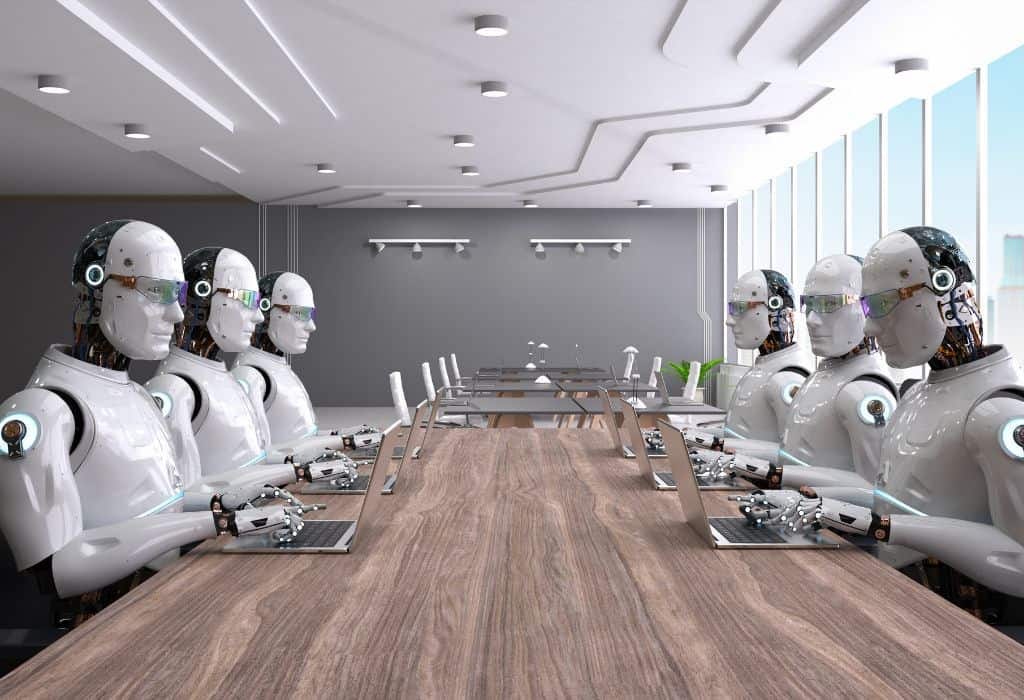
For years, people have warned about Artificial Intelligence replacing jobs.
Writers, designers, customer support agents, analysts — almost every profession has felt a little uncertain.
I used to think it was an exaggeration.
Then it happened.
AI took my job.
But what I didn’t expect was this:
It also pushed me into a better one.

My work was not “futuristic” or highly technical.
It involved:
It was steady, predictable, and human-driven.
Then AI tools became mainstream.
Suddenly:
What once took me hours could now be done in minutes.
And just like that, my role started shrinking.

It wasn’t dramatic.
There was no official announcement.
Just fewer tasks assigned to me.
Then came the message:
“We are restructuring workflows with AI integration.”
That was it.
My job, as I knew it, was gone.
At first, it felt like failure.
I asked myself:
But then I noticed something important:
The same AI that replaced parts of my job… was also being used by companies to create new roles.
Roles that didn’t exist before.
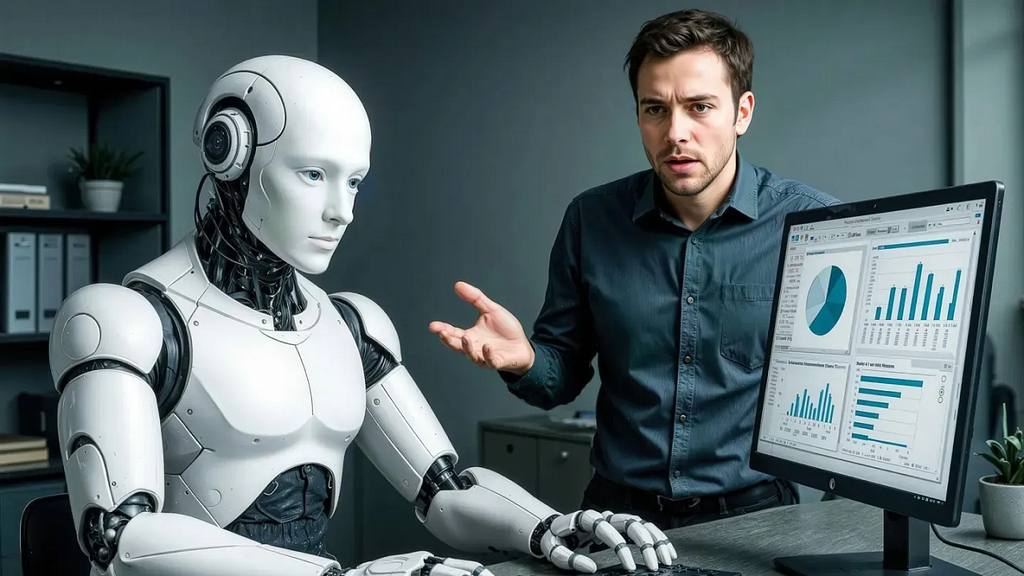
Instead of competing with AI, I started learning how to work with it.
That changed everything.
My new role was not about producing everything manually anymore.
It became about:
In other words:
I stopped being just a worker and became a “workflow designer.”
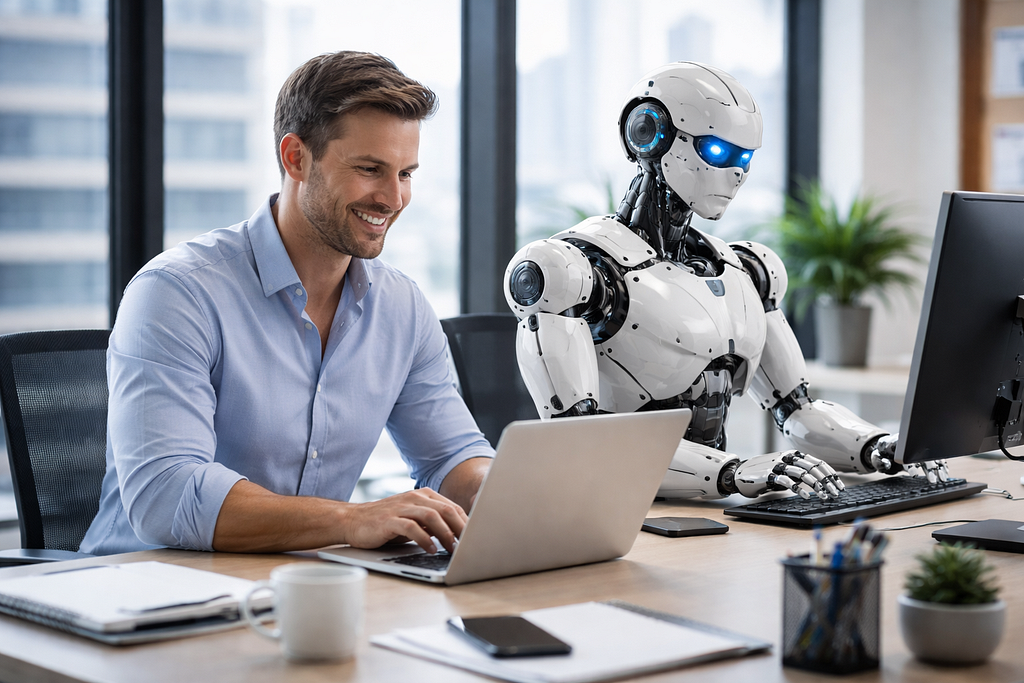
My new responsibilities looked very different:
Ironically, I was now doing higher-level work than before.
Less repetition. More thinking.
Less execution. More decision-making.
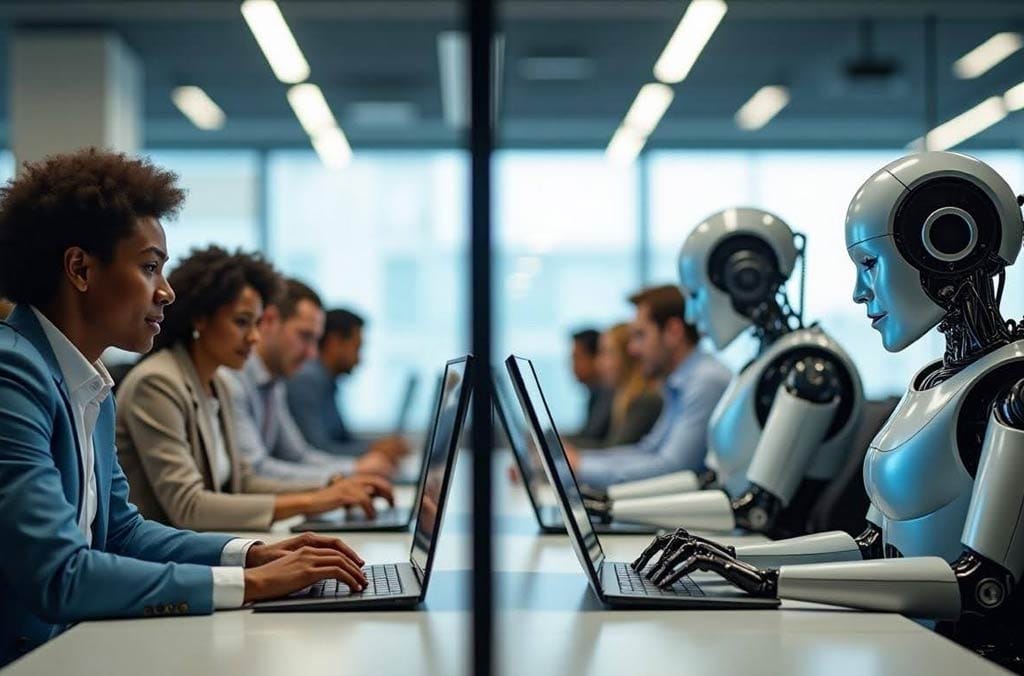
At first, I thought AI was a threat.
But in reality, it did three things:
The boring parts of my job disappeared.
I had to learn new tools and workflows.
Creativity, judgment, and strategy became more important.

Here’s what most people misunderstand:
AI doesn’t just destroy jobs. It transforms them.
Some roles disappear.
Some roles evolve.
And new roles emerge that didn’t exist before.
The problem is not AI itself.
The problem is the speed of change.
In this new world, there are two types of people:
They see it as a threat and avoid it.
They learn it, use it, and grow with it.
The difference between the two is not intelligence.
It is flexibility.

Looking back, losing my job was not the end.
It was a transition.
I learned:
Most importantly:
The job I lost was not the job I needed for the future.
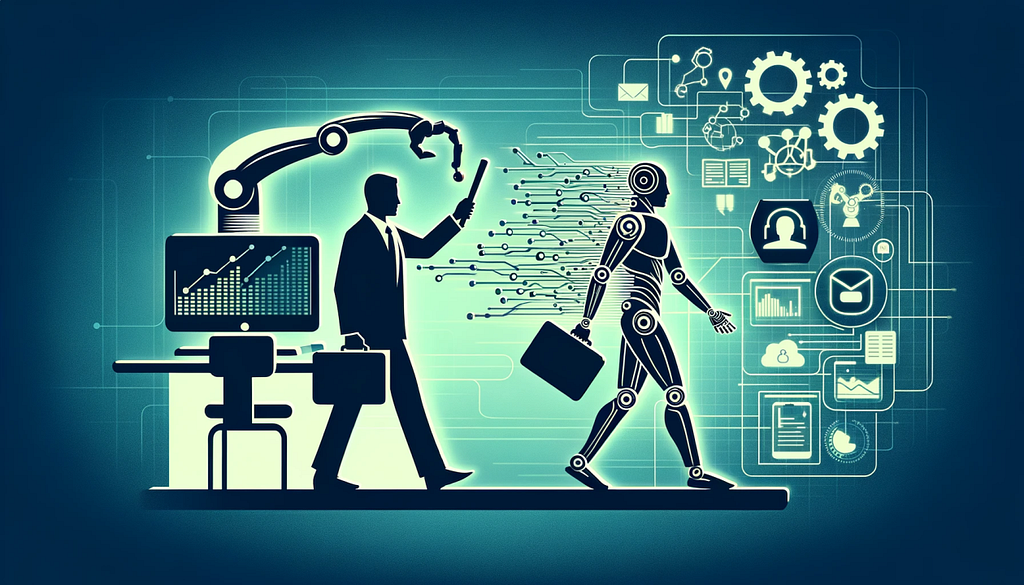
The workplace is changing into a collaboration system.
AI will handle:
Humans will handle:
Together, they form something more powerful than either alone.
AI took my job.
But it didn’t take my career.
It forced me to evolve.
And in doing so, it gave me something unexpected:
A better version of my work — and a better version of myself.
The future of work is not about humans versus AI.
It is about humans who learn how to evolve with AI.
Replaced, Redirected, Reborn: What Happens After AI Takes Your Job? was originally published in Coinmonks on Medium, where people are continuing the conversation by highlighting and responding to this story.





