Bitcoin has gone through multiple crashes, corrections, and market cycles since its creation in 2009. From drops of over 80% to new all-time highs, volatility has always been part of the journey.
Yet one question still appears frequently: Can Bitcoin ever go to $0?
While short-term crashes are always possible, a complete collapse to zero is extremely unlikely. Here are three strong reasons why Bitcoin will not crash to $0.
Bitcoin is no longer a niche experiment used by a handful of tech enthusiasts. Today, it is a globally recognized asset class.
This level of adoption creates a strong demand floor.
For $Bitcoin to go to $0, every institution, company, and investor worldwide would have to abandon it simultaneously—a scenario that is highly unrealistic.
Bitcoin operates on a decentralized network secured by thousands of nodes and miners across the world.
To bring Bitcoin to $0, the entire network would need to fail or be compromised globally.
Given its distributed nature and continuous upgrades, this is extremely unlikely. In fact, the network has only grown stronger over time.
Bitcoin has a fixed supply of 21 million coins, making it one of the scarcest assets in the world.
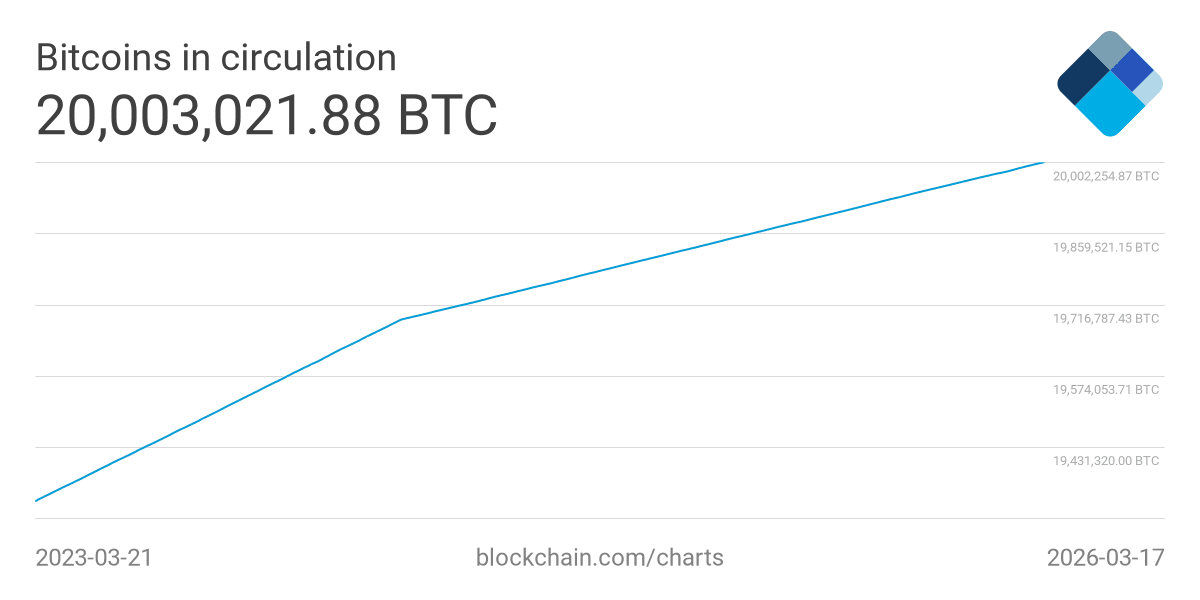
This scarcity creates a long-term value proposition, similar to digital gold.
Even during major crashes, Bitcoin has never reached zero because there is always buyers stepping in at lower levels.
Bitcoin can be volatile. It can drop 50%, even 80% during bear markets. But a complete collapse to $0 would require:
All three happening at the same time is highly improbable.
Instead, Bitcoin continues to follow cycles of boom and correction, with each cycle bringing higher adoption, stronger infrastructure, and deeper liquidity.





