Blockchain and AI integration offers transformative potential by combining decentralization with advanced computation, enhancing security, transparency, and efficiency across various sectors.
The convergence of blockchain technology and artificial intelligence (AI) represents a groundbreaking fusion that combines the strengths of decentralization with advanced computational capabilities. While blockchain and AI may appear to be opposing forces — with AI centralizing data and power and blockchain decentralizing and democratizing it — their integration offers significant potential for transformative applications.
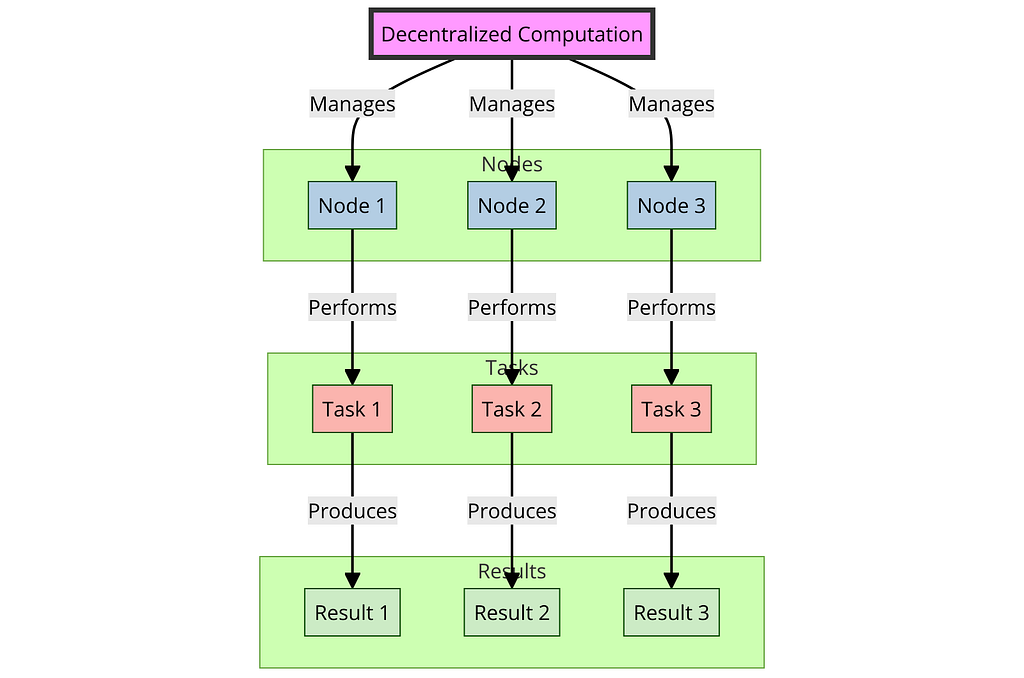
AI requires substantial computational resources, typically provided by centralized entities like Nvidia. However, blockchain can decentralize this computation. Decentralized virtual infrastructure (DVI) protocols enable users to connect their machines, leveraging underused computational power, such as GPUs. This decentralization can significantly reduce costs, offering a more economical alternative to traditional cloud services like AWS.
The integration of AI and blockchain raises several ethical dilemmas, particularly around the concepts of consciousness, artificial general intelligence (AGI), and the singularity.
Nobel Prize winner Roger Penrose argues that consciousness cannot be fully replicated by computational means, suggesting a unique human exceptionalism. This contrasts with pragmatic views that prioritize AI’s ability to enhance productivity, regardless of its consciousness.
AGI refers to AI systems that can perform any intellectual task that a human can. The singularity is a hypothetical point where AI surpasses human intelligence, potentially leading to dramatic societal transformations. This raises questions about control and alignment with human values.
Projects like SingularityNET aim to create decentralized AI networks that are transparent and open-source. This approach seeks to democratize AI, ensuring that its development and benefits are distributed more equitably.
Blockchain can enhance the security and trustworthiness of AI applications. For instance, using blockchain to verify the authenticity of data used in AI training can prevent tampering and ensure data integrity.
AI can play a crucial role in DAOs by automating decision-making processes and enforcing rules. This can lead to more efficient and transparent organizational structures.
Smart contracts on blockchain platforms can leverage AI to automate complex tasks and decision-making processes. This can improve efficiency and reduce the potential for human error or bias.
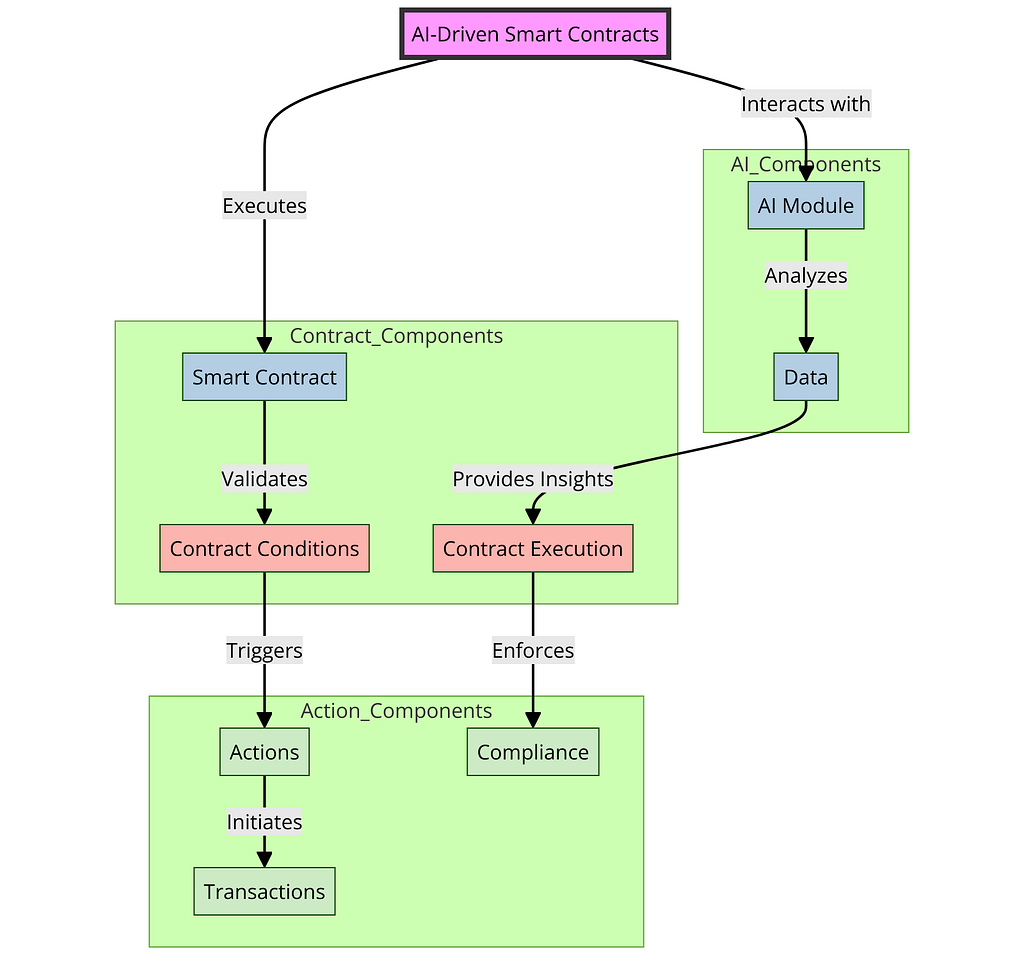
In the financial sector, AI and blockchain can work together to enhance security and efficiency. AI algorithms can detect fraudulent transactions, while blockchain ensures the transparency and immutability of transaction records.
Blockchain and AI can revolutionize healthcare by enabling secure and efficient data sharing. AI can analyze medical data to provide personalized treatment recommendations, while blockchain ensures patient data privacy and security.
Combining AI with blockchain can optimize supply chain operations. AI can predict demand and optimize inventory management, while blockchain ensures transparency and traceability of products.
While blockchain offers enhanced security, integrating AI presents additional challenges related to data privacy. Robust encryption and adherence to data protection regulations are essential to address these concerns.
Integrating AI with blockchain requires significant investment in infrastructure and training. Scalable solutions are crucial to accommodate the growing demands of AI applications.
Ensuring that AI is developed ethically and without bias is a significant challenge. Transparent and inclusive development processes, along with regulatory oversight, are necessary to address these issues.
As AI systems become more complex, the need for explainable AI — where the decision-making process is transparent and understandable — becomes increasingly important. This transparency can build trust and ensure accountability.
The integration of AI with the Internet of Things (IoT) can create smarter, more connected systems. AI can analyze data from IoT devices in real-time, optimizing processes and improving decision-making.
AI can play a crucial role in governance, both within organizations and at a broader societal level. AI-driven decision-making can enhance transparency and efficiency, provided it is implemented ethically and with appropriate oversight.
The fusion of blockchain and AI offers immense potential for innovation and transformation across various industries. While there are significant challenges to address, the synergies between these technologies can lead to more secure, efficient, and transparent systems. As we navigate this rapidly evolving landscape, it is crucial to prioritize ethical considerations and ensure that the benefits of these technologies are distributed equitably. The future of blockchain and AI is promising, with the potential to drive significant progress and shape the future of industries worldwide.
An Overview of Blockchain and AI: Synergies and Contrasts was originally published in Coinmonks on Medium, where people are continuing the conversation by highlighting and responding to this story.





