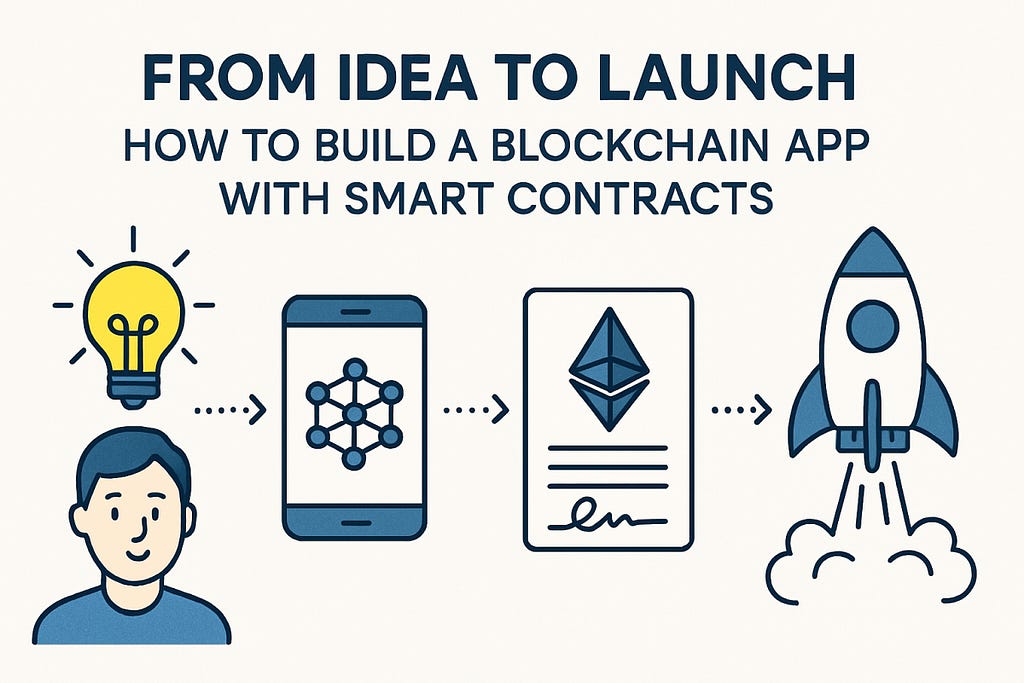
Blockchain technology has gained widespread attention for its ability to promote transparency, efficiency, and automated processes. With applications in sectors such as finance, supply chain, healthcare, and gaming, blockchain apps are now more accessible and practical than ever before. If you are considering building your own blockchain application with smart contract functionality, this guide will walk you through every major step, from conceptualizing your idea to launching a secure product.
Before venturing into development, it is crucial to understand the underlying concepts. Blockchain is a type of distributed ledger technology that records transactions across many computers in a way that makes data tampering very difficult. Each “block” contains transaction data, a timestamp, and a cryptographic hash of the previous block.
Smart contracts are self-executing programs with the terms of the agreement directly written into code. They automatically execute transactions once predetermined conditions are met. A reputable Smart Contract Audit Company can certify the reliability of your code, ensuring that any flaws are caught before deployment.
Start with a clear understanding of the problem you are trying to solve. Ask:
Clearly stating the app’s primary function and goals will help you stay focused as you move through the development process.
Conduct thorough research:
Market research prevents investing resources in an idea with limited potential and helps you tailor your solution toward real needs.
A practical blockchain app needs both a robust back end (the blockchain logic) and a user-friendly interface.
Selecting appropriate programming languages, tools, and frameworks is essential:
Evaluate technology options based on community support, ease of use, and compatibility with your chosen blockchain.
Set up your tools:
Test everything locally to catch issues early and maintain code integrity.
This is the core component that drives blockchain logic:
Smart contracts operate autonomously, so thorough testing is critical. Ensure code is clear, readable, and well-documented.
Security is vital, as vulnerabilities can cause significant financial losses. It is standard practice to engage a Smart Contract Audit Company for a comprehensive review. An audit entails:
Security practices also involve:
The interface is what users interact with. Build a responsive front end that communicates with the smart contract.
Prioritize clarity and intuitive design in every detail. Conduct usability testing with real users and incorporate their feedback.
Connect the user interface with blockchain back end using APIs and wallet integrations:
Handle errors gracefully and keep users informed about ongoing transactions.
Before going live, subject your app to comprehensive testing:
You may also want to test on public testnets like Ropsten or Mumbai to assess performance under real-world network conditions.
Once satisfied with the test results:
Be prepared to support the launch with clear documentation and customer support.
Blockchain apps require continued support:
Having an update mechanism in your app and service for emergency fixes (like using proxy contracts) is beneficial for stability.
Depending on your app’s function and jurisdiction, compliance may be required:
Engage legal counsel for advice on your particular project.
A blockchain app’s success often depends on its community:
Transparent communication is key. Regular updates, Q&A sessions, and engagement will help create trust and interest.
After launch, use analytics tools to measure:
Adapt your strategy as new opportunities or challenges arise.
A professional audit by a specialized company significantly reduces the risk of bugs or vulnerabilities that can lead to financial or reputational losses. Third-party audits combine automated tools and expert analysis for thorough evaluation.
Your choice will depend on use case, transaction speed, cost, and community. Ethereum is popular, but newer chains like Binance Smart Chain, Solana, or Polygon may offer advantages for certain projects.
Many blockchains allow for updates through proxy contracts or by deploying new versions. However, transparency is important — keep your users informed at all times about any changes.
Ready to turn your blockchain vision into reality? Get expert guidance and technical support for building tokens and smart contracts by exploring Token Development services from codezeros. Let solid expertise guide each phase of your project — from concept to secure deployment.
Contact codezeros today to move your idea forward with confidence!
From Idea to Launch: How to Build a Blockchain App with Smart Contracts was originally published in Coinmonks on Medium, where people are continuing the conversation by highlighting and responding to this story.





