Currently trading at $0.3844 with a $3.01 billion market cap, the token has slipped 5.11% in the past week, raising fresh concerns about its long-term outlook.
While the Pi community remains large and active, experts are warning that the project still faces serious challenges in 2026. From delayed mainnet launches to limited real-world adoption, the red flags are difficult to ignore.
The most pressing concern is Pi’s unlaunched Open Mainnet. For years, the project has remained in its Enclosed Mainnet phase, preventing coins from being freely traded on global exchanges. Without this transition, Pi lacks true liquidity and reliable price discovery.
Adding to the frustration is the slow Know Your Customer (KYC) verification process, which has left millions of users unable to migrate their tokens. This bottleneck continues to limit participation and raises doubts about the project’s ability to scale.

A cryptocurrency’s value depends on real-world use cases, but Pi still struggles to deliver meaningful adoption. Although some decentralized applications (dApps) exist within its ecosystem, most remain underdeveloped or lack active user engagement.
Experts caution that unless Pi demonstrates tangible progress with its dApp economy and peer-to-peer functionality, its large user base alone won’t be enough to sustain value in the long run.
Another issue is the project’s centralized governance. The Pi Core Team retains significant control over development, raising questions about transparency. Reports of a foundation wallet holding a large portion of supply have only fueled skepticism.
Decentralization is one of blockchain’s core principles. Without it, critics warn that Pi risks being vulnerable to manipulation by a small group, undermining investor trust.
If Pi eventually transitions to an open mainnet, millions of tokens mined by early adopters could suddenly hit the market. This influx of supply may trigger sharp selling pressure, eroding prices just as they begin trading freely.
Concerns about Pi Network aren’t limited to technical delays. Authorities in China have previously flagged fraudulent schemes exploiting Pi’s brand. Scammers lured victims by promising free mining via smartphone apps, encouraging them to recruit others for referral rewards. In multiple cases, elderly individuals were persuaded to hand over personal data and even pension funds, only to discover it was a scam.
These warnings underscore the importance of investor vigilance in 2026, especially as hype continues to outpace real progress.
With a $3.01 billion market cap and one of the largest user communities in crypto, Pi Network clearly commands attention. But until the project launches its Open Mainnet, addresses KYC backlogs, and proves real-world utility, experts say it remains a high-risk gamble.
Price predictions for 2026 vary wildly—from bullish calls above $5 to bearish outlooks under $1—but all agree on one thing: without decentralization and adoption, Pi is far from fulfilling its “next Bitcoin” narrative.
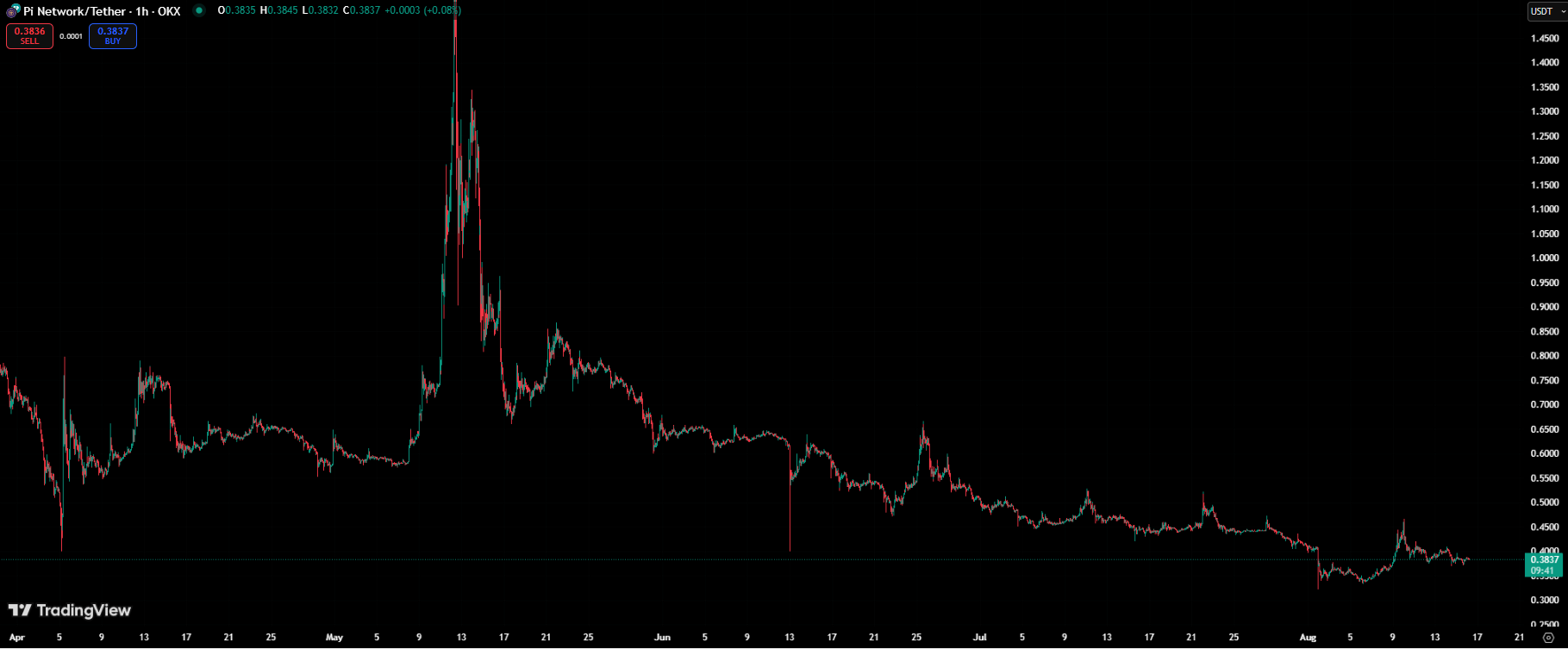
For now, Pi Network remains a speculative bet, and investors are urged to approach with caution.
The information provided in this article is for informational purposes only and does not constitute financial, investment, or trading advice. Coindoo.com does not endorse or recommend any specific investment strategy or cryptocurrency. Always conduct your own research and consult with a licensed financial advisor before making any investment decisions.
The post Why Experts Are Warning Pi Network Investors to Be Cautious in 2026 appeared first on Coindoo.