One step ahead of expectations, the EU’s new rule on checking payment recipients kicks in by 2026 slowly redefining how money moves across borders. Far from just paperwork noise, this shift digs into core mechanics for fintech firms, payment providers, electronic money institutions, and online banks.
Instead of ticking boxes, they face a rebuilt idea of confidence right inside every transfer.
Most of what VoP does sits quietly beneath speed — safety matters just as much as pace when shifting funds. Soon, every SEPA credit transfer must confirm instantly whether the given name fits the IBAN.
Think of it like pausing briefly to verify identity before releasing cash. Across Europe’s financial network, this step becomes standard practice. Fewer mistakes happen when names get checked ahead of time. Scams where people are tricked into sending money grow harder under these rules. Wrong accounts receive less accidental traffic too.
To most people, the shift might seem barely noticeable. Yet banks face a much heavier lift. Payment pathways, signup processes, even backend connections must adapt all while keeping speed intact.
The core issue stands quiet but sharp: stronger safeguards shouldn’t mean longer waits. Smooth service remains non-negotiable, even when safety grows more demanding.
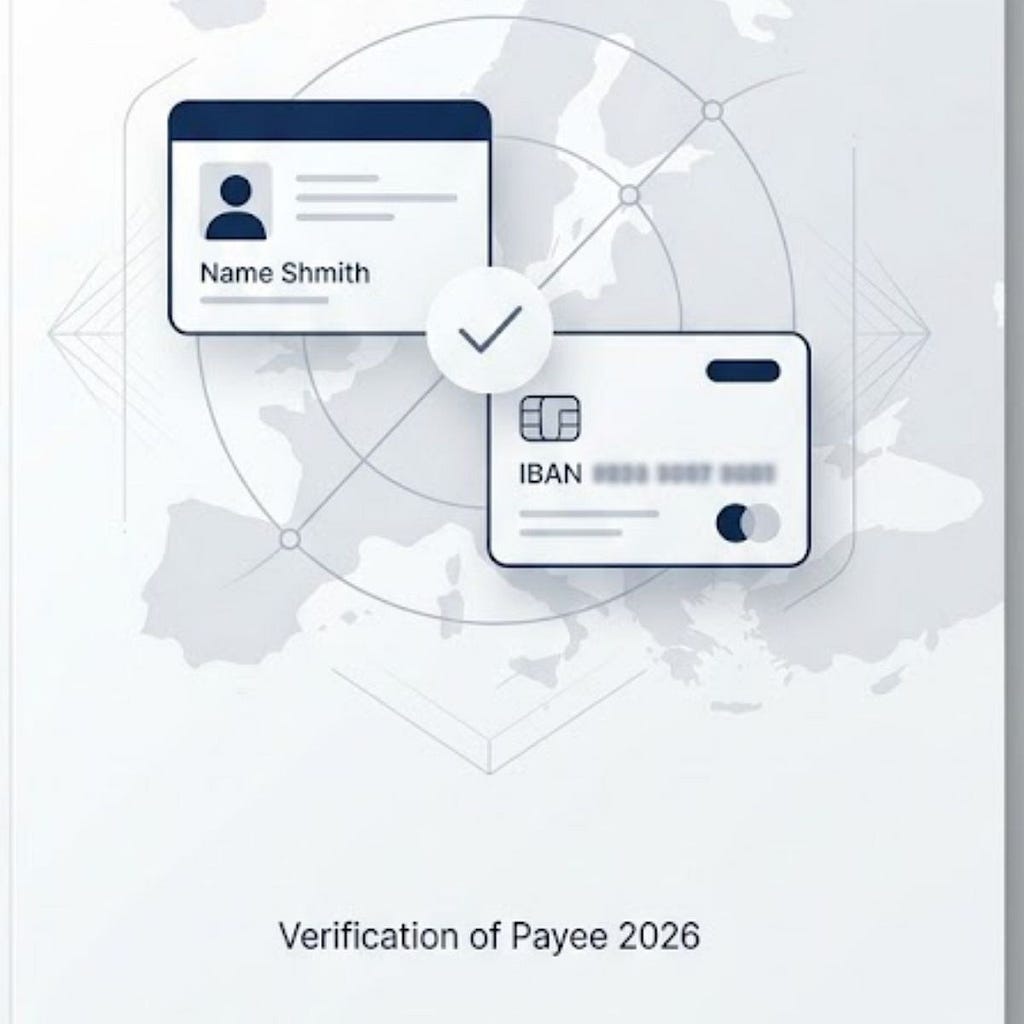
Now comes VoP, shaking up fintechs whose edge was once just fast interfaces. Not only speed matters anymore, how payments are steered must also line up identities with every single transaction. Instead of simply moving money cheaply, systems must catch mismatches before they grow.
When things slip, backup paths kick in, yet these steps can’t feel clunky or users walk away. Even so, rules still bind what teams can do, no matter how smooth they aim to make it.
One thing is certain handling payments just got trickier for payment service providers and electronic money institutions juggling several EU regions. Each bank might answer Verification of Payee requests in its own way, varying response speed, precision, or how it links names to accounts.
A patchwork like that forces tech platforms to step in, smoothing out differences using smart routing tools and behind-the-scenes processing layers.
Still, VoP offers more than just meeting rules. Those who move fast might find it builds credibility, fewer scams, steadier users, healthier transaction networks. Where trust now weighs as much as quickness, proving identity may set some apart, not slow them down.
Close to 2026, a shift shows itself payment setups across Europe start blending who you are with what you pay. Those moving ahead see Payee Verification not because they must, instead build on it quietly, shaping finance that works better, feels tighter.
EU Mandatory Verification of Payee (VoP): The 2026 Wake-Up Call Reshaping European Payments… was originally published in Coinmonks on Medium, where people are continuing the conversation by highlighting and responding to this story.





