by Sheni Ogunmola
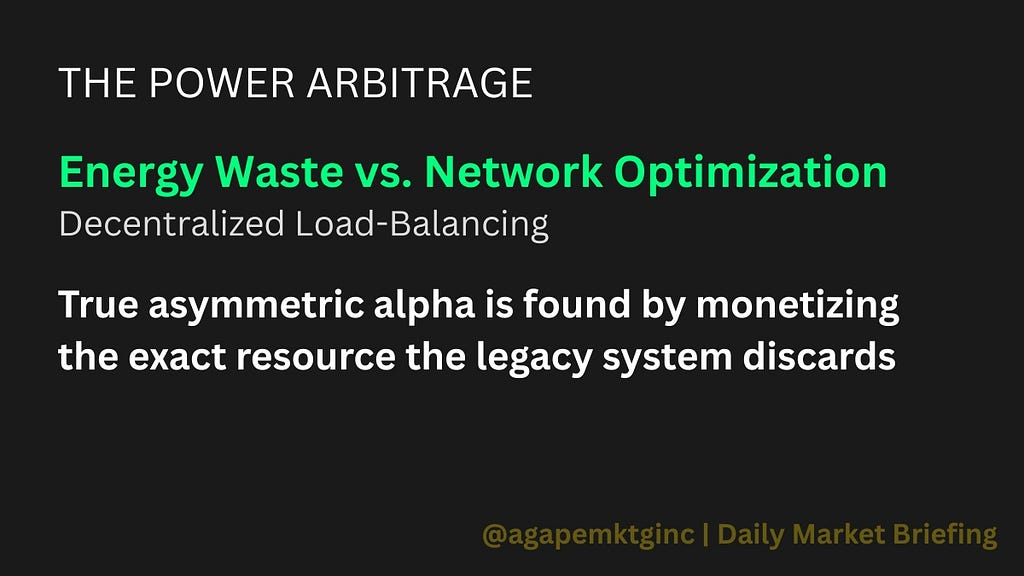
If you view decentralized digital assets purely through the lens of retail price speculation, you are missing the greatest infrastructure arbitrage of the decade. The timeline is obsessing over chart patterns while entirely ignoring the physical, industrial mechanics happening underneath the surface.
Bitcoin and decentralized mining networks are not merely financial instruments. They are highly efficient, grid-stabilizing energy assets.
To understand the arbitrage, you must first diagnose the structural inefficiency of the legacy power grid.
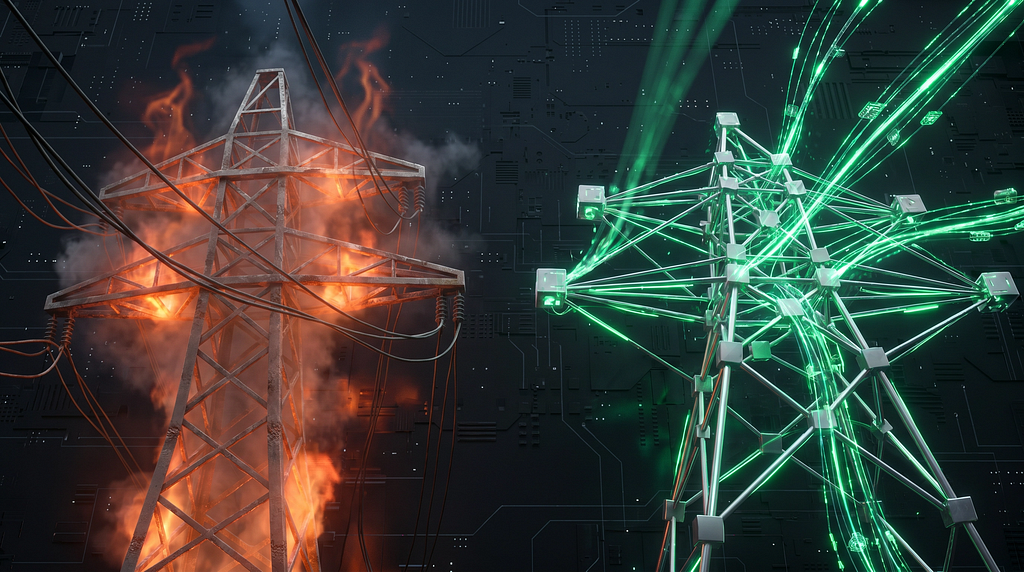
Energy providers are forced to generate massive amounts of continuous baseload power to ensure the grid does not collapse during peak hours. However, energy is incredibly difficult and expensive to store. When the grid generates excess power during off-peak hours — or when renewable sources like wind and hydro produce energy in remote locations with low demand — that energy is completely wasted. It is stranded capital. The producer takes on the full CapEx to generate the power, but captures zero revenue for the excess.
Decentralized mining solves this precise physical bottleneck.
Mining operations act as a location-agnostic buyer of last resort. Because a node only requires an internet connection and a power source, mining operations can be deployed directly at the site of stranded energy. They consume the exact excess load the legacy grid cannot sell, instantly transforming a dead, zero-value liability into a highly liquid, universally recognized digital asset.
This is the perfect execution of the Dhandho philosophy. Heads I win, tails I don’t lose much. By monetizing the exact resource that the legacy system physically discards, decentralized infrastructure captures an asymmetric edge that traditional energy companies cannot replicate.
Institutional capital has already recognized this shift. They are no longer treating decentralized networks as software experiments; they are deploying capital into them as critical industrial infrastructure.
If your capital is heavily allocated toward legacy utilities that suffer from massive CapEx bleed and energy waste, you are actively subsidizing an inefficient system. It is critical to audit your legacy energy exposure through the Risk Matrix Pro Terminal. Stop paying a premium for systemic inefficiency and position your capital alongside the ultimate power arbitrage.
The Power Arbitrage was originally published in Coinmonks on Medium, where people are continuing the conversation by highlighting and responding to this story.





