
Day 1: Portfolio value: $50,000
Day 180: Portfolio value: $12,847
I thought I was being smart.
Instead of falling for get-rich-quick schemes, I decided to TEST them. Every viral crypto trading method. Every “guaranteed” strategy. Every bot that promised passive income while I sleep.
Six months later, I’ve lost 74% of my trading capital.
But here’s the thing nobody tells you about failure: it’s the world’s most expensive education. While most crypto traders are still chasing the latest TikTok strategy or throwing money at random altcoins, I now know EXACTLY which methods actually work — and which ones are designed to separate you from your money.
This isn’t another “how to get rich” post. This is a $37,000 lesson in what NOT to do.
And the 3 strategies that somehow still made me profitable.
Truth is, I was tired of the noise. Every crypto influencer promised the moon. Every Discord group had a “secret sauce.” Every YouTube thumbnail screamed about 1000x gains.
So I did what any rational person would do: I put my money where everyone else’s mouth was.

What could go wrong, right?
Everything.
Remember when everyone said crypto trading bots were “set it and forget it” money printers?

I bought into the hype. Hard.
I deployed 23 different trading bots across multiple exchanges. Some cost $500/month just for access. Others promised “proprietary algorithms” that would outsmart the market while I slept.
Week 1: Up $1,200. I felt like a genius.
Week 3: Down $2,400. “Market volatility,” they said.
Week 6: Down $5,800. “Temporary correction,” the Discord assured me.
Week 12: Down $7,653. The bots were systematically buying high and selling low.
The final nail? During a flash crash, my “intelligent” algorithms competed against each other, creating a cascading sell-off that liquidated 90% of my bot portfolio in 14 minutes.
Lesson learned: Bots are only as smart as their creators. And most creators have never actually traded successfully themselves.
“Earn 1000% APY on your crypto!” the banners screamed.
I dove into every high-yield farming opportunity I could find. PancakeSwap, SushiSwap, random BSC protocols promising astronomical returns. If it had “Safe” or “Moon” in the name, I was there.

My biggest single loss? $4,200 vanished overnight when a “revolutionary” farming protocol got exploited. The developers? Gone. The Discord? Deleted. My funds? Chef’s kiss — permanently decentralized.
The brutal truth: 1000% APY means 1000% risk. There’s no free lunch in DeFi.
This one hurts to write about.
I chased every dog coin, every food token, every anime-themed cryptocurrency that hit the trending pages. My portfolio looked like a zoo mixed with a restaurant menu.

I watched $6,000 turn into pocket change while learning the hardest lesson in crypto: when everyone’s talking about it, you’re already too late.
After losing $37,000 to crypto fantasies, I discovered something surprising: the boring strategies actually make money.
While I was chasing 1000% returns, Harvard and Brown University endowments were quietly accumulating Bitcoin through systematic dollar-cost averaging.

Not sexy. Not viral. But consistently profitable.
Not all DeFi is created equal. While I was chasing astronomical yields, the real money was in established protocols with sustainable tokenomics.
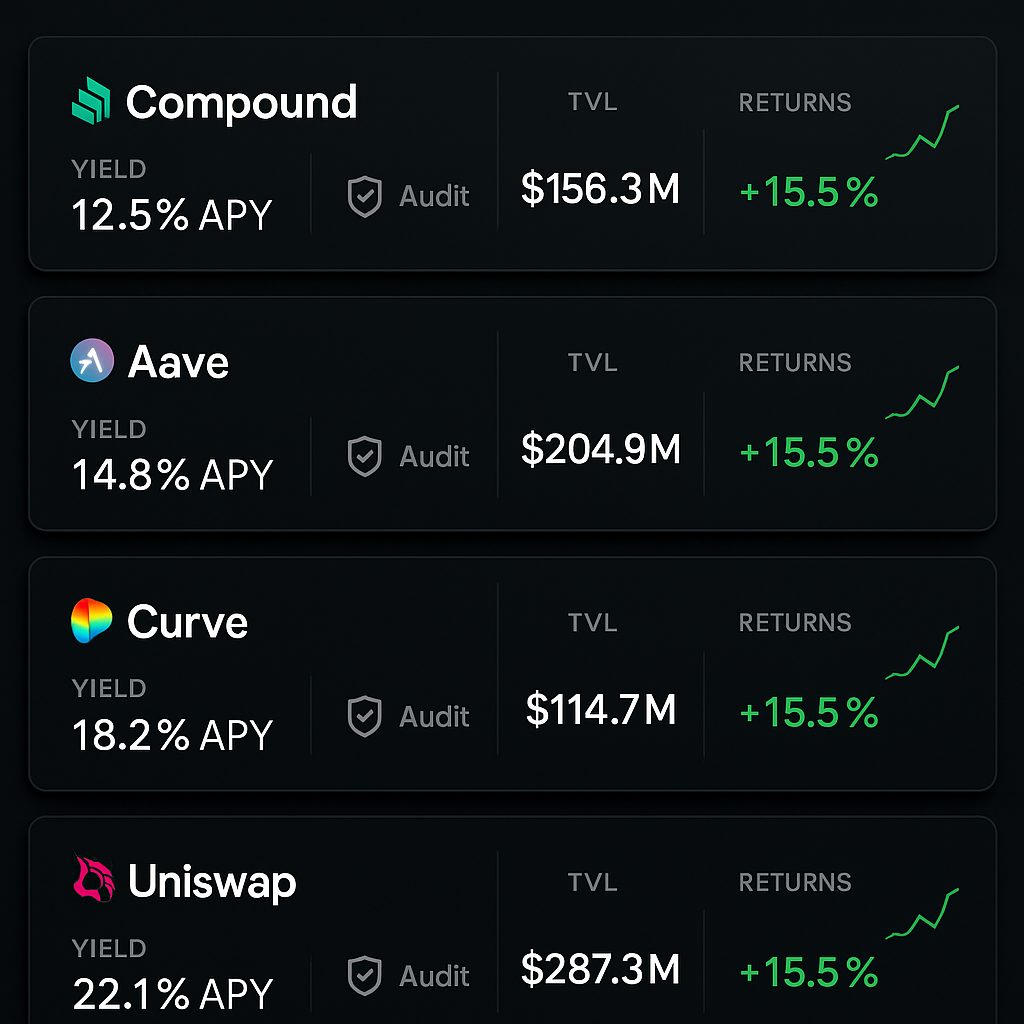
Key insight: Boring protocols with sustainable economics beat flashy new projects every time.
While everyone else panics or FOMOs into news events, contrarian positioning can be incredibly profitable.
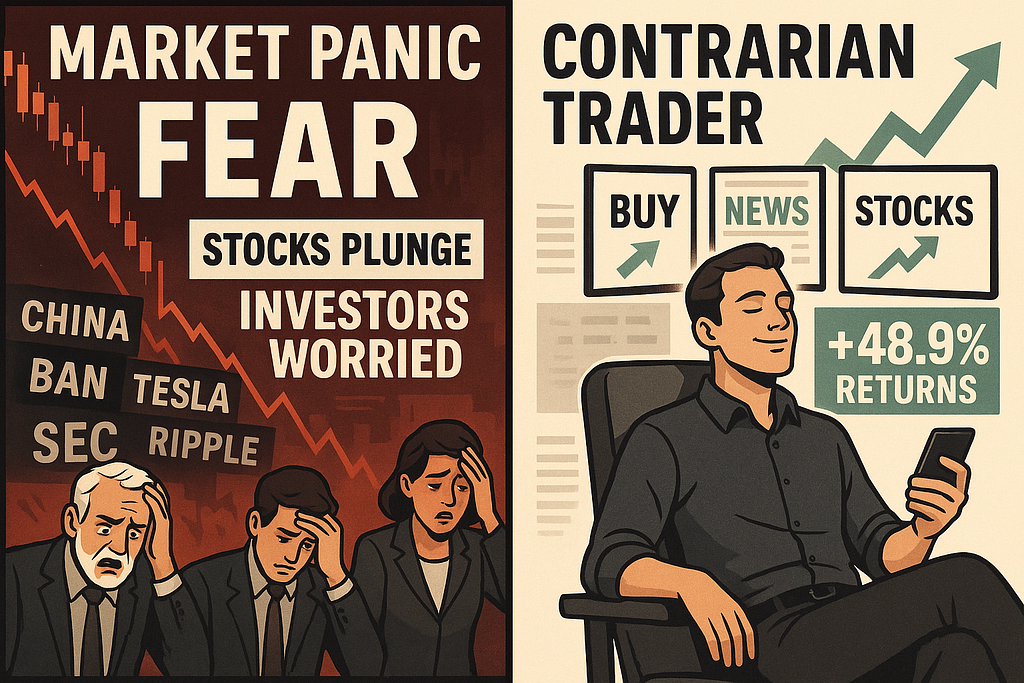
The psychology: When everyone’s selling, you buy. When everyone’s buying, you sell. It’s simple but not easy.
Time investment: 4–6 hours daily monitoring markets, Discord groups, and news
Emotional toll: Constant stress, sleep disruption, relationship strain
Tax complexity: Thousands of transactions requiring detailed record-keeping
Opportunity cost: Time not spent on career development or other investments
Gas fees alone cost me $2,100 across all my failed experiments. Every failed transaction, every farming harvest, every panic sell — Ethereum doesn’t care about your losses.
If I could restart this experiment with my current knowledge:
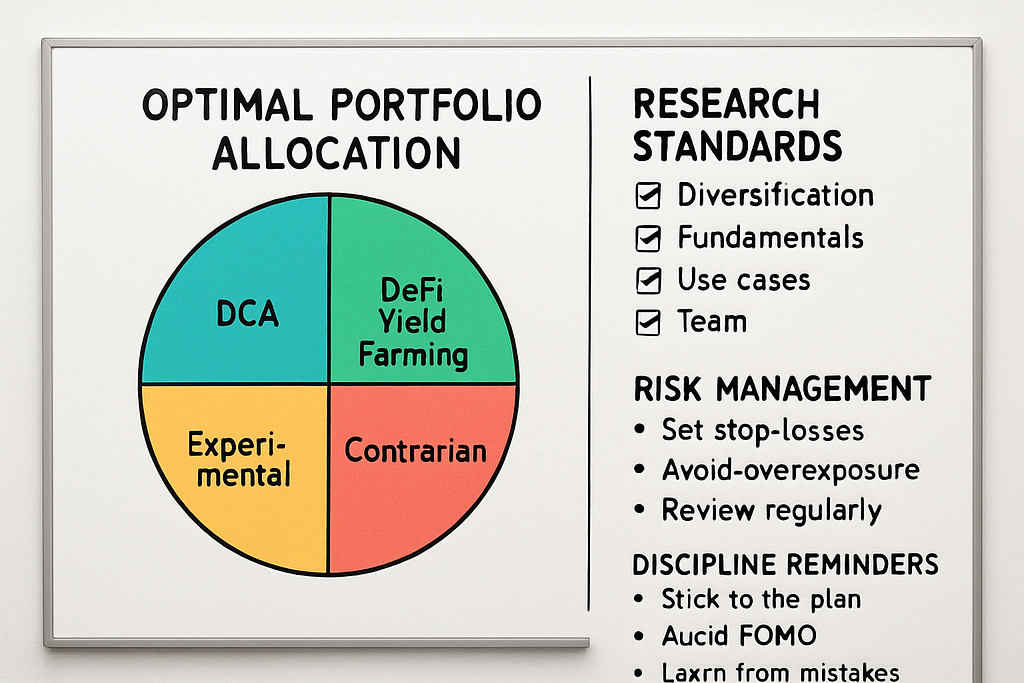
After destroying and rebuilding my portfolio, here’s what I wish someone had told me:
Boring wins. The most profitable crypto strategies are also the most boring. DCA into blue-chip cryptocurrencies beats 99% of complex trading strategies.
Time beats timing. Trying to time the market consistently is a fool’s errand. Time in the market beats timing the market, even in crypto.
Risk management is everything. The difference between successful and failed crypto traders isn’t picking winners — it’s managing risk and surviving long enough to benefit from the winners.
Most strategies don’t work. The crypto space is filled with failed strategies, exit scams, and broken promises. If something sounds too good to be true, it probably is.
Traditional approaches that failed: -$37,153
Boring strategies that worked: +$5,821
Net result: -$31,332
Lessons learned: Priceless
Was losing $31,000 worth it? Honestly, yes. Not because I enjoy losing money, but because I now have something more valuable than a profitable portfolio: the knowledge of what actually works.
I’m sharing these results not to discourage you from crypto investing, but to save you from making the same expensive mistakes I did. The crypto space is full of opportunity, but it’s also full of traps designed to separate you from your money.
Stick to the boring stuff. DCA into quality projects. Manage your risk obsessively. And remember: in crypto, as in life, the tortoise usually beats the hare.
What’s your biggest crypto trading mistake? Share your disaster story in the comments — we’ve all been there, and learning from each other’s failures is how we avoid repeating them.
Found this helpful? Hit that follow button for more no-BS crypto insights, and clap if this saved you from making similar mistakes. Your future portfolio will thank you.
Disclaimer: This is not financial advice. Past performance doesn’t guarantee future results. Only invest what you can afford to lose completely.
I Destroyed My $50K Portfolio Testing Every Crypto Trading Myth — Here’s What Actually Works was originally published in Coinmonks on Medium, where people are continuing the conversation by highlighting and responding to this story.