If you’ve been watching crypto for a while, you already know the storyline: meme coins bash through the headlines on a social-media wave, then vanish just as fast. But in 2025 a quieter – and arguably more consequential – shift is happening. Long-term investors are increasingly steering capital toward AI tokens and other smart crypto projects that promise utility, recurring demand, and real-world integrations, rather than gambling on viral memes.
Why the change? At the heart of it: fundamentals beat hype when investors are building sustainable portfolios. Let’s unpack what’s driving this rotation and why AI-focused and utility tokens are winning longer attention from serious investors.
Meme coins have an undeniable charm: explosive, headline-making returns driven by community fervor and influencer attention. But that same structure makes them fragile – subject to pump-and-dump cycles, regulatory scrutiny, and extreme volatility. Financial authorities and analysts have repeatedly warned about the high risk of meme tokens, often comparing them more to gambling than investing (Investopedia). That caution resonates with anyone trying to build lasting capital, not just quick wins.
On the flip side, AI tokens and other smart crypto projects anchor their value to services and product flows – decentralized compute, data marketplaces, model-staking economies, or programmable utilities baked into real platforms. That alignment with repetitive, measurable usage is what attracts long-term capital: it’s not a hope for social-media traction, it’s a bet on sustained demand. Recent industry reports show growing investor interest in utility-focused segments and AI-native tokens as projects ship actual products and partnerships.
Here are four concrete reasons smart money is leaning into AI tokens and similar utility plays:
You don’t need to look far to find AI or utility tokens that embody these principles. Projects like Render (RNDR) provide decentralized GPU rendering that utility users pay into; SingularityNET (AGIX) focuses on decentralized AI services; Fetch.ai (FET) builds autonomy and agent-based workflows. When these platforms onboard real users – studios buying rendering time, enterprises licensing models, or marketplaces exchanging data – tokens become demand-capturing instruments rather than speculative collectibles. Analysts and data teams often point to these integrations when assessing long-term potential.
That said, nuance matters: AI tokens are not a monolith. Coverage in industry outlets has also shown mixed performance for AI token indices in 2025, reminding investors that execution – not the label “AI” – decides winners. Still, the category’s core thesis (utility + demand = durable value) is why many portfolios now include select AI and utility tokens.
To be fair, meme coins aren’t dead. They still deliver short-term alpha and cultural energy to the market. For traders and speculative pockets of portfolios, meme tokens can be high-reward plays. Some meme projects are also evolving – adding utility, launchpads, or Layer-2 innovations – attempting to morph into more sustainable offerings. But for long-term allocation, investors are looking for predictability and revenue capture; meme coins usually fail that checklist. Recent analyses comparing meme-coin performance and utility token resilience confirm this bifurcation of roles.
If you’re trying to pick AI tokens or other smart crypto projects for a long-horizon portfolio, here’s the practical filter institutional and sophisticated retail investors are using:
Applying these filters helps stray from narrative-driven bets into research-backed positions.
Let’s be blunt: utility and AI tokens reduce certain risks but introduce others.
So, research and portfolio sizing remain essential.
For investors leaning toward smart crypto projects over meme coins, here’s a concise strategy:
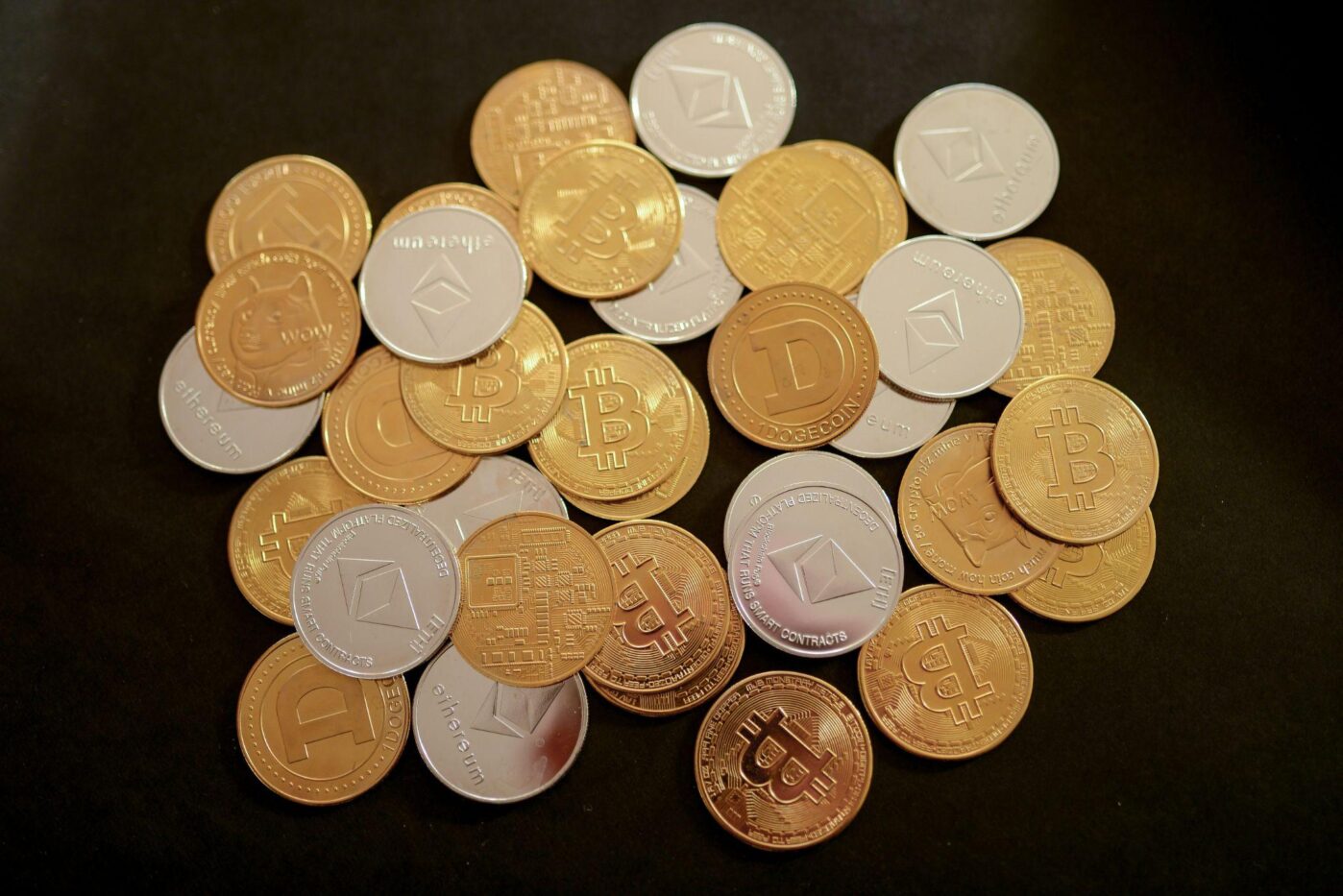
2025’s market is clearer about one thing: durability matters. Long-term investors aren’t rejecting novelty; they’re rejecting narrative-only value. AI tokens and other smart crypto projects can capture repeated economic activity, draw developer and enterprise demand, and – if executed well – deliver sustainable upside that meme coins rarely sustain.
If you want explosive, short-term moves, meme coins will keep serving that appetite. But if you’re building capital for the long run, seeking tokens backed by real utility, product adoption, and thoughtful tokenomics is a smarter path forward. That’s why many long-term investors are reallocating into the AI and utility corners of crypto – it’s not just trend-chasing, it’s portfolio engineering.
Sources & further reading: CoinGecko 2024–25 market reports, TokenMetrics AI token research, CoinDesk analysis on AI token performance, Investopedia on meme coin risks, and academic reviews of decentralized AI architectures.
Disclaimer: This is informational and not financial advice. Always do your own research before investing.
AI tokens represent real-world utility – such as access to computing power, data marketplaces, or decentralized AI services – while meme coins often rely solely on community hype. Investors are increasingly prioritizing smart crypto projects like AI tokens because they’re tied to measurable demand, recurring use cases, and sustainable tokenomics rather than fleeting social media trends.
A smart crypto project typically has three key traits:
Not entirely. While smart crypto projects like AI tokens reduce certain risks by offering real utility, they still face challenges such as execution risk, regulatory uncertainty, and market volatility. However, because their value is tied to product adoption and demand, they tend to weather downturns better than purely speculative meme coins. Smart investors balance both risk and research before investing.
The post Why Long-Term Investors Are Choosing AI Tokens Over Meme Coins appeared first on Blockonomi.





