India’s investigators have made a major breakthrough in one of the earliest and largest Bitcoin fraud cases. Authorities arrested Ayush Varshney, an entrepreneur accused of helping build the infamous GainBitcoin scheme that allegedly stole about $800 million from investors worldwide.
The arrest comes almost a decade after the scam began spreading during the early cryptocurrency boom.
Investigators from the Central Bureau of Investigation (CBI) detained Varshney at Mumbai airport while he was reportedly attempting to leave the country for Sri Lanka. Officials had issued a lookout notice against him and intercepted him during immigration checks.
Authorities say the arrest could help unlock critical details about the technology that powered the scheme.
The GainBitcoin program emerged around 2015, when Bitcoin was still unfamiliar to many retail investors.
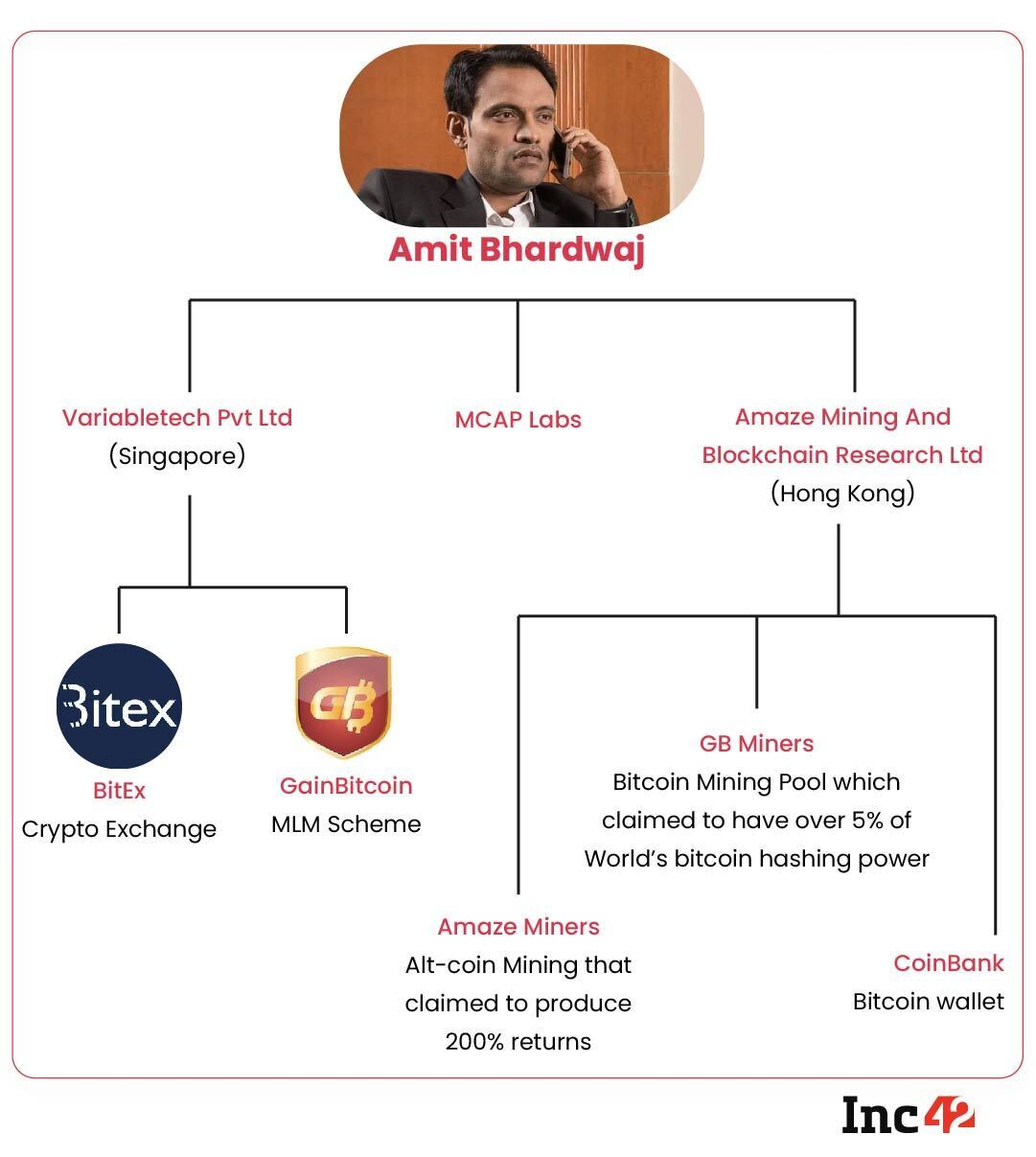
It was launched by Amit Bhardwaj, who promoted the platform as a cloud Bitcoin mining investment opportunity.
Investors were told they could purchase mining contracts and earn 10% monthly returns in Bitcoin for up to 18 months.

The promise spread quickly through seminars, online promotions, and a referral network.
Participants were encouraged to recruit new investors in exchange for commissions. This multi-level marketing structure fueled rapid growth across India, Southeast Asia, and parts of Europe and the Middle East.
Authorities later concluded the returns were unsustainable.
Investigators believe early payouts came largely from new investor deposits, a hallmark of Ponzi-style operations.
By 2017, the scheme began to unravel.
Instead of paying investors in Bitcoin, operators started issuing a cryptocurrency token called MCAP. Victims who expected Bitcoin rewards suddenly received tokens with limited liquidity and uncertain value.
Investigators say the token issuance helped delay the collapse by replacing owed Bitcoin with a newly created digital asset.
Authorities allege developers linked to Darwin Labs helped build parts of the system, including wallet infrastructure, the GainBitcoin platform, and the MCAP token contract.
The alleged mastermind Amit Bhardwaj was arrested in 2018 but later released on bail.
His death from cardiac arrest in 2022 complicated the prosecution. He was considered the central architect of the scheme.
Authorities estimate the fraud affected thousands of investors and involved roughly ₹6,600 crore ($800 million).
Several promoters and associates have been arrested over the years. Investigators say at least eight people have been detained across different phases of the probe.
However, the case remains complex.
Funds moved through cryptocurrency wallets, foreign exchanges, and international networks. Authorities have conducted raids across dozens of locations while tracing digital evidence.
Investigators say Varshney’s alleged role was largely technical.
He co-founded Darwin Labs, a firm that authorities believe helped build key systems used by GainBitcoin. As the investigation progressed, officials began examining the developers behind the platform.
Authorities say Varshney was not previously detained but remained under investigation. The lookout notice issued against him suggests investigators feared he might leave the country.
His attempted departure triggered the arrest.
If convicted under India’s fraud and criminal conspiracy laws, Varshney could face several years in prison, potentially up to a decade or more depending on the charges proven in court.
The post India Arrests Key Figure in $800 Million Bitcoin Scam After a Decade appeared first on BeInCrypto.





