Industry experts reveal how blockchain technology creates unprecedented financial access for overlooked communities around the world. Web3 solutions are already transforming how underbanked populations interact with money by removing traditional gatekeepers. Improved user experiences and basic infrastructure development remain crucial challenges to fully realize the potential of these permissionless financial systems.
From a builder’s perspective, I see the problem of bridging the digital and financial divide less as a philosophical problem, and more as an infrastructure problem we can solve by focusing on product building. The fundamental product design problem at play here today is that traditional finance is both too expensive and too permissioned to serve billions of unbanked people around the world. Web3, and more specifically DeFi, presents the first workable architecture to solve this problem.
The primary source of value is through permissionless access and extreme cost reduction. With just a smartphone and internet connection, you can gain access to a global, 24/7 financial system — no bank account or credit check required. You don’t need to go to a bank branch or use a bank-operated ATM. You simply open a wallet app, and you already escape the system’s inherent inaccessibility. However, the number one real-world barrier at the moment is what we call the Usability Gap. As it stands today, the pain of managing private keys, the friction of multi-chain usage, and the safety concerns around smart contract risks create a threshold for entry that is just too high. For the industry to cross the chasm from future potential to a reality today, we need to prioritize building operating systems that have the extreme reliability of financial-grade software but also the ease of use of the most consumer-friendly tools. In other words, we need to make decentralized finance an effortless utility. When we build intuitive interfaces and abstractions on top of DeFi that make interacting with it as simple as sending a text message, we will have made a reality of true economic empowerment for underserved communities across the world.

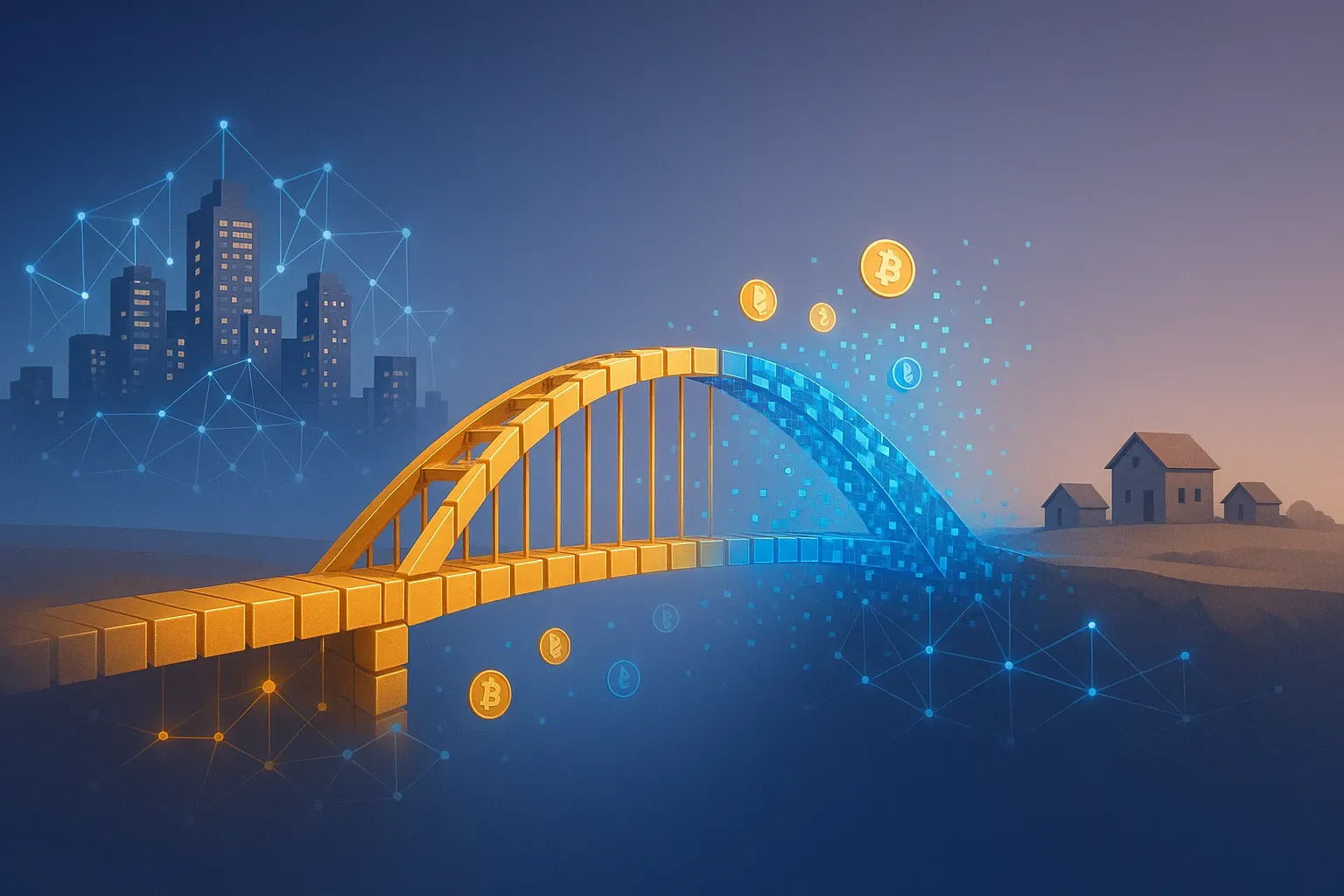
Web3 has real potential to level the playing field in finance, especially for communities that have long been overlooked by traditional systems. I’ve seen firsthand how difficult it can be for farmers, MSMEs, and everyday individuals to access basic financial services whether that’s a loan, investment capital, or even a secure place to store money. That gap is not always about the lack of creditworthiness. Often, it’s about the lack of access, trust, and visibility. This is one of the reasons I co-founded Initiate PH. We wanted to build a bridge using technology that goes beyond legacy systems, one that gives people a direct path to raise capital in ways that suit their needs.
Web3 could take that vision even further by removing even more intermediaries and putting real ownership into the hands of users. Imagine a rural entrepreneur being able to secure funding from a global network of micro-investors, or a disaster survivor receiving aid instantly without going through layers of red tape. While regulation and infrastructure still have to catch up, I believe Web3 can bring more transparency, speed, and inclusion into financial ecosystems. It will not solve every problem, but if implemented with care and accountability, it can change who gets to participate in the first place.

I’ve spent 17+ years bridging tech gaps for small businesses, and here’s what I see with Web3: the communities that need financial access most are still struggling with basic internet reliability and device access. In our Pocono and Lehigh Valley work, we donate refurbished computers to churches, schools, and limited-income areas because many people literally don’t have hardware to get online–Web3 wallets aren’t the barrier, basic connectivity is.
The decentralization promise sounds great until you realize that complexity creates new gatekeepers. We help local libraries apply for grants and set up learning centers because most folks need human support to steer even standard banking apps. Adding crypto wallets, seed phrases, and gas fees just multiplies the friction–I’ve watched business owners with decades of experience get locked out of their own systems over password resets.
What actually works is meeting people where they are. When we set up weather stations and cost-saving tools for libraries, we see immediate impact because the tech fits into existing workflows. If Web3 wants to serve underserved communities, it needs to solve problems those communities actually name–like remittance fees or loan access–with interfaces simple enough that our 1000+ volunteer hours could teach them in community centers without creating new dependencies on expensive support infrastructure.

Potential?
It’s already proving indispensable in many ways.
I hail from Nigeria, and before my business allowed me to travel and establish a financial presence in other countries, it was hard to do global business.
We would get demolished by fees when trying to remit our legitimately earned money, many payment processors outright refused to support us because of ‘risk,’ we had trouble accessing financial markets to invest, and the providers that would support us would charge 3%+ deposit fees, trade fees, and withdrawal fees.
It was a mess.
Web3 has made it possible for people in third-world countries to access solid financial instruments. For example, Nexo doesn’t discriminate against third-world countries and offers very attractive crypto products. Platforms like ByBit allow you to exchange large amounts of crypto to fiat and vice versa in minutes. You can then send it halfway across the world in seconds.
You simply can’t do that with a traditional bank.
You can store your money using stablecoins and hedge against local inflation without having to jump through the hoops that the central banks and financial institutions place on you.
While you can’t do certain things yet because it’s not mainstream (and it’s not mainstream because many governments are worried that their citizens will stop using the local currency), it has opened an entirely new world for underserved communities and that trend is only accelerating.
Based on what we see across Blockscout’s 3000+ blockchain explorers and our support tickets, underserved communities are adopting crypto for practical reasons. Incentives, airdrops, and accessible yields matter when every dollar counts. In addition to that, stablecoins offer access to less volatile currencies. Together, this lowers barriers and leads people to try more web3 financial tools, from basic transfers to saving and earning on chain.
At the same time, these same factors introduce risks and downsides for such communities. Many users rely on low-end phones and unstable internet, have limited context on crypto and self-custody, and are more vulnerable to scams and key loss. The path forward is better UX, simpler recovery options, clear and bite-sized education at the moment of action, and integrations with trusted payment solutions that would reduce the chance of being misled.

Web3 can narrow the gap, but only when paired with real-world rails. In a pilot I ran with a migrant group, stablecoin wallets cut remittance fees by half, and payout times fell from days to minutes. What worked was simple: start with dollar stablecoins, add cash-in and cash-out at trusted local shops, teach basic security, then layer in features like social recovery. Low-cost Android phones and SMS or USSD wallets helped people with spotty data plans. Clear rules of the road mattered too, like setting spending limits, using allowlists, and offering help in local languages. The takeaway for anyone building: prioritize stablecoins, offline-friendly wallets, agent networks, and hands-on education, and you will see real access gains without adding risk.

I’m a gastroenterologist who’s spent 25+ years treating patients in Houston, and here’s what I know about access barriers: they’re remarkably similar whether we’re talking about healthcare or financial services. In North Houston, I see patients who drive 40+ minutes because they can’t find specialists who accept their insurance or speak their language–it’s not that the healthcare system doesn’t exist, it’s that the on-ramps are broken.
Web3’s biggest promise for underserved communities isn’t the technology itself–it’s removing gatekeepers who decide who’s “worthy” of service. My wife and I work with several non-profits here in Houston, and the pattern is always the same: traditional systems require documentation, credit history, physical addresses that many people simply don’t have. If Web3 can verify identity and enable transactions without those traditional gatekeepers, that’s genuinely transformative.
The problem I see is adoption trust. When patients come to GastroDoxs with gut issues linked to stress and inflammation, I can’t just hand them a supplement list–I have to explain why their digestive system affects their brain, show them the science, and build trust over time. Web3 needs that same patient education approach, especially with communities that have been burned by predatory financial services before.
My concern is we’re building sophisticated solutions while people need basic access to reliable services NOW. I’d rather see blockchain used to create transparent, low-cost remittance systems that immigrant families can actually use today than wait for some perfect decentralized future that requires a tech degree to understand.