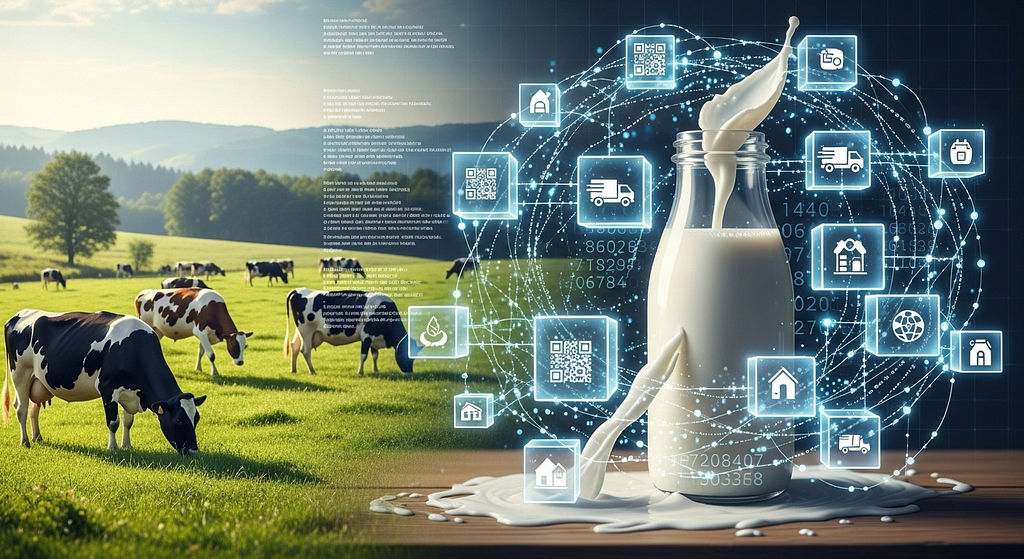
The dairy supply chain is a high-stakes operation where every step — from milking to delivering fresh products — demands precision and trust. According to the Food and Agriculture Organization (FAO), global milk production reached 930 million metric tons in 2023, but inefficiencies and fraud cost the industry billions annually. With rising consumer demand for transparency, asset tokenization and dairy tokenization are stepping into the spotlight as game-changers.
Through blockchain-powered dairy tokenization, each batch of milk gets a digital identity that records its origin, processing details, storage conditions, and transportation history. This technology helps secure every drop, ensuring authenticity, quality, and efficiency across the entire supply chain.
Asset tokenization is the process of converting the rights or ownership of a real-world asset into a digital token on a blockchain. This token serves as an immutable record that can store and update critical data in real time.
In the dairy industry, asset tokenization means:
By using this technology, dairy companies can prove product authenticity instantly, reduce fraud risks, and improve compliance with food safety regulations.
Dairy tokenization applies asset tokenization principles specifically to milk and dairy products. Here’s how it works step-by-step:
This transparent system builds trust. In fact, 75% of global consumers say they’re more likely to buy from brands that provide verified sourcing information (Nielsen, 2022).
The dairy supply chain faces unique challenges:
Blockchain in supply chain management tackles these problems head-on. Immutable records prevent tampering, smart contracts automate payments, and real-time tracking ensures proper cold chain management.
The demand for blockchain in agriculture is booming. According to MarketsandMarkets, the global blockchain agriculture market will grow from $0.4 billion in 2023 to $4.2 billion by 2028, with dairy being a major sector. Early adopters, like Walmart China, already track dairy and other food products on blockchain, cutting recall times from days to seconds.
While promising, dairy tokenization has barriers:
The future of dairy blockchain is bright. Experts predict that by 2030, over 40% of global dairy exports will use tokenization for traceability. As technology costs fall and regulations catch up, tokenized milk may become the new standard, ensuring that every drop is as secure as it is fresh.
Final Word:
From preventing fraud to ensuring cold chain compliance, dairy tokenization is transforming the way we think about milk. By combining asset tokenization with blockchain, the industry is not just securing products — it’s securing consumer trust.
Securing Every Drop: Dairy Supply Chain Tokenization Explained was originally published in Coinmonks on Medium, where people are continuing the conversation by highlighting and responding to this story.