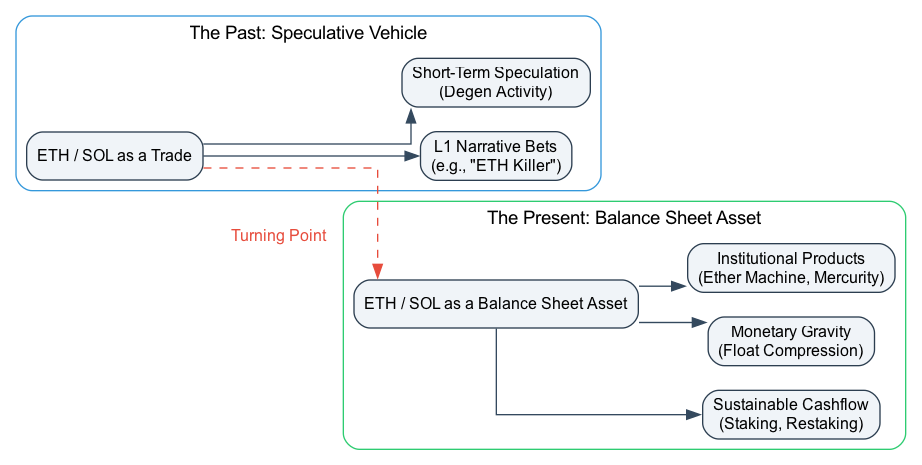
We’ve reached a turning point. ETH isn’t just a token to trade, a chain to build on, or a bet on decentralization anymore.
It’s being repackaged into productive capital — yield-bearing, governance-active, and treasury-grade.
That shift crystallized with the launch of Ether Machine, a $1.5B ETH-native capital structure built not to speculate, but to accumulate, manage, and monetize ETH. At the same time, Mercurity Fintech is doing something similar with SOL, converting Solana into an institutional balance sheet asset via staking and validator economics.
This is no longer about Layer 1 narratives.
This is about cashflow, float compression, and monetary gravity.
Ether Machine is a newly announced public ETH treasury structure with $1.5B in committed capital. It doesn’t trade altcoins. It doesn’t farm airdrops. It doesn’t issue a token (yet).
It does one thing: own and manage ETH at scale.
What that implies:
This isn’t some DAO yield farm or VC-anchored protocol.
It’s a professionally managed ETH balance sheet — transparent, capitalized, and institutionally palatable.
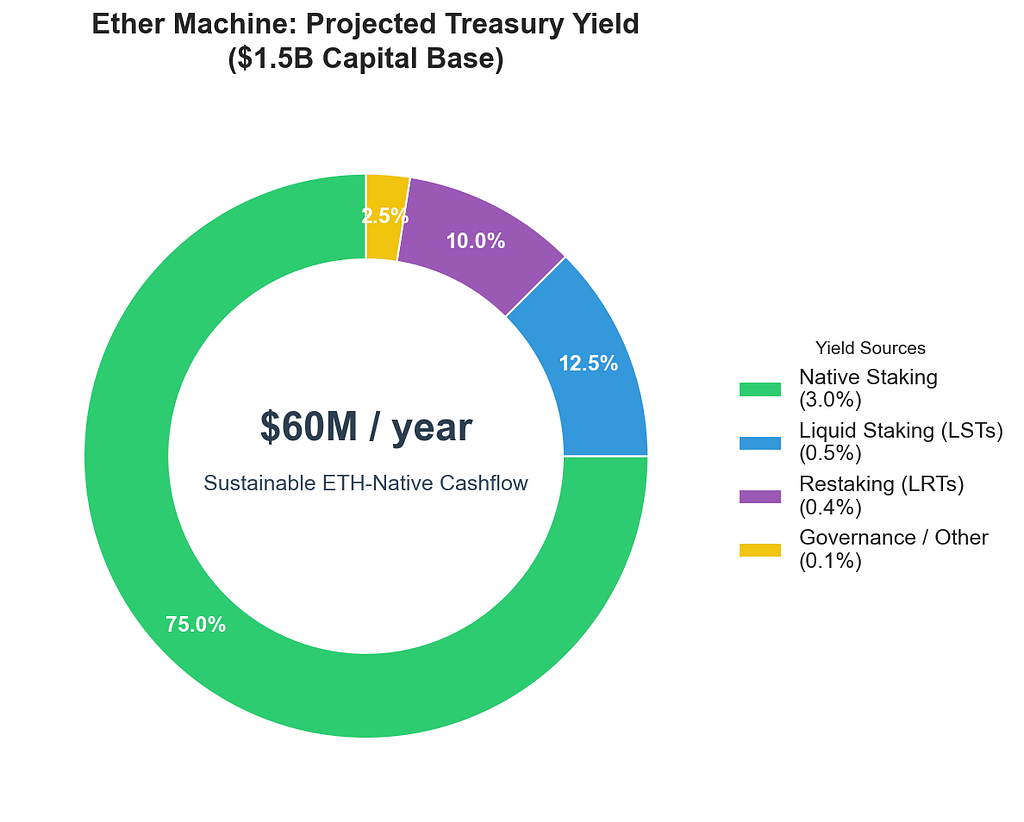
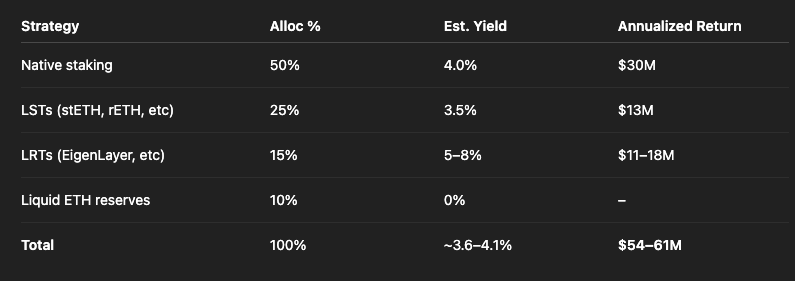
→ That’s $60M/year in sustainable ETH-native cashflow.
→ All while holding one asset. No leverage. No token exposure. No narrative risk.
While Ether Machine is building an ETH capital engine, Mercurity Fintech is assembling a similar system around SOL:
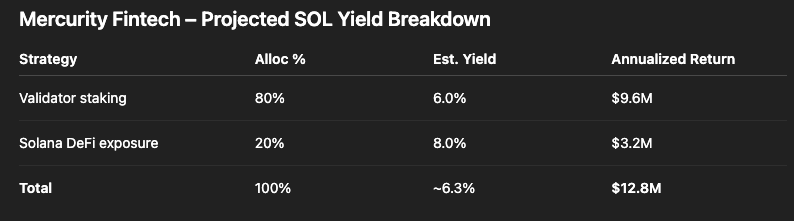
This isn’t a meme treasury or a Twitter pump — it’s an onchain institutional product And together, these two vehicles represent a new kind of crypto capital formation.

SBET was a meme trade — Mercurity and Ether Machine are capital structure.
This is ETH and SOL becoming financial primitives, the way BTC became digital gold.
They are not trades anymore.
They are capital you build balance sheets around.
ETH Isn’t a Trade Anymore. was originally published in Coinmonks on Medium, where people are continuing the conversation by highlighting and responding to this story.





