Japan’s largest e-commerce platform is bringing Ripple XRP into its payments stack on April 15, 2026, listing it on Rakuten Wallet for spot trading and wiring it into Rakuten Pay, the app that 44 million users already use to buy coffee, groceries, and bullet train tickets.
The headline number is large enough to matter.
The analytical question is harder: does XRP utility inside a closed loyalty ecosystem constitute retail adoption, or is this a product feature update that happens to use crypto infrastructure most users will never see?
Rakuten Points are not a crypto asset. They are a proprietary loyalty currency issued by Rakuten at a rate of roughly one point per yen spent across its ecosystem – shopping, travel, streaming, banking.
The company issued approximately 620 billion points in 2022 alone. The total outstanding balance exceeds 3 trillion points, worth around $23 billion USD at current exchange rates. That is a significant pool of locked consumer value.
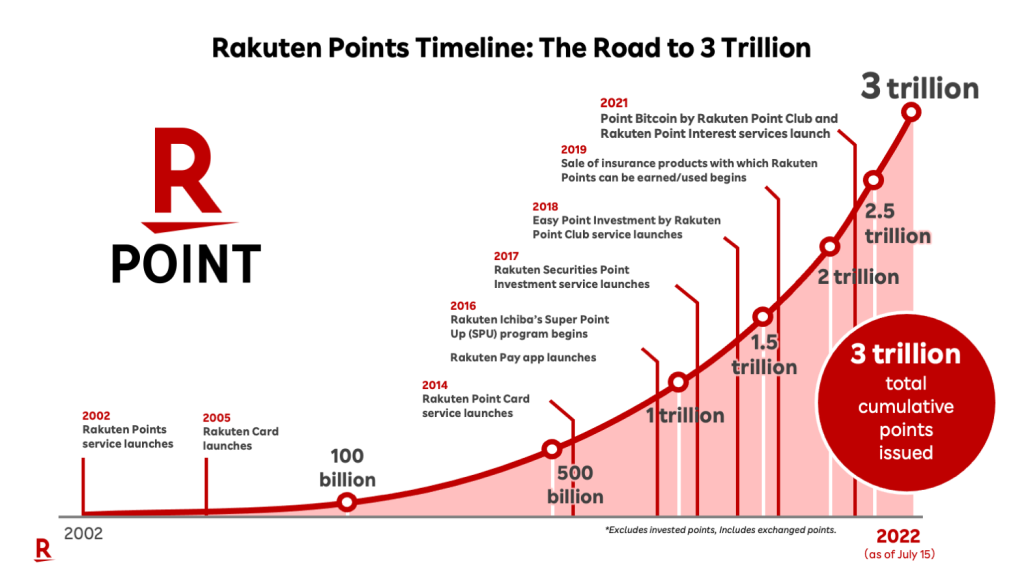
What the April 15 integration does is open a conversion path: users can take those points, convert them into XRP through Rakuten Wallet, and then load the resulting balance into Rakuten Cash, the platform’s e-money layer, for spending at over 5 million merchant locations.
The Rakuten Pay app handles the front end. Rakuten Wallet, an FSA-licensed and JVCEA-registered exchange, handles the crypto backend.
Here is the part that matters for how you read the adoption headline: merchants receive fiat. When a user pays with XRP-funded Rakuten Cash, the conversion to yen happens in the background.
The retailer has no Ripple XRP exposure. The user, in most cases, is interacting with a points-to-payment flow that happens to route through XRP infrastructure. That is not the same as 44 million people buying and holding XRP.
Japan’s regulatory architecture makes this structure possible. The FSA has established a clear legal classification for XRP as a cryptocurrency, distinct from a security, a framework that Japan’s evolving crypto regulatory environment has been building toward through successive Payment Services Act amendments.
Rakuten is not pioneering the regulatory path; it is walking one that SBI Holdings and others have already cleared.
Liquidchain (LQC) is one project drawing attention in this context, a Layer-3 execution environment designed to aggregate liquidity across Ethereum and its rollup ecosystem, with a technical architecture specifically targeting the throughput bottlenecks that Glamsterdam addresses at the base layer.
The presale has raised over $660K at a current token price of $0.0147, with staking rewards available to early participants.
The project’s core differentiator is its unified liquidity routing across fragmented L2 environments, a structural problem that grows in relevance as Ethereum’s rollup ecosystem expands post-Glamsterdam. Presale investments carry real risk, and this is an early-stage L3 infrastructure project with meaningful execution uncertainty. DYOR applies unconditionally.
Explore the Liquidchain presale here
The post Rakuten Expands Ripple XRP Utility for 44M Users: Mass Adoption or Incremental Update? appeared first on Cryptonews.





