Key Takeaways:
The long-awaited message that the United States crypto market is open for business just arrived after several years of confusion and a cold attitude towards the industry by regulators. Project Crypto had all the makings of a new era of digital finance when SEC Chair Paul Atkins revealed it in a landmark speech. Here’s what it means and why it could be the most important development in U.S. crypto history to date.
Read More: SEC Greenlights In-Kind Crypto ETF Transactions, Major Game Changer for Bitcoin & Ether Funds
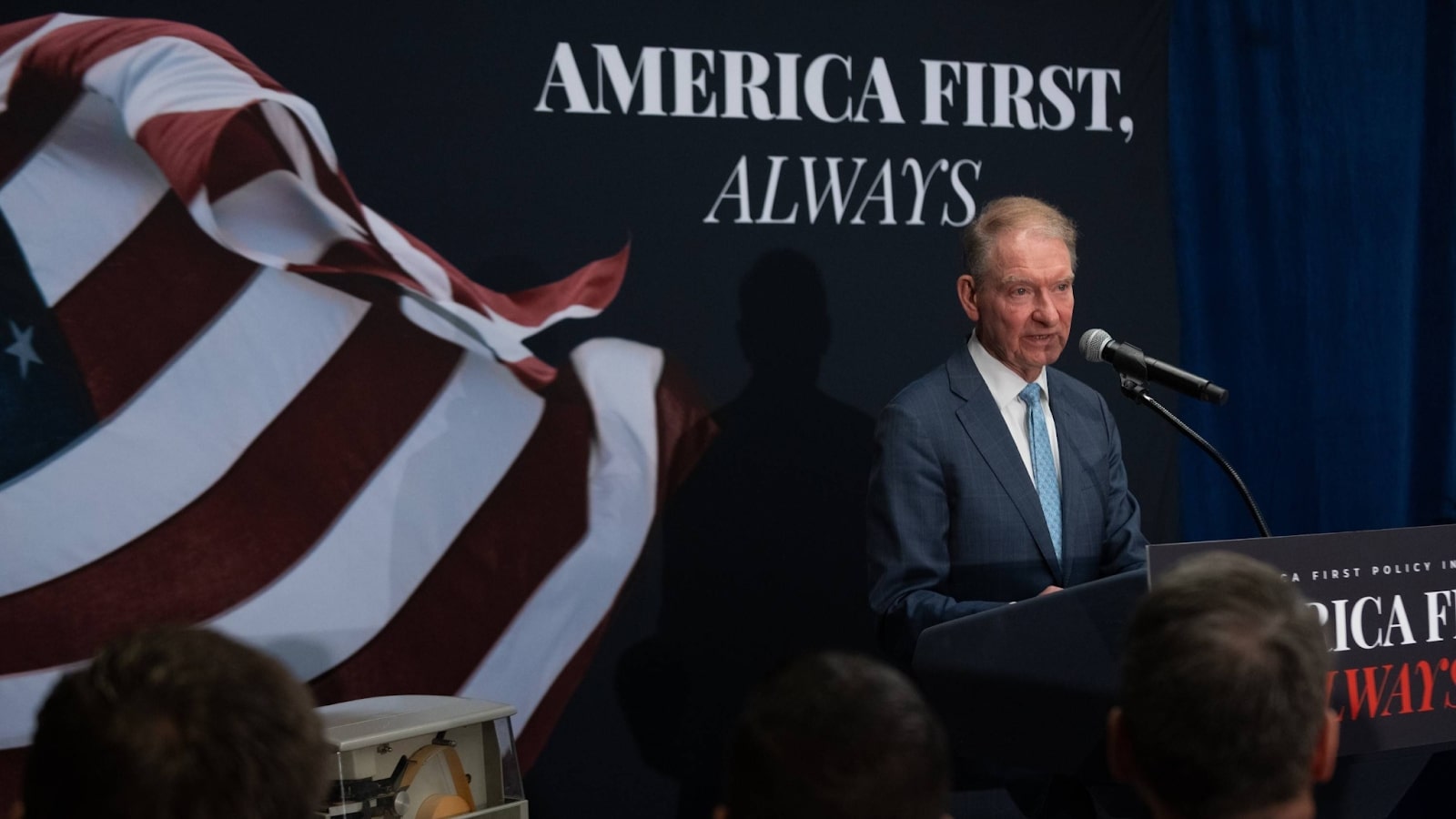
SEC Chair Paul Atkins made it clear in his August 1 speech at the America First Policy Institute: the U.S. is done playing defense on crypto. “Many of the Commission’s legacy rules do not make sense for on-chain markets,” Atkins said, launching Project Crypto with the goal of rebuilding the regulatory foundation from scratch one fit for blockchain-based finance.
Atkins directed SEC staff to begin rewriting existing frameworks to:
He positioned this as more than regulatory housekeeping. It’s a bid for U.S. dominance in crypto markets.
“We will make sure the next chapter of financial innovation is written right here in America.” Paul Atkins, SEC Chair
This announcement follows the release of a 160-page report by the President’s Working Group on Digital Assets, which backs Trump’s campaign pledge to make the U.S. “the crypto capital of the world.” Atkins’ plan will use that report as a blueprint for regulatory transformation.

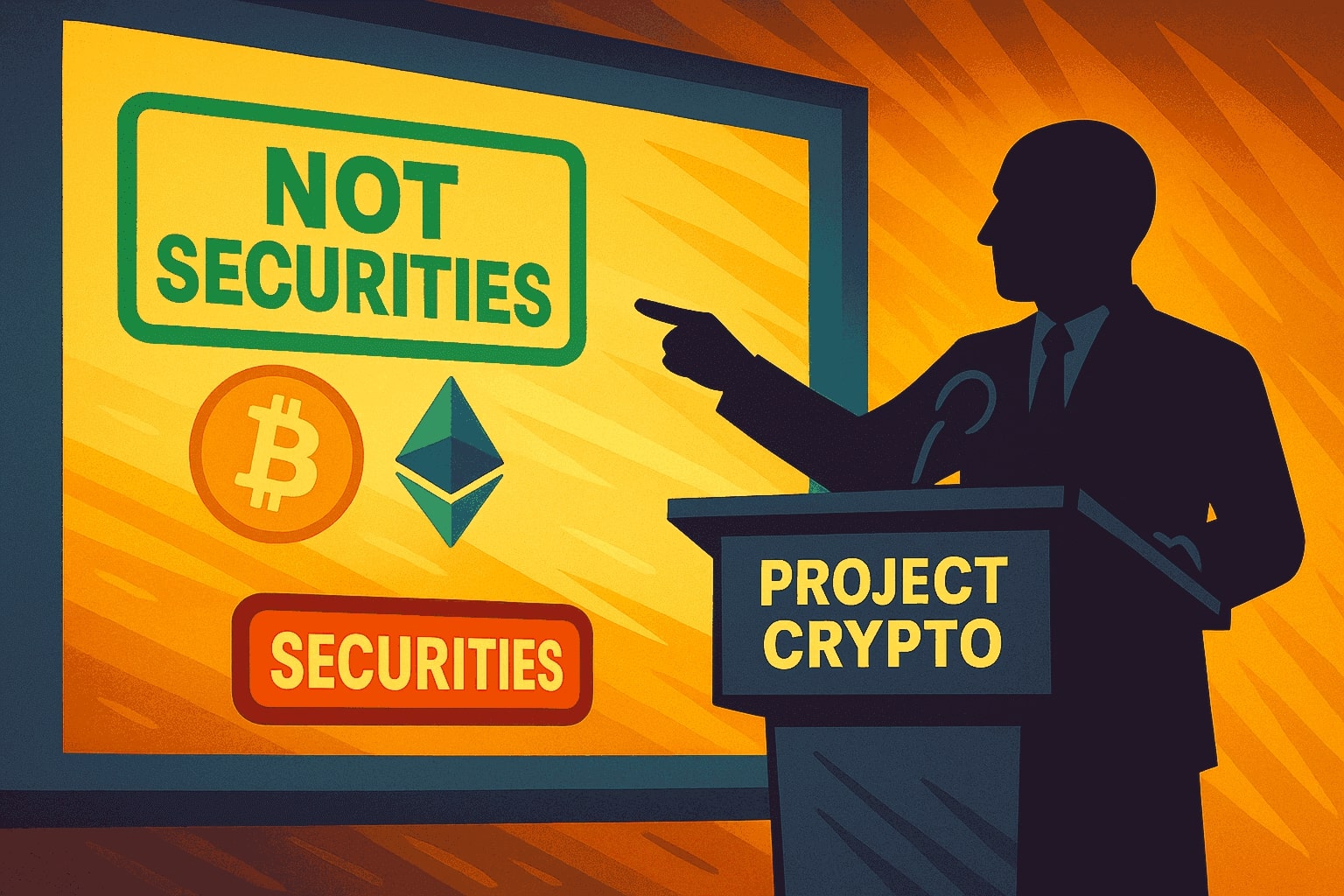
One of the most immediate effects of Project Crypto will be eliminating ambiguity around token classification, a major issue that’s paralyzed the industry for years.
Atkins diverged sharply from former SEC Chair Gary Gensler, who maintained that nearly all crypto assets were securities. That position led to dozens of lawsuits against major firms like Ripple, Coinbase, and Binance.
But under the new vision:
Atkins emphasized that founders shouldn’t be compelled to form DAOs or relocate simply to avoid regulatory risk. “Projects should not be forced to decentralize prematurely if it’s not part of their plan,” he stated.
This move is likely to reshape how early-stage projects launch, fundraise, and scale, potentially pulling billions in developer and investor capital back to U.S. soil.
Perhaps the most revolutionary element of Project Crypto is its endorsement of on-chain financial “super-apps.” These are platforms where users can:
Atkins proposed that the SEC grant single-entity licenses to firms offering multi-function platforms, reducing regulatory friction and spurring app innovation.
This paves the way for launches like Coinbase’s upcoming “Everything Exchange,” which is expected to integrate tokenized stocks, prediction markets, and derivatives all compliant under U.S. law.
If implemented, this approach could rival Asia’s leading fintech super-apps and firmly anchor DeFi inside the U.S. financial system.
While Project Crypto sets the tone for structural reform, macroeconomic headwinds continue to play a role. On July 30, the Federal Reserve left its benchmark interest rate unchanged at 4.25 – 4.5% a decision that, while anticipated, dims the near-term outlook for liquidity injections.
Yet, as analysts at The Motley Fool noted, crypto’s current bull phase may be less rate-sensitive than in previous cycles. Institutional adoption, network upgrades (like Ethereum’s Pectra update), and tokenization of real-world assets are creating durable demand that doesn’t rely solely on monetary policy.
Atkins’ approach could amplify these fundamentals by:
In short: even without rate cuts, the regulatory tailwinds alone could drive the next phase of crypto growth.
The post SEC’s ‘Project Crypto’ Could Unleash Trillions: Super-Apps, Token Clarity, and a U.S. Crypto Boom? appeared first on CryptoNinjas.





