Key Takeaways:
The Federal Reserve is bringing the crypto and traditional finance worlds together this week at its Payments Innovation Conference, aiming to redefine how money moves in the digital age. From stablecoins to tokenized assets and AI-powered payments, the event could mark a turning point for the intersection between central banking and decentralized finance (DeFi).
Read More: Fed’s Michelle Bowman Calls for Proactive Embrace of Crypto Innovation
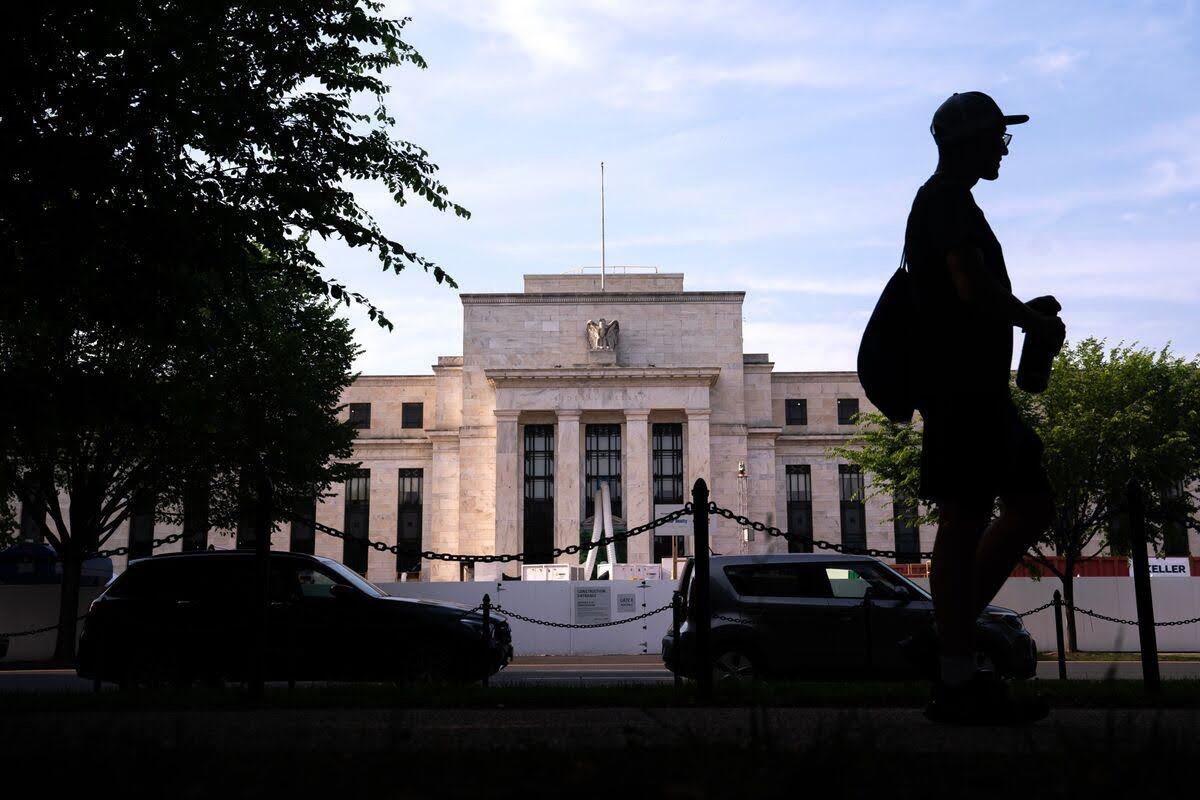
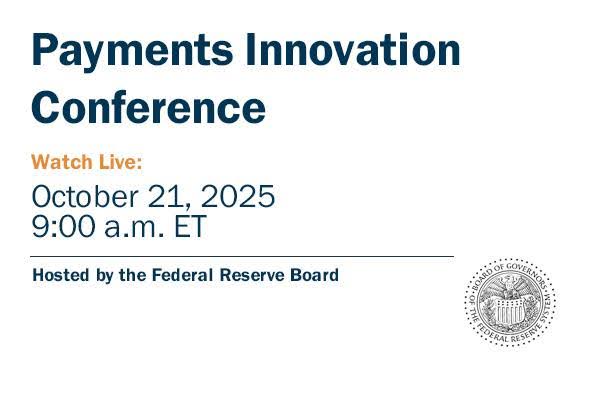
The one-day conference hosted in the Federal Reserve Board, Washington, D.C., on October 21, 2025, brings together prominent individuals in finance, fintech, and blockchain. The event, which is being livestreamed worldwide on federalreserve.gov and YouTube, begins with opening remarks by Governor Christopher J. Waller, who has been an open-minded person regarding financial innovation.
The involvement of Waller highlights the increasingly important realization by the Fed that digital assets and tokenized systems are no longer a fringe experiment, but they are transforming world markets. The list is a who-you-know-with list of Wall Street titans, and the crypto pioneers, reflecting the Fed trying to strike a balance between regulation and innovation.

The first panel, “Bridging Traditional Finance with the Digital Asset Ecosystem,” sets the tone. Moderated by Rebecca Rettig (Jito Labs), it features:
This panel is an indication of a radical change, where the Fed regards DeFi as no longer a threat, but an ally. The involvement of Chainlink is particularly symbolic; its system makes it possible to verify the data on chains, which is paramount to the integration of tokenized assets and real-world banking.
The second session explores the world of stablecoins that have increasingly risen to a market valuation of over $160 billion worldwide. The panel, moderated by Kyle Samani (Multicoin Capital), includes the star executives of the Paxos, Circle, Dolar App, and Fifth Third Bank.
The inclusion of Circle, the issuer of USDC, is particularly notable. As the U.S. Congress debates a stablecoin bill, the Fed’s willingness to host Circle’s president signals a new openness to regulated digital dollars as part of the broader payment system.
After lunch, the conversation turns to AI’s role in transforming payments. The panel lineup could rival any tech summit:
Read More: Coinbase Deepens India & Middle East Bet with Major Investment in CoinDCX
This discussion ventures further on the potential of AI-driven algorithms to take care of payments in the worst fraud detection scenario to real-time cross-border settlements. The engagement of Stripe is a move of practical direction towards the combination of machine learning and crypto payment rails, and the Web3 division at Google Cloud is already developing data services on decentralized systems.
The outlook of Cathie Wood is futuristic. She has been arguing since that the convergence of AI, blockchain, and decentralized finance would reduce the transaction costs in the world by more than $400 billion a year in 2030. Her being put on this panel by the Fed means that there is a readiness to examine such efficiencies in regulated systems.
The afternoon’s “Tokenized Products” session features executives from Franklin Templeton, DRW, BlackRock, and JPMorgan’s Kinexys division.
The post Fed’s $10T Payment Future: Circle, Coinbase, and Google Join Force appeared first on CryptoNinjas.





