
A pin bar candle is one of those patterns traders talk about a lot, but often without much precision. Used properly, it can offer clues about rejected price levels and shifting control between buyers and sellers. This article breaks down what a pin bar candle actually represents, how traders identify pin bars, and how traders can develop a pin bar trading strategy.
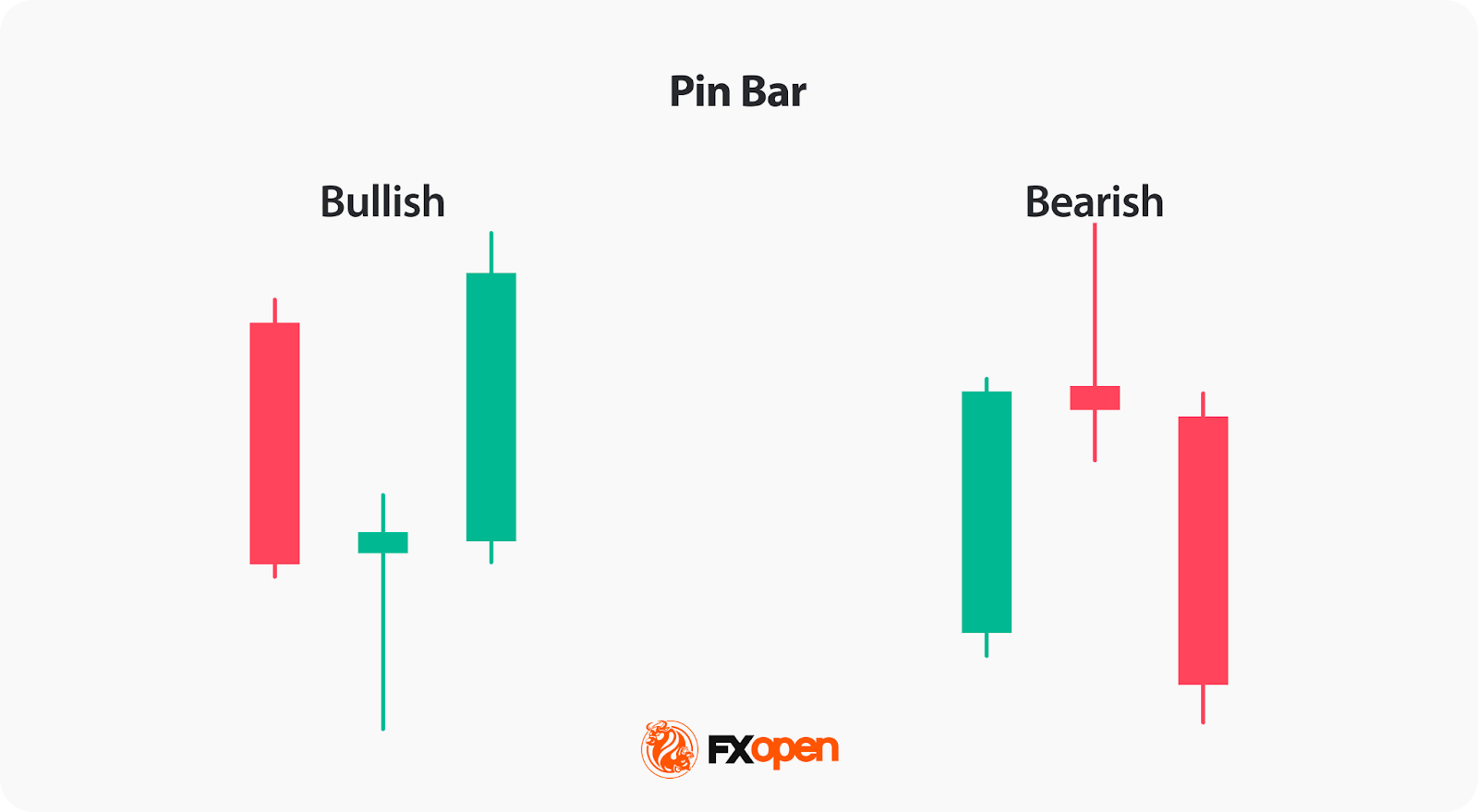
A pin bar is a reversal candlestick pattern that stands out on a chart due to its unique shape: a small real body with a long upper/lower wick.
There are two main types of pin bar candlestick: bullish and bearish:
When a pin bar appears on a chart, it reflects a tug-of-war between buyers and sellers that resulted in a significant price rejection. This rejection is captured by a key element, the long wick. According to Steve Nison's Japanese Candlestick Charting Techniques, this long wick is considered a failed price acceptance and instead marks rejection from a price level and a possible turning point.
While the pattern is believed to be reliable at support or resistance levels, it is considered especially important when it forms after a push beyond a key swing high or low. The appearance of a pin bar in these scenarios might indicate a failed breakout, where the market rejected a close above a significant high or low, and may lead to a strong reversal.
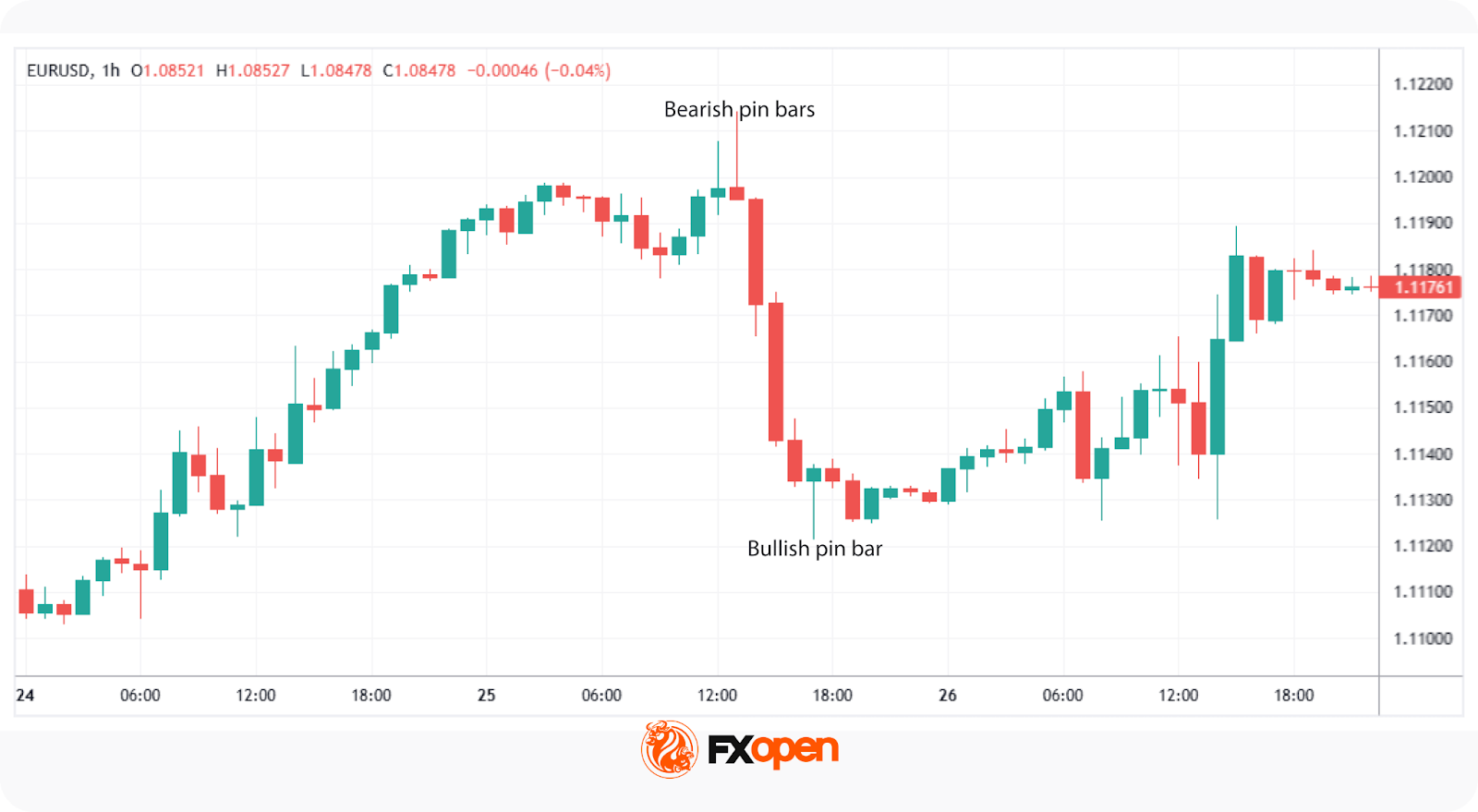
To spot a pin bar pattern, traders often look for:
If you’d like to try and identify the pattern for yourself, you can consider heading over to FXOpen’s TickTrader platform to explore real-time charts and trade in over 700 instruments.
Trading pin bars goes beyond simply recognising the pattern; it involves understanding how they fit into the broader market context. Here are some practical steps you may apply to a pin bar candlestick pattern strategy:
Not all patterns carry the same weight. According to the theory, traders should focus on those with a long wick that constitutes at least two-thirds of the candle's total length and a small real body. The longer the wick relative to recent candles, the more significant the price rejection might be.
Also, the overall size of the candle may boost its reliability. A pin bar that stands out compared to surrounding candles may indicate a significant shift in market sentiment. If it's too small relative to recent candles, it might be less reliable.
The timeframe you choose can impact the reliability of the formation. Higher timeframes like daily or weekly charts tend to produce more dependable signals because they encapsulate more data and reflect broader market sentiment.
While lower timeframes like 15-minute or hourly charts may offer more trades, they may also present more false signals. However, a pin bar on a higher timeframe can offer valuable insights into what may drive lower timeframe price movements.
Pin bars can be less reliable in choppy or sideways markets where price action lacks clear direction. In such environments, they may form frequently but without leading to significant price movements. According to the theory, traders should apply pin bar strategies in markets that exhibit clear trends or strong momentum, where price rejections are more meaningful.
Likewise, high volatility can lead to erratic market movements, increasing the likelihood of false signals. Paying attention to economic calendars and avoiding trading during major news releases may help in filtering out unreliable setups.
Beyond support and resistance, pin bars may be significant when they form at key psychological price levels, such as round numbers or significant historical price points. These levels often act as barriers where market participants have strong reactions; academic research in the Journal of International Financial Markets, Institutions and Money specifically highlights how round numbers attract attention and orders—the kind of conditions that may make a pin bar more significant. A pin bar at a psychological level can indicate a substantial price rejection, providing a potentially valuable signal for a trade setup.
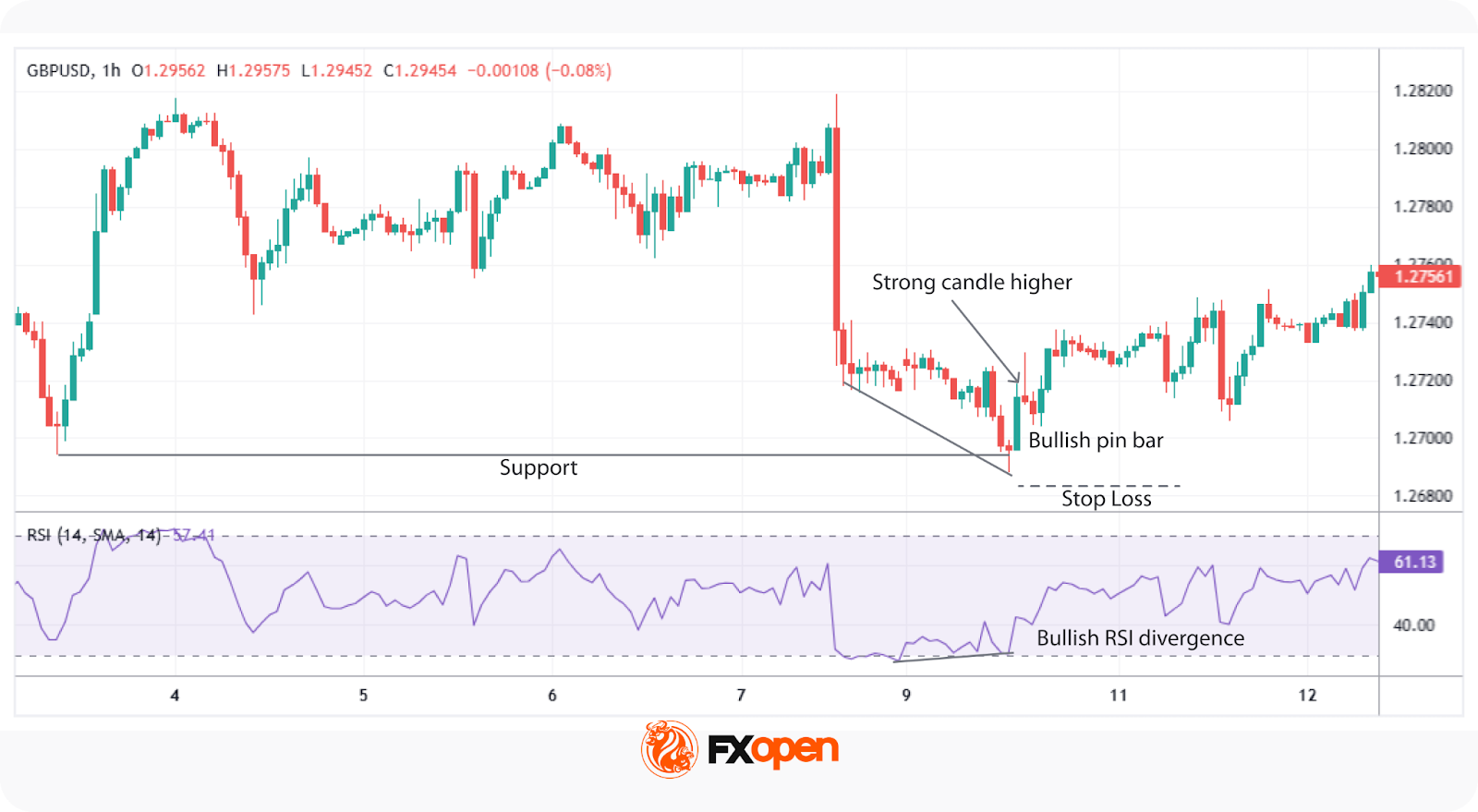
Pin bars can be a valuable component of a trader's analytical toolkit when used thoughtfully. Here are the specific steps traders might follow to use a pin bar strategy:
The first step is to scan the charts for candles that exhibit the classic shape—a small real body with a long wick that makes up at least two-thirds of the candle's total length.
Once a potential pattern is identified, traders assess its placement on the chart. A CFA Institute Research Foundation review describes support and resistance as price areas where buying or selling pressure is expected to develop strongly enough to reverse a trend, which is exactly the kind of context that makes a pin bar more meaningful than the candle shape on its own. However, trendlines, Fibonacci retracements, and even whether price breaches and closes back inside of these key levels can also provide key confluence. Ultimately, they’re only considered reliable when they occur in the opposite direction of a specific trend, such as a bearish pin bar candle during an established uptrend.
Traders often seek additional signals to validate the implications of a pin bar candle pattern. For instance, if the Relative Strength Index or Stochastic Oscillator indicates a market is overbought or shows a divergence, a bearish pin bar may be considered a stronger signal. Confirmation may boost confidence in the signals provided by the pattern.
These are the common entry and exit points of the pin bar strategy.
While pin bars can offer valuable insights, they also come with certain risks and limitations that traders should be aware of:
Understanding how pin bars differ from other candlestick patterns can support your technical analysis. Let's explore how they compare to hammers, shooting stars, and doji candles.
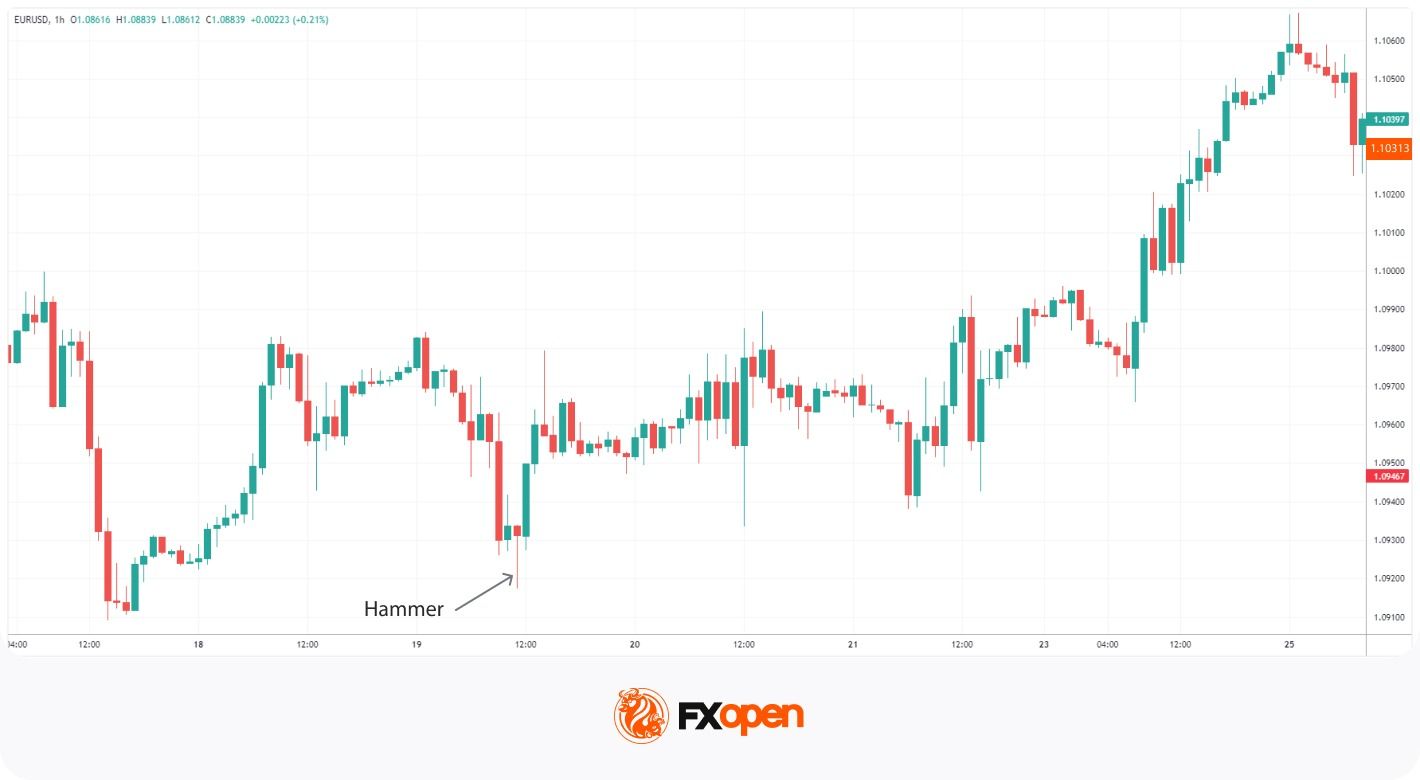
Hammers are essentially the same as bullish pin bars; they just have a different name. Both patterns feature a small real body with a long lower wick and little to no upper wick, appearing after a downtrend and signalling an upward reversal.
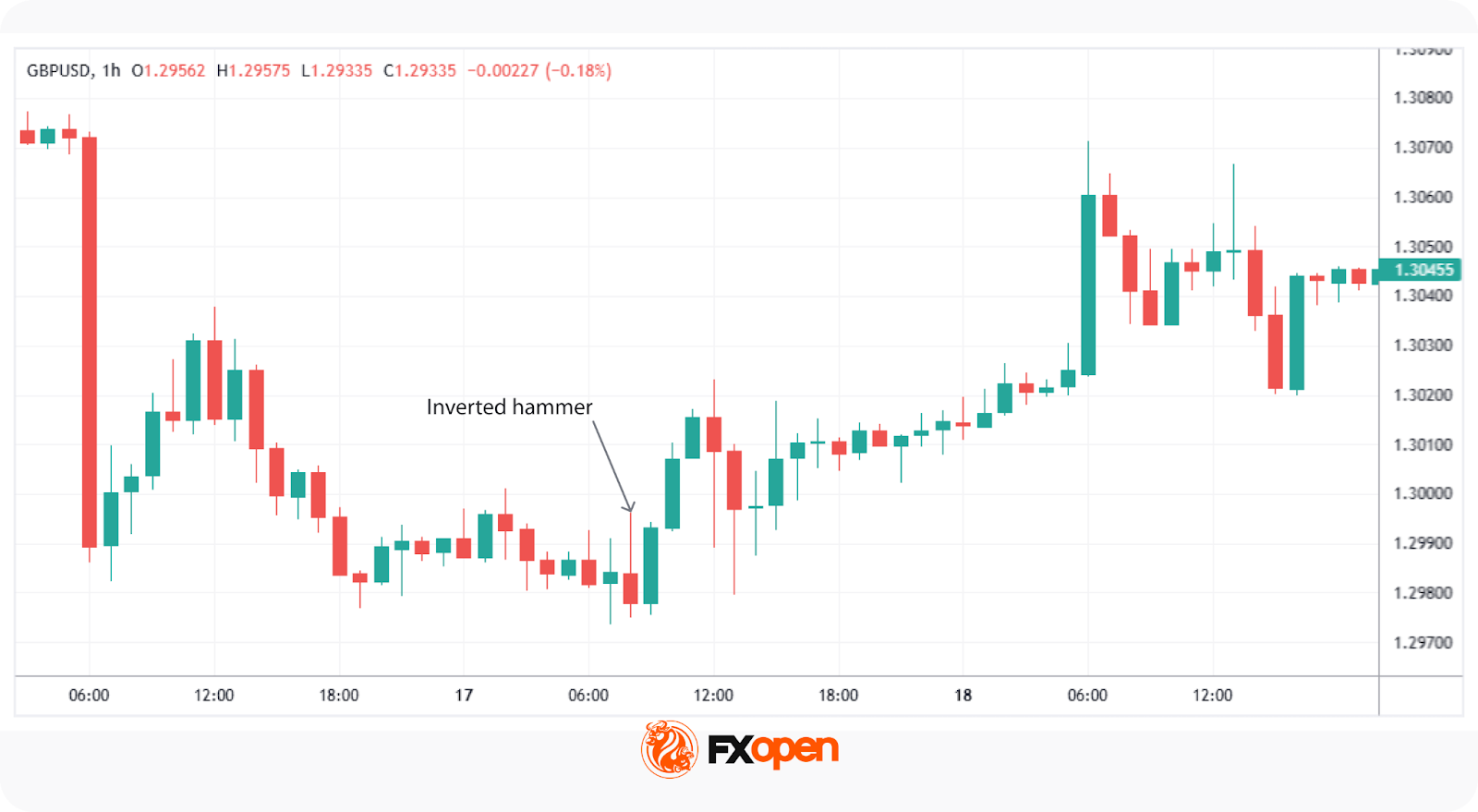
The inverted hammer differs from a pin bar in its context and implications. An inverted hammer has a tiny real body, a long upper wick, and little to no lower wick. It typically appears after a downtrend. While it resembles a bearish or red pin bar candle in shape, its position at the bottom of a downtrend signals that buyers attempted to push the price higher but couldn’t. Still, this pattern indicates a possible upward reversal due to emerging buying interest.
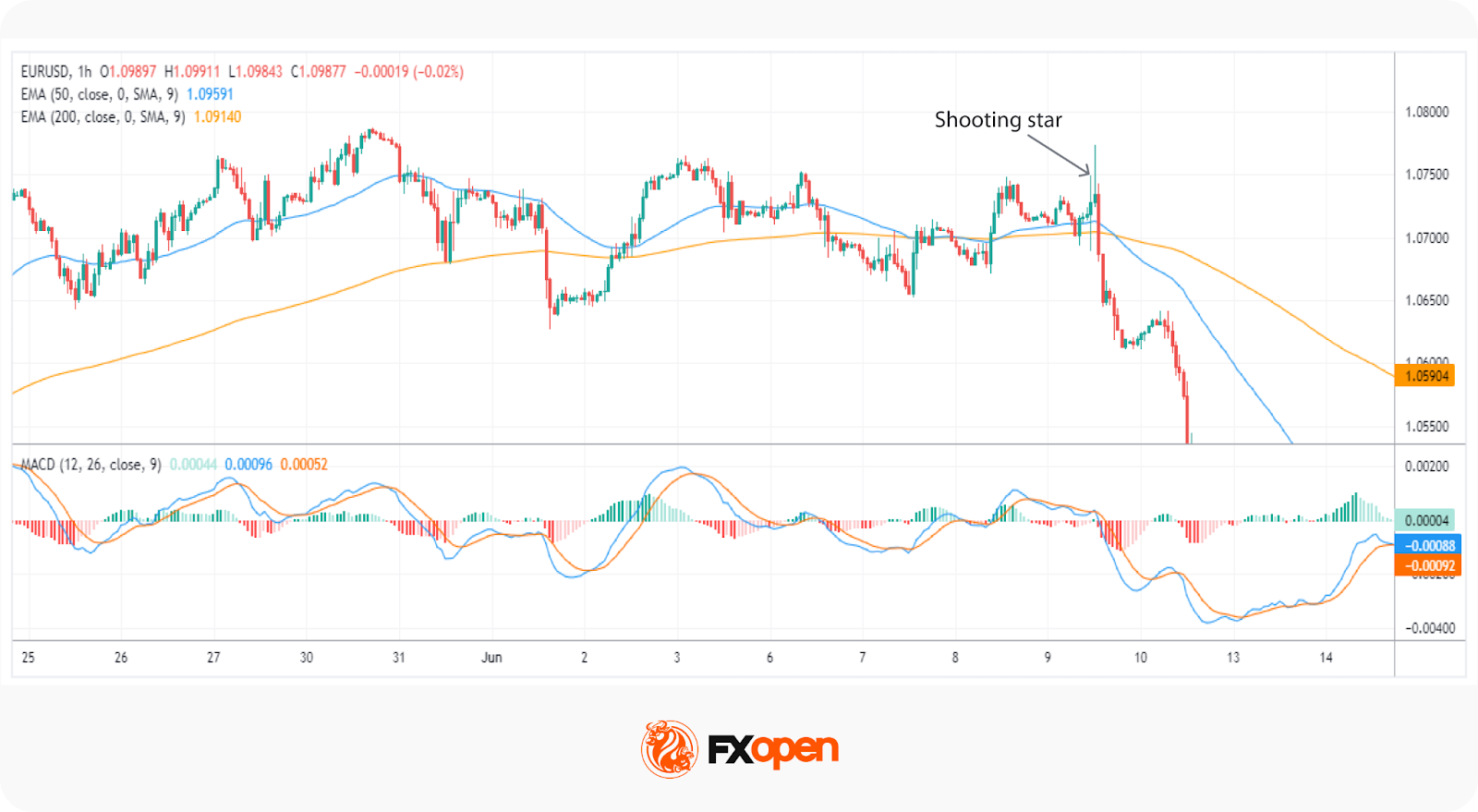
A shooting star is essentially a bearish pin bar. It appears after an uptrend and retains the same features: a small real body, a long upper wick, and a minimal lower wick. The long upper wick reflects the rejection of higher prices, potentially signalling a downward reversal.
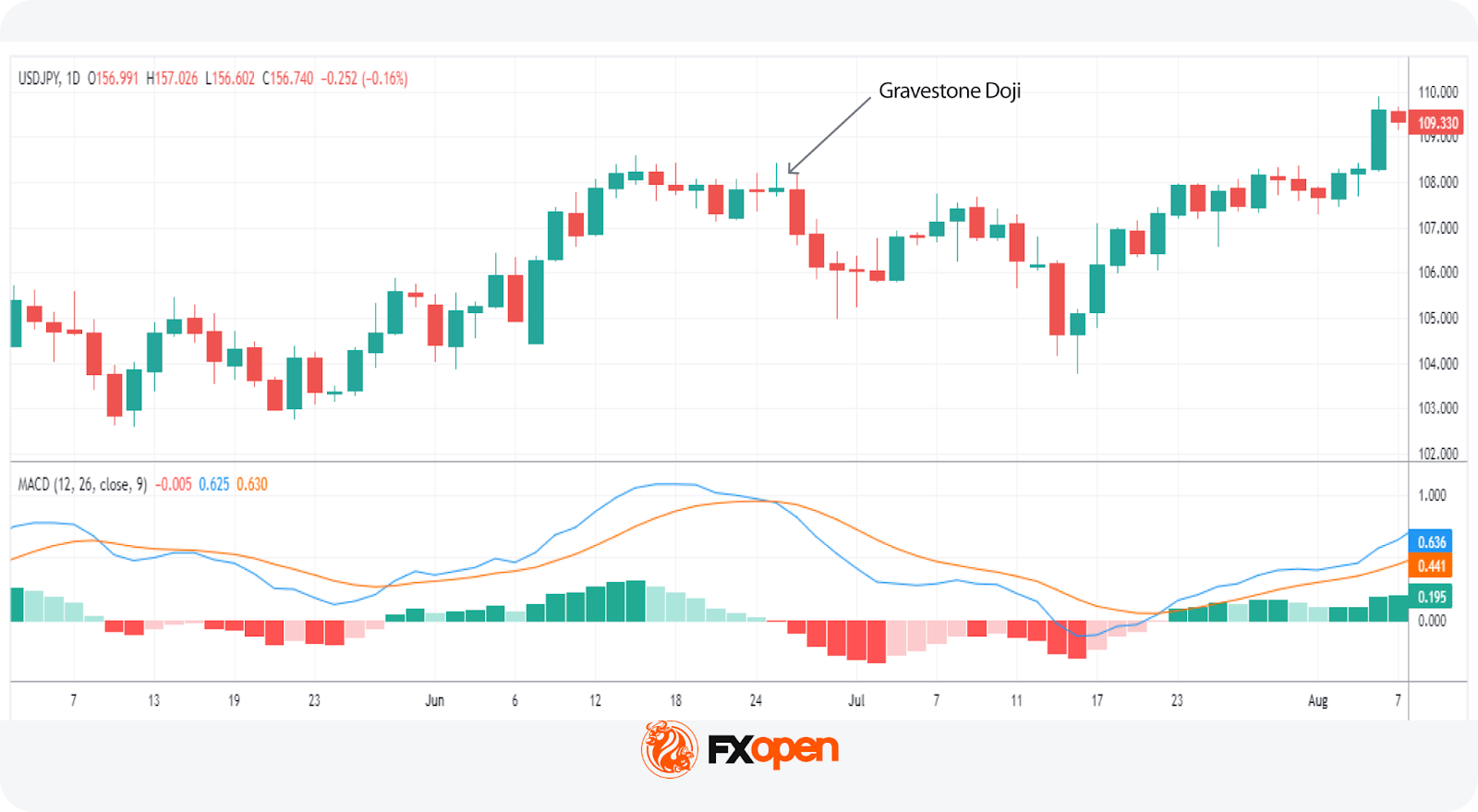
The pin bar, gravestone doji, and dragonfly doji are all candlestick patterns used to indicate potential reversals, but they differ in structure and context. The gravestone doji has a long upper wick and no lower shadow, with the open, high, and close at nearly the same level. This formation suggests that buyers pushed prices higher, but sellers ultimately took control, often indicating a bearish reversal at the top of an uptrend.
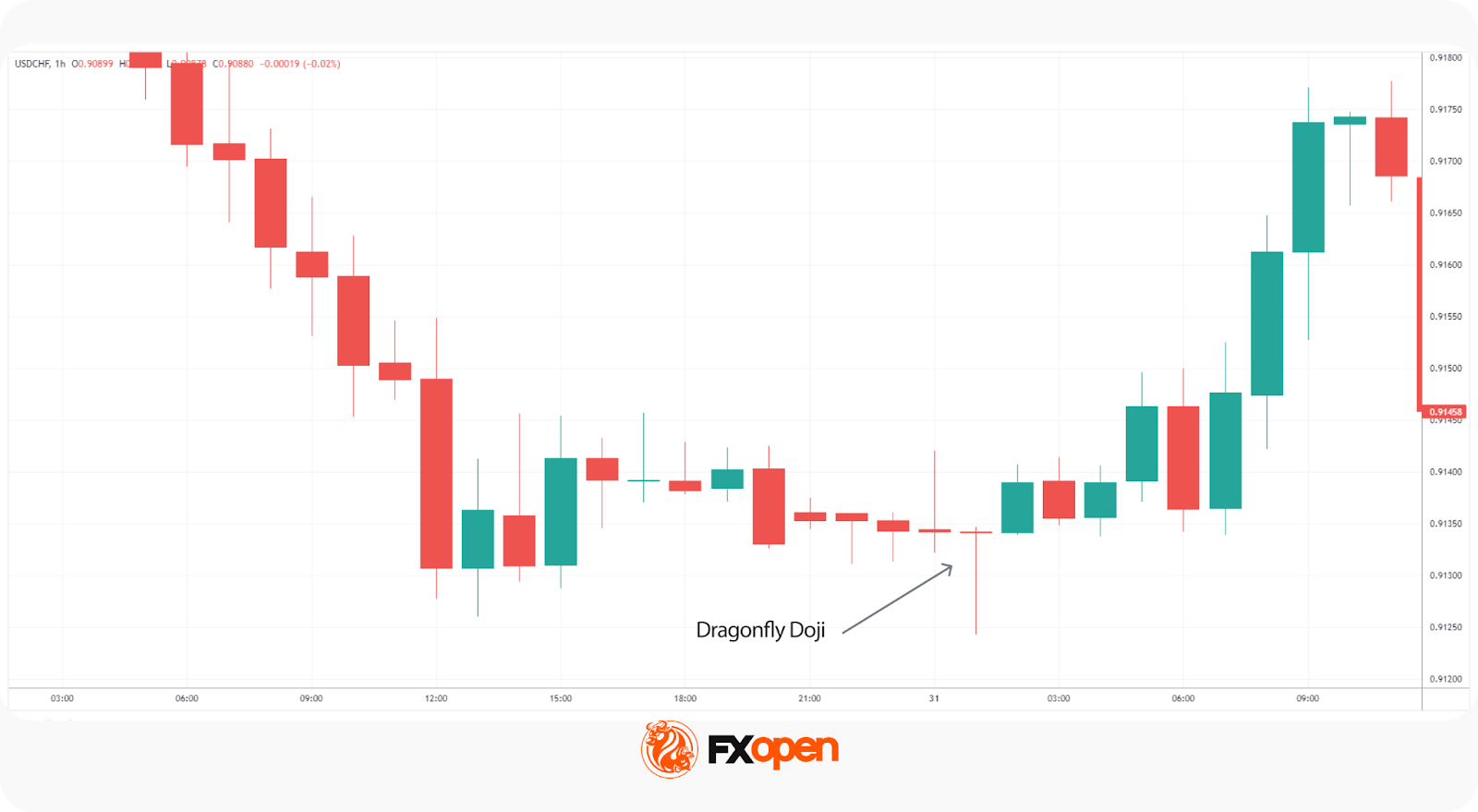
The dragonfly doji, on the other hand, has a long lower wick and no upper shadow, with the open, low, and close prices near each other. This pattern suggests that sellers initially drove prices down, but buyers regained control, often signalling a bullish reversal when found at the bottom of a downtrend.
Pin bar candles offer traders valuable insights into market sentiment. While incorporating pin bars into your strategy requires practice and careful attention to market conditions, they can serve as a supplementary signal when trading market reversals. Used consistently, they may help traders focus on areas where price has clearly been rejected rather than guessing turning points. When combined with structure, trend direction, and risk management, pin bars can form part of a disciplined, repeatable decision-making process.
If you're ready to apply these insights in live markets, you can consider opening an FXOpen account to access more than 700 instruments alongside tight spreads and low commissions (additional fees may apply).
A pin bar candlestick pattern signals a potential price reversal and features a small body with a long wick which is at least twice longer than the body. The long wick represents price rejection at a specific level, indicating a shift in market sentiment during that trading period. The pattern has two types: bearish and bullish.
A bullish pin bar pattern has a long lower wick, suggesting buyers regained control and a possible upward reversal. A bearish variation features a long upper wick, indicating sellers dominate and a potential downward movement.
To trade pin bars, traders identify them at key support or resistance levels, where they signal a potential reversal. For a bullish pin bar at support, they might consider entering a long position above the high of the bar, with a stop loss below the low. For a bearish pin bar at resistance, they might enter a short position below the low, placing a stop loss above the high. Confirmation from other technical indicators or trends may support the signals of the setup.
A hammer is a bullish pin bar candle with a long lower wick, appearing after a downtrend to signal a potential upward reversal. While a pin bar can be bullish or bearish, a hammer specifically refers to the bullish variant.





