Market fundamentals suggest that a new expansionary phase in the crypto market could emerge around 2026, even as short-term volatility continues. In recent cycles, projects with limited practical usage have gradually lost relevance, while platforms offering consistent real-world utility and financial infrastructure have remained part of broader market discussions.
Earlier market phases were often driven by speculative narratives and complex DeFi structures. In contrast, the current environment shows increasing interest in payment-focused finance models, often referred to as PayFi, which aim to combine blockchain efficiency with the reliability of traditional financial systems.
Within this shift, Digitap has emerged as an example of an omni-banking ecosystem designed to integrate digital assets and fiat currencies within a single interface. The platform combines blockchain settlement speeds with conventional payment functionality, allowing users to manage crypto and fiat balances through one dashboard.
With a live application available on iOS and Android, Digitap operates as a functional financial platform rather than a concept-stage product. Although $TAP remains in a presale phase, its banking-oriented utility places it in a different category from infrastructure-only networks such as Solana and Cardano, which primarily focus on protocol development rather than direct consumer banking use.
Digitap’s approach centers on delivering a usable product from the outset. The platform offers a functional banking application that supports the management of more than 100 digital assets alongside multiple fiat currencies.
Spending functionality is enabled through virtual and physical cards issued in partnership with Visa, allowing balances to be used at a wide range of merchant locations. This setup enables users to receive digital asset payments, hold value within the platform, and spend funds without relying on external exchanges for everyday transactions.
The introduction of Solana-native deposits has further expanded Digitap’s operational scope. Users can now fund accounts using SOL, USDC, and USDT directly from the Solana network, benefiting from relatively fast settlement times and low transaction costs. This integration connects Solana’s liquidity environment with Digitap’s consumer-facing payment tools, reinforcing the platform’s position within the broader PayFi trend.

As the next market cycle approaches, Solana continues to play a significant role as a high-throughput blockchain network. Trading near a major psychological price level, SOL remains widely used by developers and applications that prioritize speed and cost efficiency.
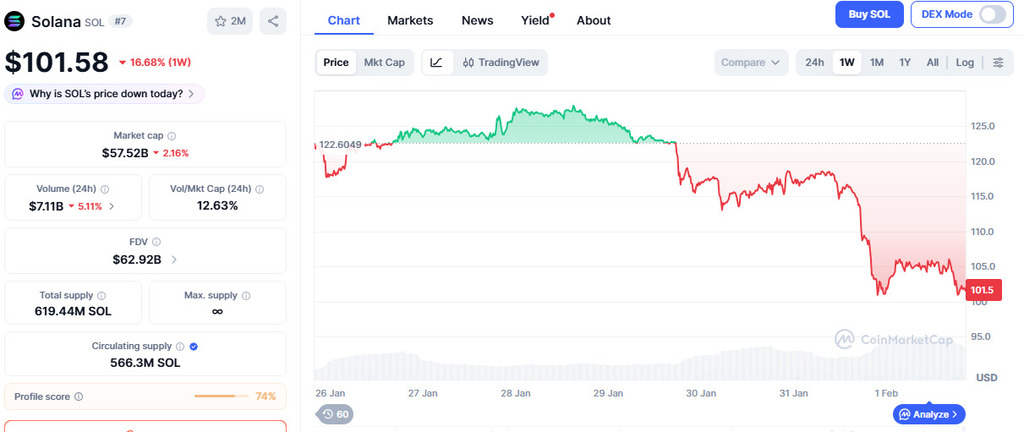
Analysts continue to monitor Solana’s longer-term trajectory, with some projecting gradual appreciation if network activity and application demand expand. However, as a base-layer protocol, SOL’s value remains closely tied to the success of applications built on top of it. Projects that utilize Solana for settlement or funding contribute to network demand, but user-facing adoption depends largely on those applications rather than the protocol itself.
Cardano remains a widely followed blockchain due to its research-driven development process and emphasis on formal verification. Trading near recent support levels, ADA continues to attract investors who prioritize security and long-term protocol resilience.
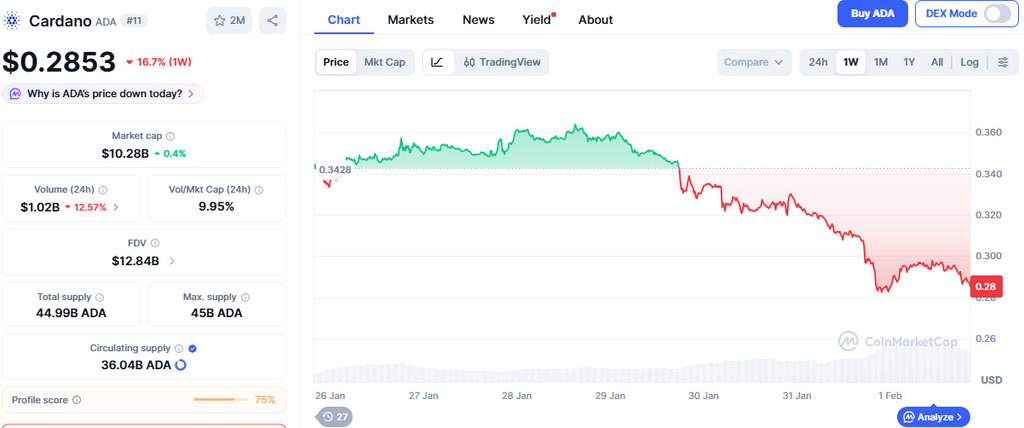
However, Cardano’s methodical development pace has limited the rollout of consumer-oriented applications. While its architecture appeals to institutions and developers focused on safety, broader retail adoption has progressed more slowly. Any future growth in ADA valuation is likely to depend on milestones related to interoperability, governance, or increased on-chain activity.
In contrast, Digitap emphasizes immediate usability by offering banking-style services that can be accessed directly by end users, positioning $TAP as an option tied to real-world transaction activity rather than future protocol upgrades.
From a comparative perspective, early-stage projects often require less capital inflow to achieve proportional price movement than established large-cap assets. Solana and Cardano would need substantial additional market capitalization to generate large multipliers.
By comparison, $TAP is currently priced at $0.0454, with a publicly stated listing price of $0.14. This gap reflects early-stage pricing rather than guaranteed outcomes. Digitap has raised over $4.8 million and distributed more than 210 million tokens to date, indicating measured participation rather than purely speculative interest.
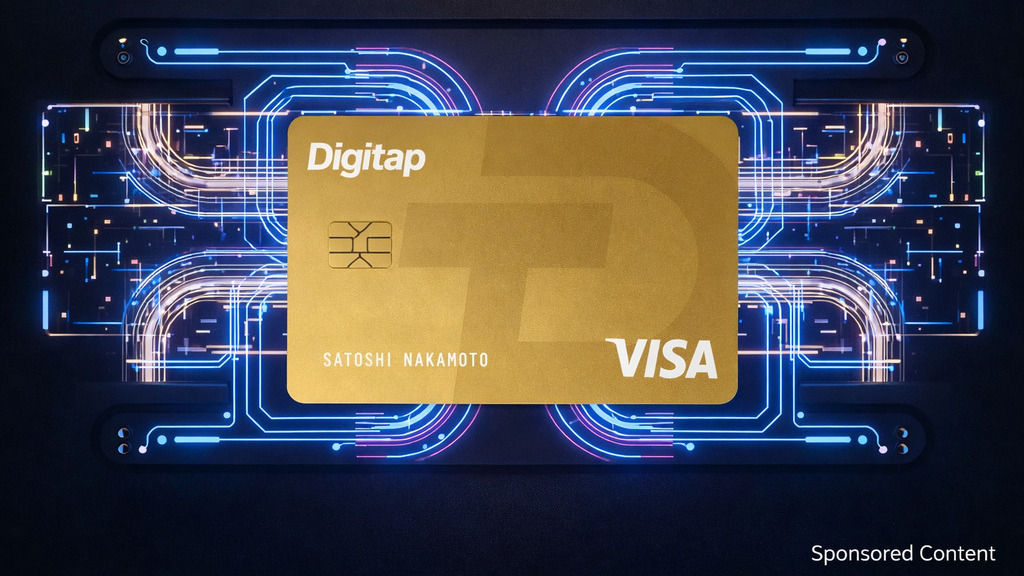
Demand for platforms that integrate digital assets into everyday financial use cases continues to grow, and projects offering functional payment tools are increasingly evaluated alongside infrastructure networks.
As the market evolves, adoption trends increasingly favor platforms that reduce friction between crypto and everyday finance. While networks like Solana and Cardano provide essential technical foundations, consumer-facing applications play a key role in expanding usage beyond developers and traders.
Digitap’s growing user base, reported at over 120,000 connected wallets, suggests demand for integrated banking solutions that combine crypto and fiat functionality. Partnerships with Visa and Solana contribute to its operational reach, positioning $TAP within discussions about practical adoption rather than protocol competition alone.
This article contains information about a cryptocurrency presale. Crypto Economy is not associated with the project. As with any initiative within the crypto ecosystem, we encourage users to do their own research before participating, carefully considering both the potential and the risks involved. This content is for informational purposes only and does not constitute investment advice.





