Global markets surged in a matter of minutes after President Trump announced a 5-day pause on military strikes against Iran’s energy infrastructure, claiming “productive talks” had taken place.
The reaction was immediate and aggressive:
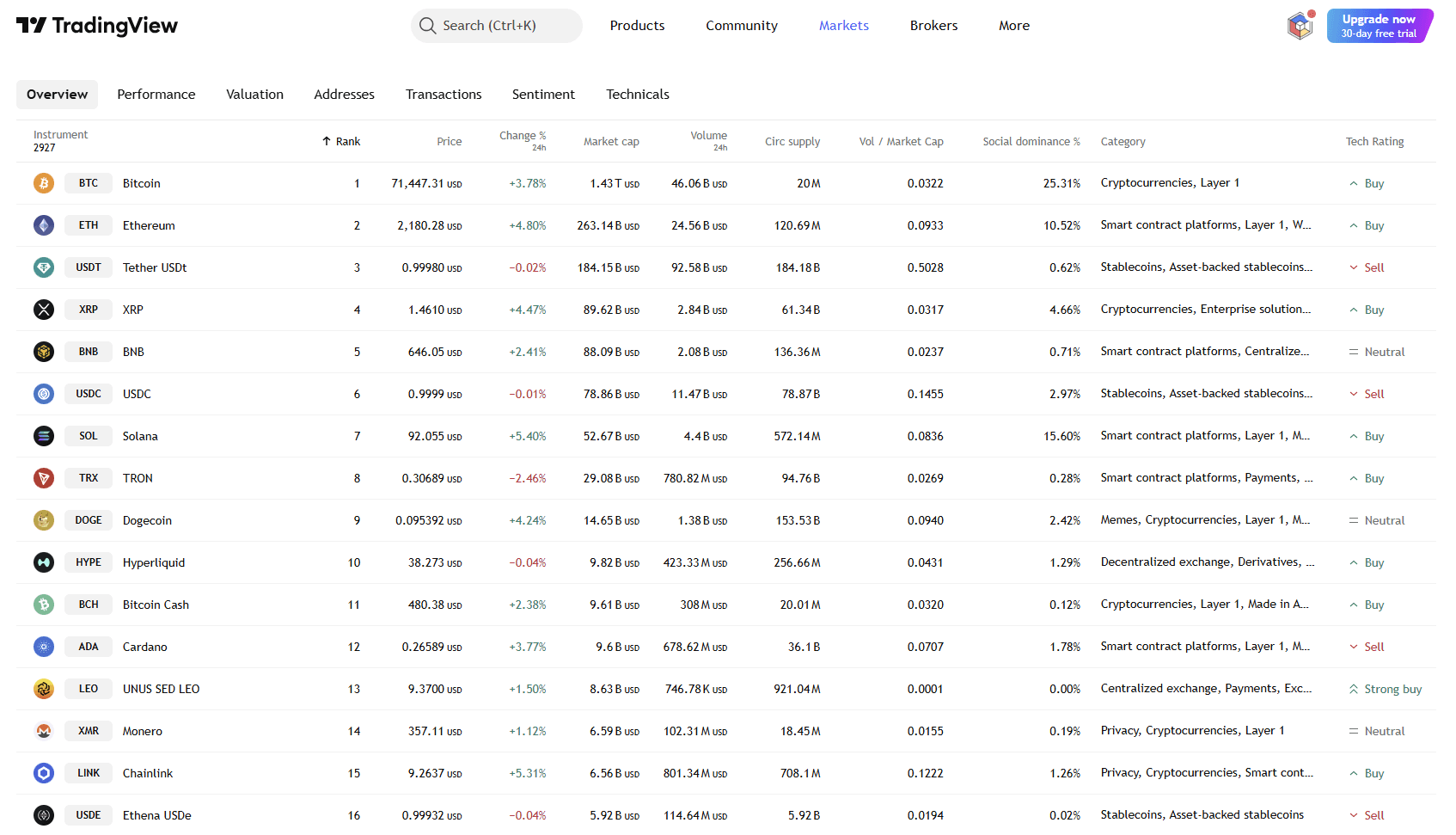
In total, some estimates suggest over $2.5 trillion was added across global markets in less than 20 minutes.
The move followed a classic macro playbook:
Even traditional safe havens reacted violently, with gold and silver experiencing one of their most volatile sessions in years, initially dropping before sharply rebounding.
This was a textbook shift into risk-on sentiment.
Shortly after the rally, Iran officially denied any direct or indirect talks with the United States.
Statements from Iran’s Foreign Ministry and state-linked media contradicted Trump’s claims, rejecting the idea that negotiations had taken place.
This creates a critical disconnect:
👉 Markets are rallying on a de-escalation narrative that may not exist.
Right now, the market appears to be pricing in:
But if those assumptions are incorrect, the implications are serious.
This isn’t the first time markets have reacted to headlines over confirmed developments, but the scale of this move is unusual.
👉 A single statement triggered nearly $1 trillion in equity inflows.
Bitcoin’s reaction is particularly interesting.
Unlike gold, which showed mixed signals, Bitcoin moved decisively higher—suggesting:
BTC is no longer just reacting to crypto-native news—it is now deeply integrated into global macro flows.
Everything now depends on one key factor:
👉 Is there actually a deal?
Markets just added $900 billion in value based on a narrative that is already being challenged.
That raises a critical question:
👉 Is this rally built on real progress—or on hope?
For now, markets are choosing optimism.
But if that optimism proves wrong, volatility could return just as fast as it disappeared.





