
Prediction markets are going mainstream. They were once a niche corner of crypto and academic forecasting, but the apps are now getting real traction thanks to better design, simplified trading, and by becoming part of pop culture: from South Park to NFL markets on Robinhood.
Unlike sportsbooks, prediction markets let users buy and sell “Yes” or “No” contracts on real-world events, basically like a stock market for future outcomes. The price of each contract reflects the collective belief that something will (or won’t) happen.
This article breaks down the best prediction market apps of 2025, from traditional platforms like Kalshi to blockchain-based tools like Polymarket. We’ll explain how they work, where they’re legal, and which app is best for your goals.
Prediction market apps let you trade contracts on future events. Each market asks a simple question: “Will X happen by Y date?”
You buy a YES or NO contract. The price reflects probability: a YES contract priced at 34¢ implies a 34% chance of that outcome. If you’re right, you get $1. If you’re wrong, you get $0.
The magic is in the market. Prices move up and down as users trade. Unlike sportsbooks (which lock in odds when you place a bet), prediction markets are dynamic and crowd-driven, like a stock exchange.
Example:
Best Prediction Market Apps: 2025 Rankings
| App | Best For | Bonus | Payout Speed | Fees | Notable Feature |
| Kalshi | Overall Experience | $10 Bonus | 4 Days | Low | Predictive Insights Tool |
| Polymarket | Crypto-native Prediction | None | 24 Hours | Zero Fee | Runs on USDC via Polygon |
| Robinhood | Beginners & Stock Traders | $200 Stock | 24 Hours | $0.01 Fee | Familiar UI + NFL markets |
| Crypto.com | Altcoin Integration | $50 Crypto | 1 Hour | Low | 350+ tokens supported |
These platforms have different audiences. Kalshi is built for U.S. traders who want clean UX and reliable regulation. Polymarket is the king of crypto-native prediction: fast, cheap, and open to anyone with a wallet. Robinhood’s new entry is tailored for sports fans and investors used to app-based trading.
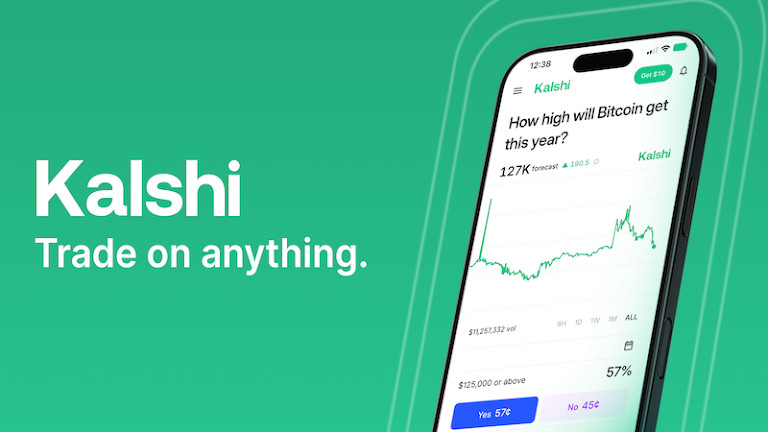
Kalshi is the only CFTC-regulated prediction market in the U.S., making it legal for Americans to trade real money on real-world events, from inflation rates to Taylor Swift ticket prices.
Use Case
Serious forecasters, hedge traders, political bettors
Key Features
Regulated, up to $25K per market, tight spreads
Example Markets
Kalshi combines Wall Street structure with Reddit-level events. It’s the go-to for anyone wanting to legally forecast U.S. economic, political, or societal outcomes, with real stakes.
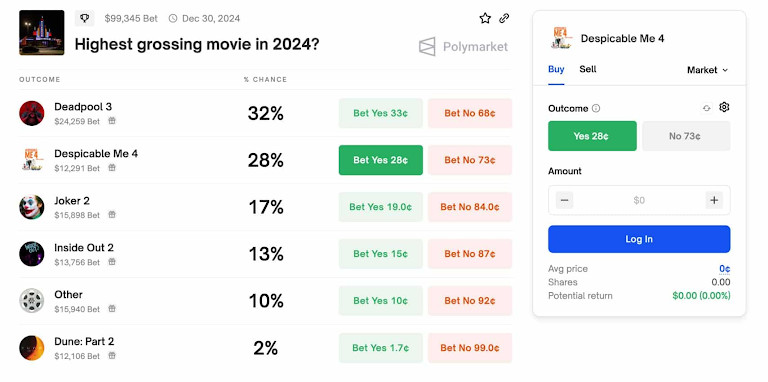
Polymarket is the largest on-chain prediction market, hosted on Polygon. It’s accessible globally and powered by USDC, letting anyone trade on real-world events with a DeFi twist.
Use Case
Crypto-savvy traders, DeFi fans
Key Features
Open liquidity pools, fast resolution, real-time trading
Example Markets
Polymarket shines in speed, flexibility, and market diversity. From U.S. elections to UFO disclosures, Polymarket is where meme culture meets serious forecasting.
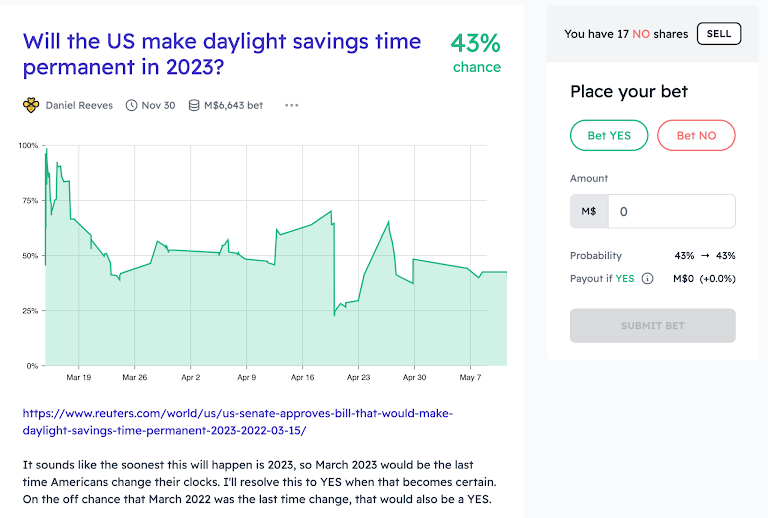
Manifold is a play-money market that rewards accuracy and insight, not profit. It uses “Mana,” a fake currency, but attracts real thinkers: researchers, founders, and EA-aligned communities.
Use Case
Community insight, social forecasting, academic thought
Key Features
Free, API support, question creation, creator markets
Example Markets
Great for testing ideas, gauging vibes, and building forecasting literacy. Manifold also fuels broader ecosystems like Metaculus and PredictionBook.
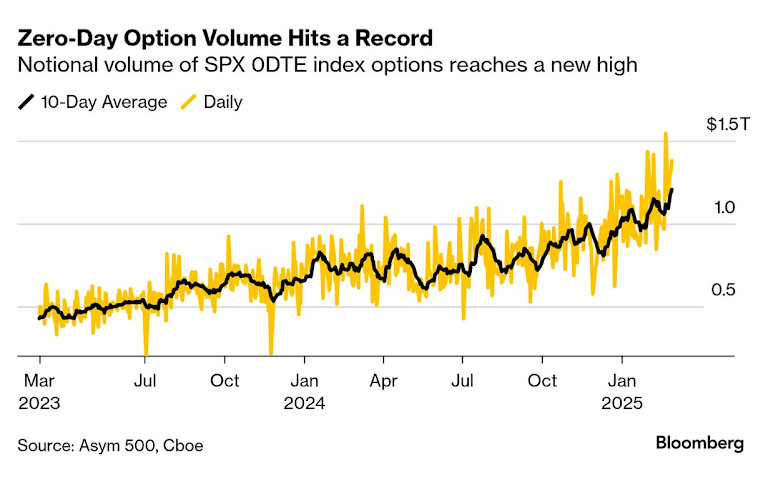
Robinhood’s zero-day options (0DTE) let users bet on daily market movements like a prediction market, just without calling it that.
Use Case
Day traders, degens, Wall Street retail
Key Features
Real-time options, intuitive UX, same-day expiry
Example Markets
While not branded as forecasting, Robinhood 0DTE offers some of the most liquid, high-stakes yes/no markets available, just in TradFi clothing.
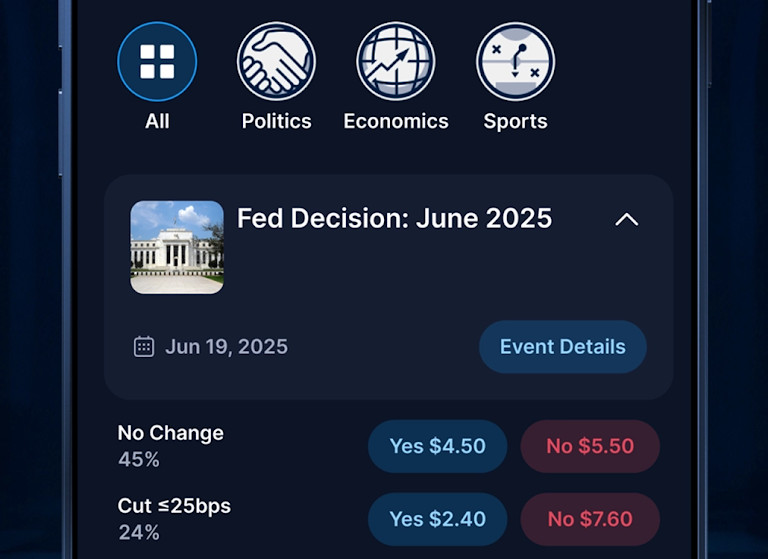
Crypto.com quietly added a “Predictions” tab where users bet on upcoming crypto outcomes. It’s simple, slick, and designed for mobile-first audiences.
Use Case
Beginners, casual crypto holders, sportsbook-style bettors
Key Features
Fixed odds, weekly events, bonuses
Example Markets
Perfect for onboarding newbies into prediction culture without throwing them into a DEX or options terminal.
Built on Solana, Hedgehog offers DeFi-native binary prediction trading, often with deep liquidity and under-the-radar institutional flows.
Use Case
Crypto traders, DeFi whales, Solana ecosystem
Key Features
On-chain transparency, leveraged positions, fast resolution
Example Markets
It’s fast, composable, and deeply embedded in the Solana landscape. More aggressive and customizable than Polymarket for power users.
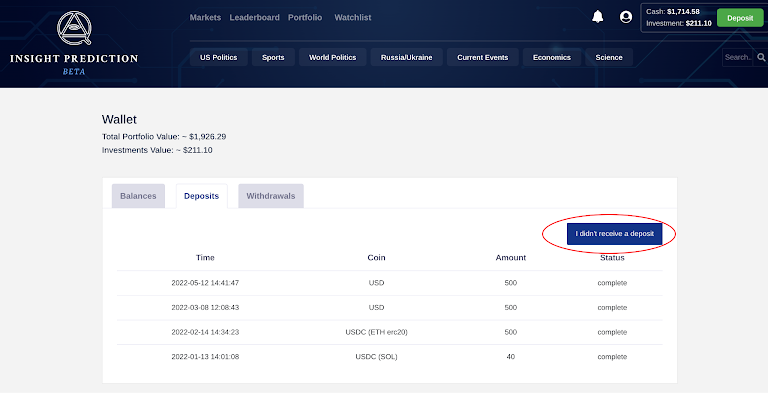
Insight is a hybrid: not fully DeFi, not TradFi. It offers cash-based prediction markets across global topics. Legal gray area, but growing fast.
Use Case
Politics followers, global bettors, risk-tolerant users
Key Features
Real money, global access, topic diversity
Example Markets
Less regulated than Kalshi, more real than Manifold, and often faster-moving on news.
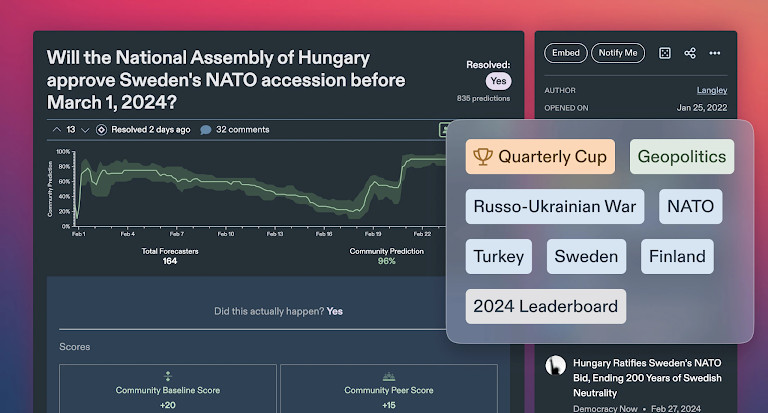
Metaculus is a quantitative forecasting platform often used by policy wonks, scientists, and EA thinkers to predict long-term global trends.
Use Case
Climate science, geopolitics, AI risk
Key Features
Calibration scoring, thousands of users, ensemble forecasts
Example Markets
It’s not for quick profits, but if you want the most robust collective foresight on existential topics, this is it.
If you’re just getting into prediction markets, the options can be overwhelming. Each platform is designed for a different type of user, whether you’re here to profit, to forecast, or just to explore.
Kalshi is the best choice if you’re in the U.S. and want to trade real money on regulated markets. It’s backed by the CFTC and offers high-quality markets on inflation, elections, interest rates, and more. If you want to treat prediction markets like a serious investment tool, start here.
Polymarket is ideal for crypto-savvy users who want fast markets on global events, from presidential debates to celebrity trials. It’s decentralized and fast-moving, with high volume and lots of meme energy. If you already use MetaMask or are deep in Web3, this one’s for you.
Manifold is the most fun and community-driven. You don’t bet real money (you use “Mana,” a play currency) but you still get access to thousands of clever, high-signal markets. It’s perfect for learning, experimenting, and seeing what the crowd really thinks about everything from politics to AI timelines.
Metaculus leans more academic. It’s built for long-term forecasting, things like “Will AGI arrive by 2030?” or “Will China invade Taiwan by 2027?” It scores you based on calibration and Brier accuracy, so if you’re here to build your forecasting skill (not just win bets), it’s a great place to grow.
Insight Prediction and Hedgehog serve the more experimental crowd. They let you bet real money (though often in legal gray zones) and offer more niche or edgy markets. Great for degens and power users, but less beginner-friendly.
Robinhood’s 0DTE options and apps like Kalshi’s mobile interface are also pushing prediction-style experiences into mainstream finance. You might already be participating in prediction-style thinking without realizing it.
Prediction markets are no longer just a curiosity. They’re becoming infrastructure for journalism, governance, trading, and even science.
In the coming years, we’ll likely see mainstream platforms like Bloomberg, The New York Times, or FiveThirtyEight integrating prediction market data alongside polls and expert opinions. Instead of quoting “70% of economists,” headlines might read: “Market puts 42% chance on Fed hike next month.”
We’re also entering a phase where governments may begin experimenting with markets as policy tools. Imagine allocating budgets based on forecast accuracy, or using decentralized signals to detect geopolitical risks faster than traditional intelligence.
On the tech side, the biggest innovation could be AI-assisted forecasting. Manifold already lets users auto-generate markets with GPT. Soon, large language models could summarize top markets, spot inconsistencies, or even generate high-signal questions the crowd hasn’t thought of yet.
Meanwhile, legal clarity is inching forward, especially in the U.S. where Kalshi’s fight with regulators is forcing a long-overdue conversation about what counts as a “contract of difference” versus a useful public tool.
The big takeaway: prediction markets are evolving from hobbyist side-projects into real-world signal engines. And in a world drowning in opinions, the ability to price truth might be one of the most valuable tools we build.
The post Top Prediction Market Platforms To Use In 2025 appeared first on Metaverse Post.