India crypto regulation 2026 just took another step forward. The Parliamentary Standing Committee on Finance will sit down with the Reserve Bank of India on July 2, 2026, to talk through how the country should handle virtual digital assets going forward.

Source: X Official
For millions of people holding cryptocurrencies in the country, this single meeting feels like a real shot at change.
After months of tax notices, account freezes, and tighter rules, any sign of movement from the government feels like progress.
In May 2026, the same committee held closed-door talks with major exchanges, including Binance, WazirX, and Coinbase, to hear how the rules were actually playing out on the ground.
Those sessions gave the committee a direct look at how exchanges handle compliance, taxes, and user activity day to day. Bhartruhari Mahtab chairs the panel, and this entire effort falls under a study called "Virtual Digital Assets (VDAs) and the Way Forward."
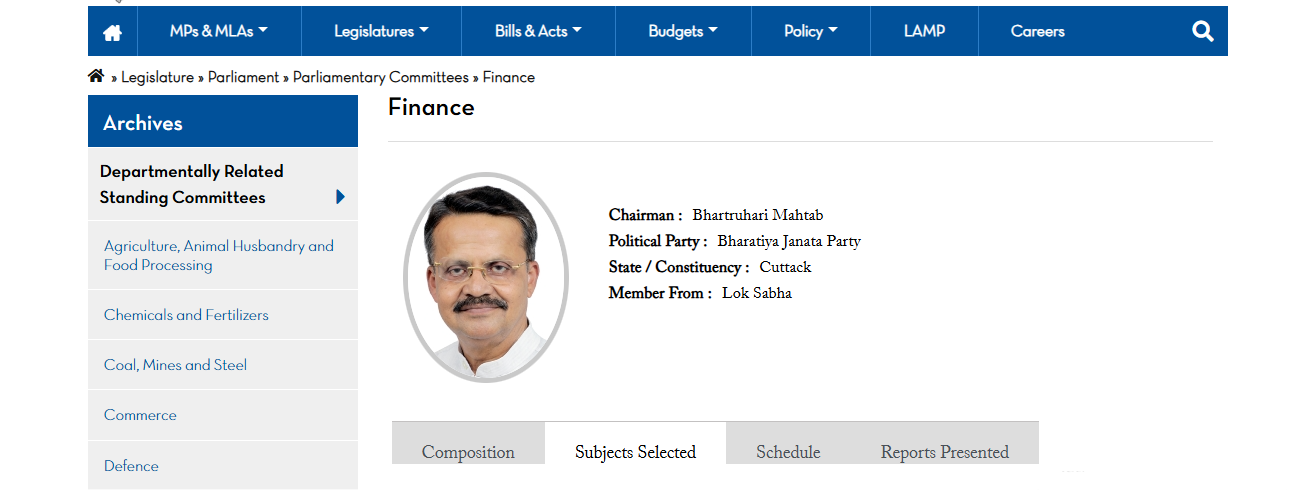
Source: PRS-India (Parliamentary Committees)
Bringing the RBI’s stance and perspective is significant. Exchanges gave their side in May, and the central bank gets to weigh in next, which puts both sides of the India crypto regulation debate on the same table for the first time in a while.
The pattern here points toward better oversight, not necessarily friendlier rules. Officials keep circling back to the same concerns: money laundering, capital outflows, and risks to financial stability.
At the same time, the RBI keeps pushing its own digital rupee as the safer alternative to private digital assets. That tension shapes most of what's happening right now, since the central bank wants control over money movement, while the broader cryptocurrency sector wants clearer, fairer treatment.
This isn't a story about banning crypto. It's a story about a government trying to build enough oversight to feel comfortable letting the sector grow without losing control of the money trail.
Recent Digital Assets Actions: Tax Notices, Raids, And OTC Limits
The last few months haven't been easy for traders. 44K tax notices have gone out to users with unreported gains, and enforcement teams have carried out raids tied to suspected laundering and tax evasion.
OTC trading has also come under tighter watch, with 3 major platforms being ordered to hand over the $10,000+ million (₹9.44 lakh) transactions data to the authorities.
On top of that, stricter KYC steps now require live selfies and geo-location data for higher-risk users.
30% flat tax remains on all cryptocurrency gains
1% TDS applies on transfers above set limits
20+ unregistered offshore exchanges got blocked in 2025-26
Progress here looks slow, but it isn't completely absent. Domestic exchanges like CoinDCX, WazirX, and ZebPay have stayed registered and compliant, giving users at least some safe, legal options to trade through.
Indian traders can freely withdraw their digital asset money into fiat, without violating any law.
User’s crypto-related cases have equal opportunities to be filed in the India courts and penal, in order to seek justice in any unfair act.
The July 2 meeting won't deliver final answers, but it keeps the conversation moving at a level that matters. If the committee pushes for clearer India crypto rules after hearing both exchanges and the RBI, Parliament could eventually see real recommendations take shape.
For now, the sector sits in a holding pattern, shaped by heavy tax rules, growing enforcement, and a government still deciding how much room private cryptocurrency gets next to its own digital rupee. The next real signal will come from what the committee recommends after this meeting, not from the meeting itself.
Disclaimer: This article is for informational purposes only and does not constitute financial or investment advice. Cryptocurrency markets carry significant risk. Always do your own research before making any investment decisions.





