In a sudden policy move, Russia has announced a ban on gasoline exports starting April 1, tightening global fuel supply at a time of already elevated geopolitical risk.
According to reports from Russian state media, the decision follows high-level discussions between energy officials and major oil companies, signaling a coordinated effort to stabilize domestic supply — at the expense of global markets.
👉 The result: less fuel available globally, and rising pressure on oil prices.
This development directly impacts Brent crude oil, the global benchmark, which is already reacting to:
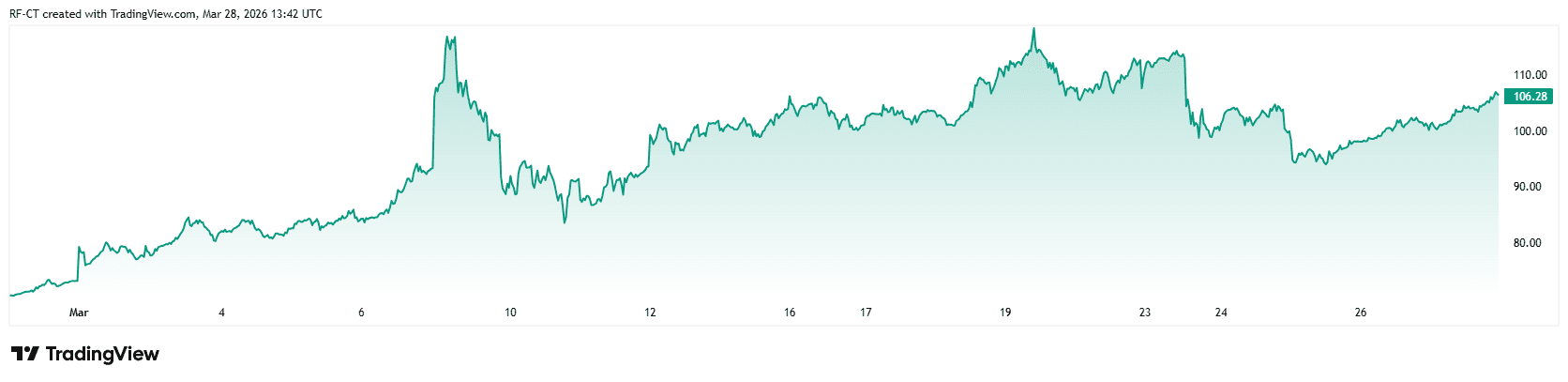
With Russia restricting gasoline exports, markets are now pricing in:
👉 A move toward $115+ oil becomes increasingly realistic if supply constraints persist.
At first glance, oil and crypto may seem unrelated — but in reality, they are deeply connected through global liquidity and macro risk sentiment.
When oil prices surge:
Higher energy costs ripple across the economy — from transport to manufacturing.
➡️ This increases inflation pressure globally.
Rising inflation reduces the likelihood of rate cuts.
➡️ Liquidity stays tight, hurting risk assets like crypto.
Investors rotate capital into safer assets or commodities.
➡️ Bitcoin and altcoins face selling pressure.
👉 This is the same pattern seen in previous oil shocks: crypto drops as energy rises.
The market reaction has already begun:
Despite recent bullish news (ETF flows, institutional demand), macro forces are currently dominating price action.
👉 Crypto is no longer trading in isolation — it’s reacting to global energy shocks.
This gasoline export ban is not just a regional policy — it’s part of a broader shift:
For crypto markets, this means one thing:
👉 Macro is back in control.
Until oil stabilizes and liquidity conditions improve, crypto markets may remain under pressure.
Key signals to monitor:
If oil continues rising, expect:
➡️ Continued downside or sideways movement in crypto
➡️ Increased volatility
➡️ Delayed bullish momentum





