Shiba Inu is back in the headlines today, and this time it's the burn numbers driving the conversation.
The latest Shiba Inu burn news shows a sharp spike in token destruction, the kind of move that hasn't happened in half a year. Here's everything currently known, based on official burn-tracking data and live market numbers.
Shiba Inu (SHIB) is a large-cap meme coin built on the Ethereum blockchain, known for its massive token supply and its community-driven "burn" mechanism.
Burning means permanently removing tokens from circulation by sending them to an unusable wallet address. The idea is simple: fewer tokens in circulation could support scarcity over time, though the effect depends heavily on how much supply actually gets removed compared to what's left.
That scale question is exactly what today's numbers put in focus.
According to data from Shibburn, Shiba Inu burned more than 110 million $SHIB on July 8, marking its biggest daily Token removal in six months.
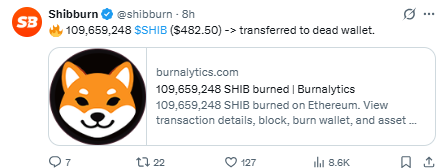
Source: X Account
Weekly burns have climbed to 152 million SHIB as a result. Despite the jump, the amount removed remains tiny compared with SHIB's 585.61 trillion circulating supply.
For context, more than 410 trillion SHIB have been burned since the token's launch, with most of that historical total destroyed by Ethereum co-founder Vitalik Buterin back in 2021.
This is one of the clearest updates in recent shib burn rate news, and it's already fueling fresh community discussion about whether token withdrawal activity can meaningfully move the needle on supply.
Zooming out to a full year of burn data tells a clearer story about how rare today's spike really is.
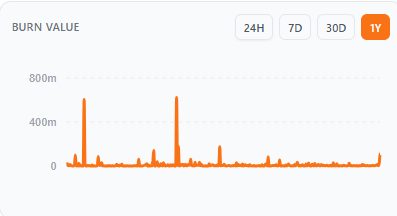
Burn value across the past 12 months has stayed mostly flat and low, with only a handful of sharp spikes breaking through the noise. The first major spike in this window landed on July 29, 2025, when value shot up dramatically before falling back down just as fast.
A second spike followed months later, on November 10, 2025, again standing far above the average daily token withdrawal level before settling back toward baseline.
Now, nearly eight months after that second spike, burn activity has jumped again, matching the pattern of these earlier one-day surges rather than reflecting a sustained shift in token withdrawal behavior. This kind of spike-then-settle pattern has defined SHIB's Token removal history for over a year.
For anyone tracking shiba inu update today, the token withdrawal spike alone isn't the full picture. Price action and market data matter just as much.
As of the latest CoinMarketCap figures, SHIB is trading at $0.000004159, down 4.7% over 24 hours. Market cap sits at $2.45 billion, with 24-hour trading volume at $79.34 million, up 5.35%.
Total supply stands at 589.49 trillion tokens, with a max supply of 589.55 trillion and circulating supply at 589.24 trillion. Holders currently number 3.05 million.
This is the question every piece of shib news today eventually circles back to, and the numbers give a fairly direct answer.
Despite the biggest daily Token removal in six months, SHIB's price is still down nearly 5% over the same 24-hour period. The math explains why: 110 million tokens burned against a circulating supply of 585.61 trillion is a fraction so small it barely registers as a percentage.
In short, Token removal spikes like this one tend to generate community attention and short-term buzz, but they haven't historically translated into sustained price recovery on their own. The previous spikes in July and November 2025 followed the same pattern, drawing headlines without reversing SHIB's broader price trend.
Today's Token removal surge is a genuine six-month high and a notable piece of shiba inu market news, but the scale of SHIB's total supply means burns of this size remain largely symbolic rather than price-moving. Anyone following SHIB closely should watch whether rates stay elevated over the coming weeks, since a single-day spike has rarely been enough to shift the bigger picture on its own.
This article is for informational purposes only and does not constitute financial or investment advice. Cryptocurrency markets are highly volatile, and price patterns do not guarantee future outcomes. All data mentioned here is sourced from Shibburn and CoinMarketCap and has not been independently verified beyond these public sources. Always do your own research and consult a licensed financial advisor before making any investment decisions.





