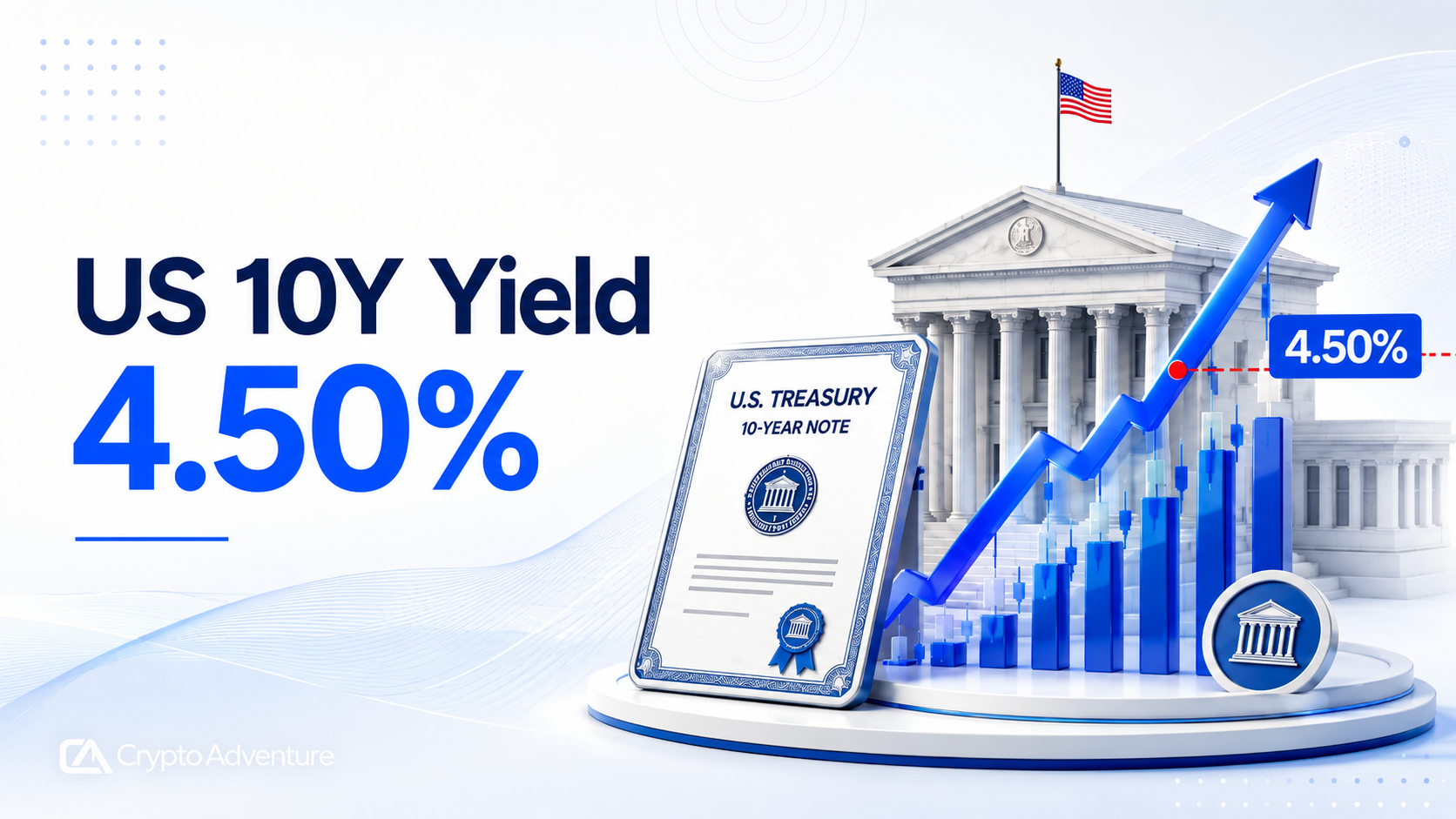
The U.S. bond market has pushed back into the level that rattled Washington last year. The 10-year Treasury yield climbed to about 4.53% on May 15, while the 30-year yield moved above 5.06%, its highest level since July 2025. Long-dated borrowing costs are rising again because investors are demanding more compensation for inflation, oil risk and heavy Treasury supply.
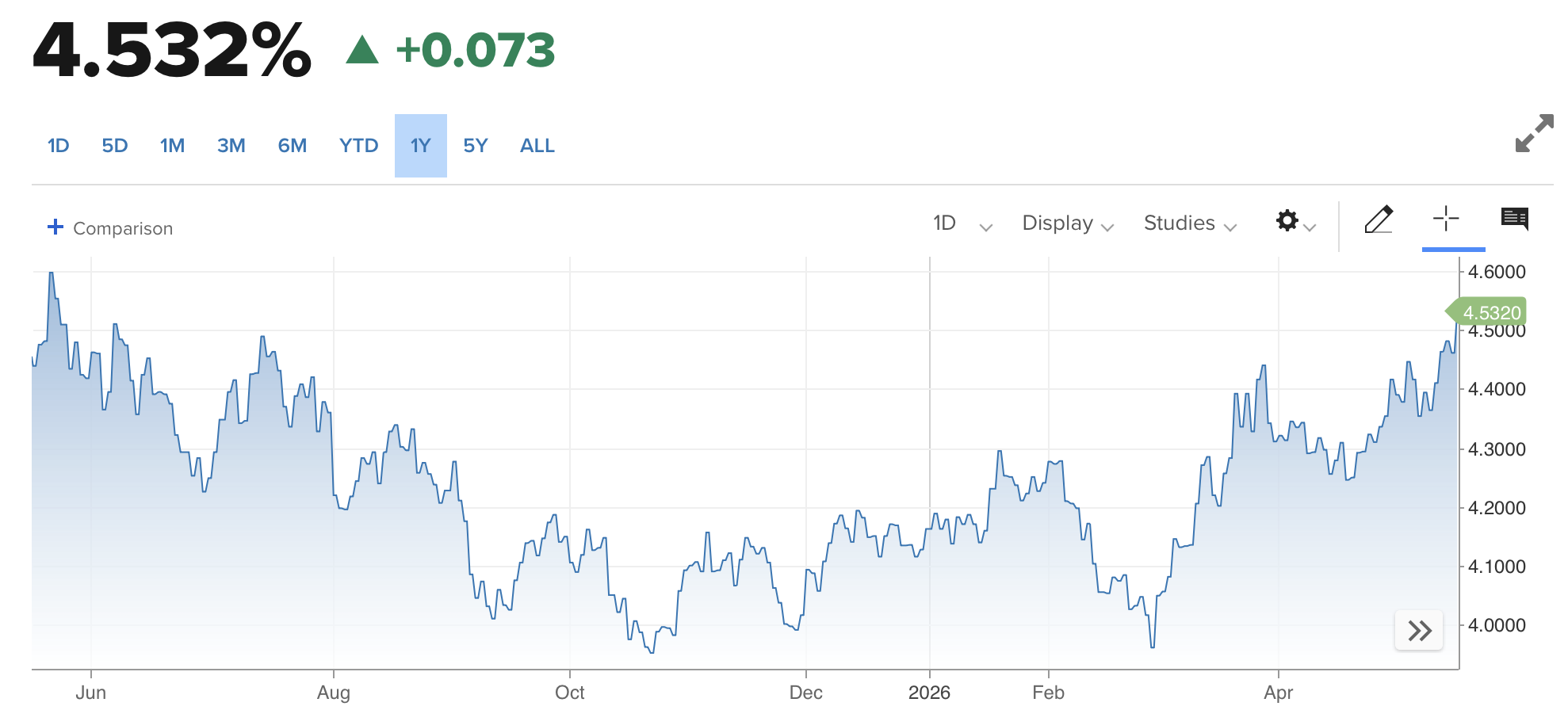
Last year’s tariff turmoil sent Treasury yields surging and helped force a 90-day pause on higher reciprocal tariffs for most countries. The pause eased the immediate political shock, but it did not erase the market lesson: when the long end of the Treasury curve breaks higher too quickly, the White House loses room to treat markets as background noise.
The current trigger is broader than tariffs. April CPI rose 3.8% from a year earlier, up from 3.3% in March, while core inflation rose 2.8%. Energy carried much of the heat, with gasoline up 28.4% year over year and fuel oil up 54.3%. Oil above $100 and renewed Gulf supply risk have turned the inflation problem from a backward-looking data release into a live policy constraint.
Mortgage pressure adds a domestic political channel. Freddie Mac’s weekly 30-year fixed mortgage average was 6.36% as of May 14, while daily private-market readings were closer to the mid-6% range. That is still below a clean 7% national average, but the direction is uncomfortable. If the 10-year yield keeps moving toward 4.75%, housing affordability and refinancing activity become harder to defend.
A tariff pause was the release valve in April 2025 because tariffs were the most visible policy shock. The bond market is sending a different message now. Inflation is being driven through energy, import costs, shelter and rate expectations, so the pressure is less likely to produce one dramatic trade-policy reversal and more likely to force a combination of smaller moves.
The first pressure point is the Gulf. Oil is now the fastest channel from geopolitics to U.S. inflation, bond yields and consumer pain. Any credible step that lowers energy-risk premiums, including progress around shipping lanes, crude supply or Iran-related escalation, would hit the bond market faster than political messaging about growth. Without that, investors have little reason to price lower inflation quickly.
The second pressure point is fiscal credibility. Long-end yields above 5% turn deficit financing into a visible market problem. Treasury supply, weak auctions and term-premium pressure make it harder for the administration to argue that higher yields are only about the Federal Reserve. Bond buyers are also judging debt issuance, fiscal discipline and policy volatility.
The third pressure point is the Fed. Markets have already pushed out rate-cut hopes and started pricing a higher probability that the next move could be a hike. The White House can pressure the Fed rhetorically, but hot inflation makes that pressure less useful. A central bank facing 3.8% CPI, oil above $100 and a weakening long bond has little room to deliver easier policy without risking another yield spike.
Crypto is exposed through the same liquidity channel as equities. Higher Treasury yields lift the hurdle rate for risk assets, support the dollar and tighten financial conditions without a formal Fed move. That is why Bitcoin’s hold near $80,000 has become more important after the latest CPI pressure capped risk appetite. Strong ETF demand can cushion BTC, but bond-market stress can quickly pull capital back toward cash, dollars and short-duration assets.
The transmission path is already visible: rising real yields pressure long-duration trades, mortgage rates hit households, and higher funding costs make leveraged positions less forgiving. That is also the channel behind earlier warnings that a bond market crash could hit the crypto outlook. Bitcoin can trade as a liquidity asset during stress, but it rarely ignores a fast move in the dollar and Treasury curve.
The 4.5% 10-year level does not automatically trigger a tariff pause, a Fed pivot or a market break. It triggers a policy squeeze. Washington now faces a bond market asking for lower inflation risk, cleaner energy visibility and credible debt management at the same time. If yields keep rising from here, the next response is more likely to come through energy diplomacy, fiscal signaling or tariff restraint than rate cuts. The numbers that matter now are 4.75% on the 10-year, 5.15% on the 30-year, oil above $100 and Bitcoin’s ability to keep defending the $80,000 area while real yields rise.
The post Bond Market Pressure Returns As 10-Year Yield Breaks Trump’s Pain Point appeared first on Crypto Adventure.





