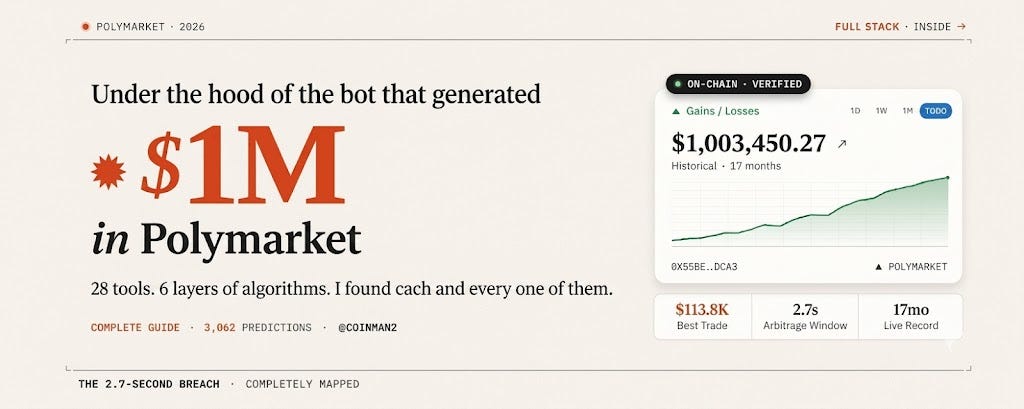
Last November, an anonymous trader built a Polymarket trading bot that made $1M through crypto arbitrage and AI automation.
In just 90 days, they turned a basic retail wallet into a high-frequency algorithmic money machine, unlocking a massive passive income stream that most market participants deemed completely impossible.
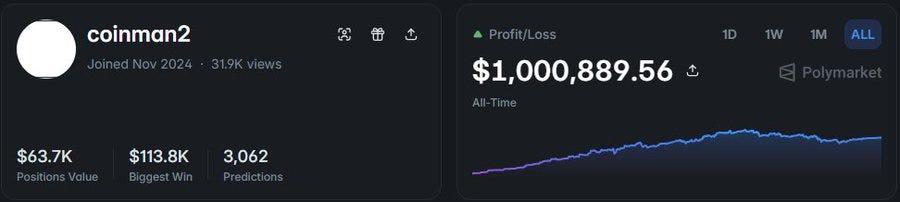
When the screenshots of this flawless, upward-sloping equity curve hit Twitter, everyone said the same thing: “This is fake.” Skeptics claimed it was a Telegram signal group scam or simple inspect-element wizardry.
But the blockchain doesn’t lie. Every single transaction executed by this wallet (0x55be7aa03ecfbe37aa5460db791205f7ac9ddca3), operating under the handle @coinman2, is publicly indexed, timestamped, and verified on Polygon.
Intrigued by this anomaly, a small team of developers spent weeks reverse-engineering its footprints. We stripped away the noise, identified the infrastructure, and used advanced AI frameworks to rebuild the core system from scratch.
To understand how a machine extracts millions from prediction markets, you must discard one myth: the bot is not “predicting” the future.
It is simply exploiting an infrastructure lag.
Polymarket is a prediction market. Users trade on outcomes: Will Bitcoin go higher in 15 minutes? Will the Fed raise rates? Each contract is settled at $1.00 (correct) or $0.00 (failed). A contract worth $0.73 means the market believes there is a 73% chance that “Yes” will be executed.
The platform’s weekly volume exceeded $2 billion by early 2026.
A key category for automated trading is short-term crypto contracts: BTC and ETH up or down questions for 5 and 15 minutes. They are quickly liquidated, provide immediate feedback, and have structural vulnerabilities.
This creates a structural vulnerability: Latency Arbitrage.
When Polymarket first gained massive traction, the pricing lag between spot crypto moves on Binance and order book updates on Polymarket was massive — averaging about 12 seconds. Early bots made fortunes on this massive window with basic Python scripts.
Today, competition has squeezed that window down significantly. The current gap between what Binance already knows and what Polymarket is still showing is exactly 2.7 seconds.
To a human, 2.7 seconds is a blink. To an automated machine running on a high-speed WebSocket feed, it is an eternity. This is where millions are made.
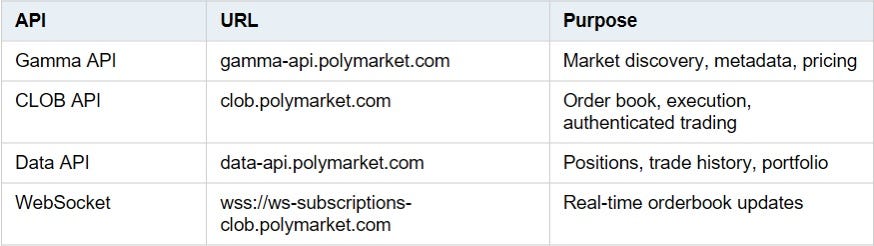
Before introducing AI components, you must establish the base pipe. The platform environment is accessed via the official Python client: py-clob-client (pip install py-clob-client). Three lines of code stream the book; five lines route a signed transaction via Polygon (Chain ID 137) using USDC.
The bot runs on Claude by Anthropic as its primary strategist.
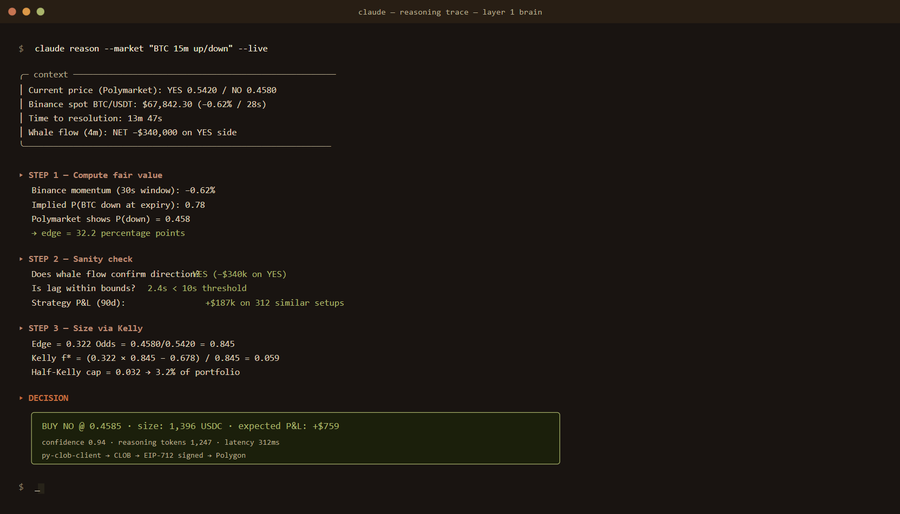
In a controlled, 48-hour head-to-head live market test, developers pitted Claude’s logic against the open-source OpenClaw framework using identical parameters:
The differentiator was risk management. Claude’s generated code built defensive edge-case handlers, accounted for slippage, and halted execution during erratic API responses. OpenClaw over-leveraged during a brief losing streak and blew up.
💡 Key Insight: This layer separates gamblers from engineers. If your AI model doesn’t understand risk management, a latency advantage doesn’t matter — you will eventually blow up.
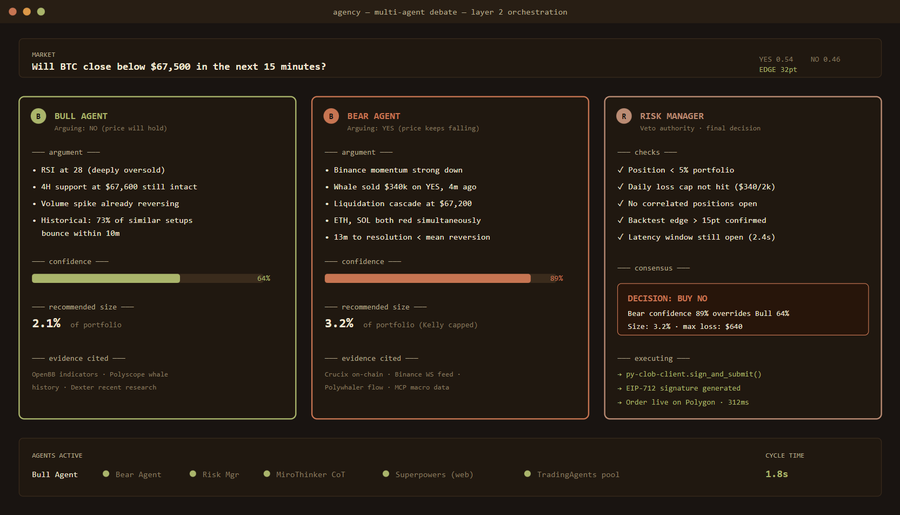
A reasoning engine without an execution layer is just a thought generator. This layer implements role-based multi-agent consensus to prevent a “confident but wrong” agent from wiping out capital.
💡 Key Insight: Orchestration ensures structural safety. Without an internal multi-agent debate or a strict veto system, a single data anomaly can cause an AI agent to execute catastrophic trades.
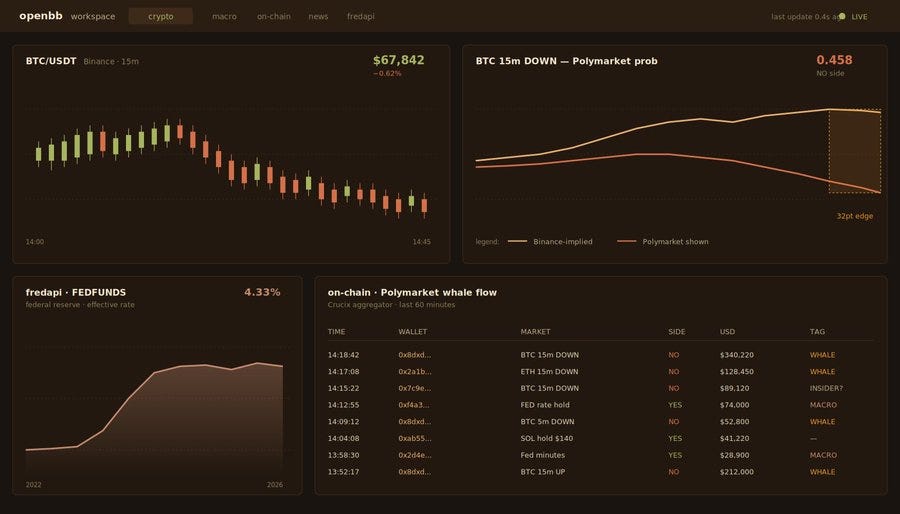
An algorithm is only as good as its data ingestion. This layer unifies macroeconomic variables, order-book flow, and immediate rendering engines.
💡 Key Insight: Data fidelity defines your floor. If your data pipeline introduces even 200ms of lag, your trading bot is no longer trading an edge — it is providing liquidity to faster bots.
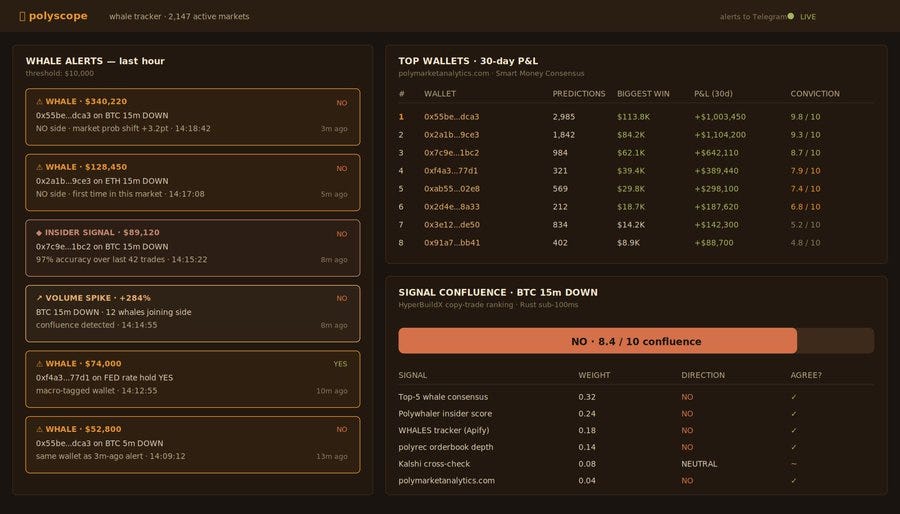
Building everything from scratch is inefficient. The developer landscape contains specialized intelligence tools that plug directly into existing setups.
💡 Key Insight: Don’t reinvent the wheel. Tapping into pre-built indicators, Rust execution wrappers, and established webhooks shaves months off development time.
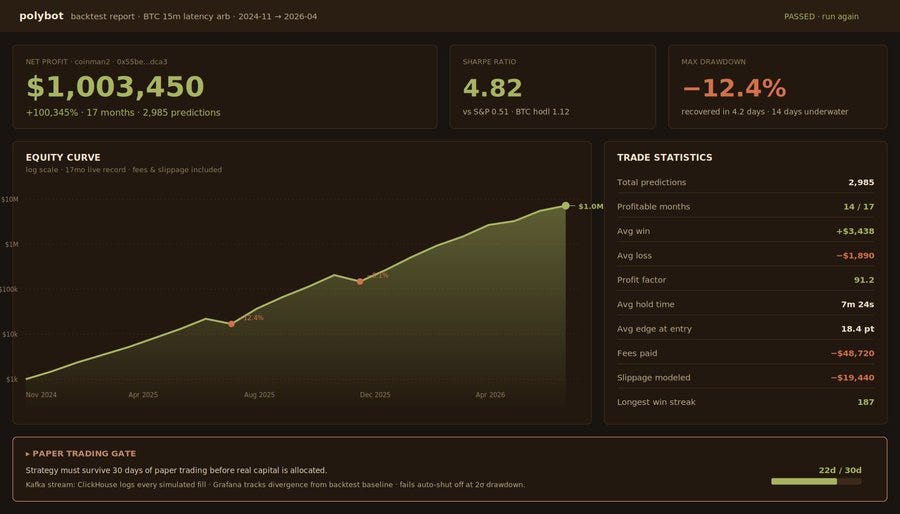
AI models can sound incredibly certain while advocating for strategies that lose money in live environments. Every variation must survive a backtest simulating historical depth, slippage, and gas fees before accessing real capital.
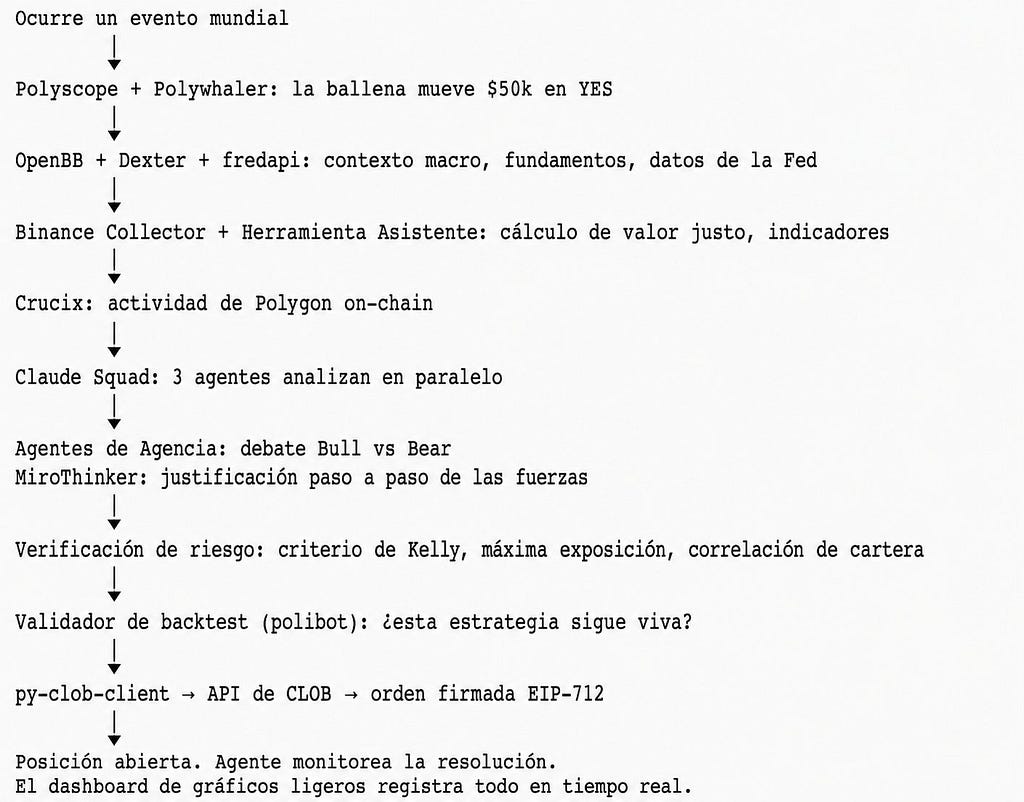
Data extracted from live testing periods comparing human execution to automated algorithms using the exact same latency arbitrage strategy reveals a massive execution gap:
The market conditions were identical. The strategy was identical. The delta lies purely in execution mechanics, where humans make four fatal errors:
The algorithmic arms race on decentralized prediction networks is accelerating. The pricing inefficiencies that allowed the coinman2 wallet to cross seven figures are still wide open today, but the window is tightening by the month as execution infrastructure improves.
99.9% of readers will look at this architecture, call it “too complex,” and scroll past.
The remaining 0.01% will do three things right now:
Which group are you in?
The window is still open. But not for long.
See you on the leaderboard. 🚀
A Retail Wallet Made $1M on Polymarket. Crypto Twitter Said “Fake.” I Rebuilt It. was originally published in Coinmonks on Medium, where people are continuing the conversation by highlighting and responding to this story.





