The first quarter of 2026 has concluded, leaving the cryptocurrency market in a state of significant reassessment. After a bullish end to 2025, the start of the year brought a harsh "risk-off" reality. Major assets, led by Bitcoin (BTC) and Ethereum (ETH), saw substantial drawdowns as investors grappled with a perfect storm of geopolitical conflict, surging energy costs, and a hawkish shift in global monetary policy.
If you are looking for the primary reason for the crash: Q1 2026 was defined by a liquidity drain. As Bitcoin fell 23%, capital fled volatile assets in favor of traditional safe havens. While the broader market bled, specific utility-driven tokens like Tron (TRX) and UNUS SED LEO (LEO) managed to defy the trend, posting gains of 10% and 4.6% respectively.
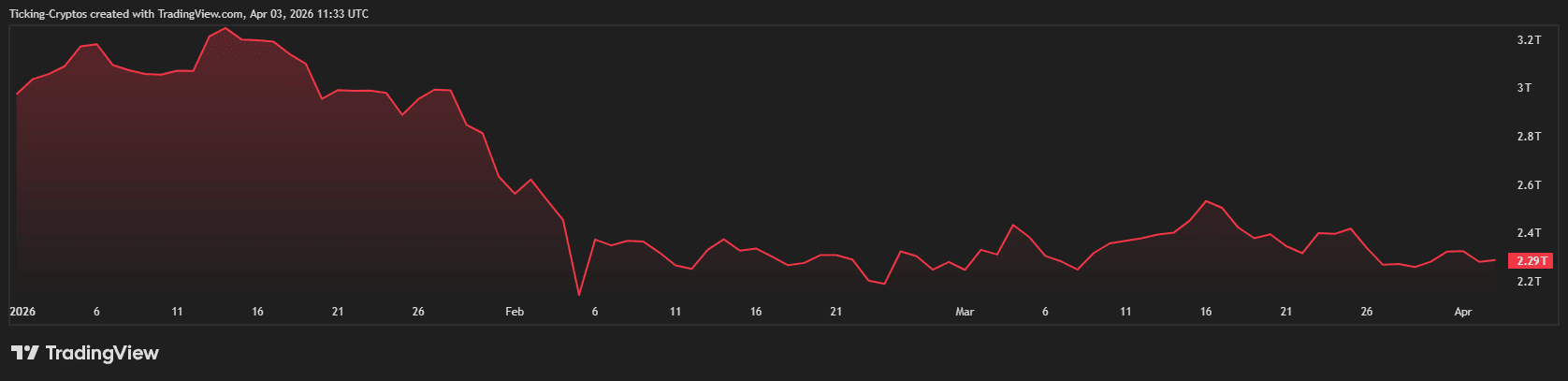
The following table summarizes the Year-to-Date (YTD) performance of the top cryptocurrencies as of the end of March 2026:
| Cryptocurrency | Q1 2026 Performance (YTD) |
|---|---|
| Bitcoin ($BTC) | -23% |
| Ethereum ($ETH) | -30% |
| Solana ($SOL) | -36% |
| Binance Coin ($BNB) | -32% |
| XRP ($XRP) | -28% |
| Dogecoin ($DOGE) | -22% |
| Tron ($TRX) | +10% |
| UNUS SED LEO ($LEO) | +4.6% |
To understand the Q1 crash, one must look at the "Macroeconomic Pressure Cooker." This refers to the simultaneous rise in inflation expectations and interest rates. In early 2026, the US Federal Reserve signaled that interest rates would remain "higher for longer" to combat a sticky 2.7% inflation rate. This strengthened the US Dollar, making riskier assets like Ethereum less attractive to institutional desks.
The downturn was accelerated by significant global events:
While Bitcoin’s 23% drop was painful, Solana (SOL) and BNB were hit harder, losing 36% and 32% respectively. This is a classic "beta" move; altcoins typically amplify Bitcoin's movements. When liquidity dries up, speculative "high-growth" ecosystems are the first to see capital outflows. Investors moved their holdings from high-risk dApp platforms into stablecoins or exited the market entirely.
Why did Tron (+10%) and UNUS SED LEO (+4.6%) survive the carnage?
The latest crypto news highlights that Bitcoin ETFs saw their first sustained period of net outflows in Q1 2026. Institutional investors, who were the primary drivers of the 2025 rally, shifted their focus to the S&P 500 and banking stocks, which showed more resilience during the "war-inflation" scare.





