The increasing use of artificial intelligence (AI) in a wide range of applications and the need for more data centers have stirred up a fresh talk about nuclear power in the United States. Interestingly, it was the Bitcoin miners who first saw the promise of nuclear energy as a source of power for their ultra-performance computing systems.
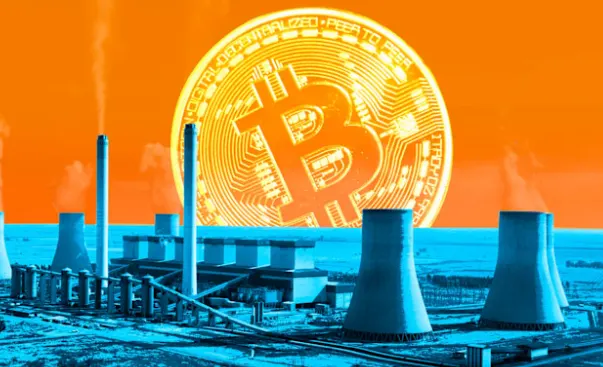
The role of nuclear power in Bitcoin mining has been on the rise as its proportion in energy mix increased from 4% in 2021 to almost 10% in 2025. Along with nuclear, other renewable energy sources such as hydropower and wind now make up about 52.4% of the electricity used in Bitcoin mining.
Going greener by using clean energy helps not only the miners to reduce their carbon footprint but also to address the concern of environmental damage.
Also Read: Bitcoin’s $74K Challenge: PCE Inflation Data Fuels Market Resurgence
The emergence of small modular reactors (SMRs) is one of the latest trends that has drawn the attention of the AI and crypto communities.
Designed to be smaller in size, quicker in deployment, and cheaper in cost, SMRs capable of generating electricity are considered a good fit for powering very energy-intensive infrastructures like data centers and large-scale Bitcoin mining operations.
Also Read: Saylor Says MicroStrategy Bitcoin Purchases May Tighten Supply
As the AI and crypto industries experience rapid growth, their energy needs will more and more be met by nuclear power.
This unfolding situation offers chances for cooperation and new ideas, resulting in the creation of more helpful and green energy solutions. Since nuclear power could be a major source of support for energy-intensive computing, Bitcoin mining is the activity most likely to adopt this change.
Also Read: BTC Bottom Structure May Signal Next Market Cycle