
We’ve all seen the screenshots. A wallet address that bought $100 of a coin with a name like “PepeAI” and sold it three weeks later for $1.2 million. These stories are the “Fuel” of the meme coin market. They create the illusion that wealth is just one “Lucky” swap away.
But in 2026, we have the data. And the data tells a different story.
For every “$100 to $1M” story, there are 99,000 wallets that went from “$100 to $0.”
The meme coin market is a Negative-Sum Game. Between “Gas Fees,” “Slippage,” “Rug Pulls,” and “Developer Taxes,” the vast majority of capital is sucked out of the system before it ever reaches a retail trader.
To win in this market, you have to stop looking for “Luck” and start looking at Probability. You need to understand the “Mathematical Reality” of the moonshot.
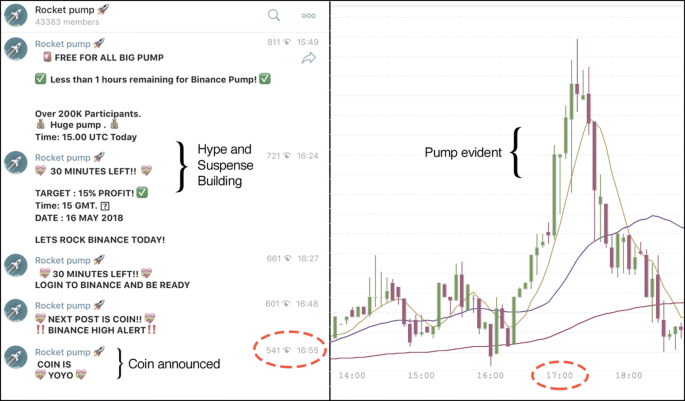
In 2026, meme coin returns follow a Power Law distribution.
If you are only “Betting” on one coin, your probability of success is 0.1%. You are effectively playing a lottery with worse odds than a casino.
To resurrect your crypto portfolio, you must stop “Gambling” on one coin and start “Sampling” the market.
Instead of putting $1,000 into one coin, put $10 into 100 coins.
If 99 of those coins go to zero (a loss of $990), but one of them is a 1,000x moonshot, that one coin becomes $10,000.
•The Result:
Your total profit is $9,010, despite being “Wrong” 99% of the time.
This is how “Professional Degens” operate in 2026. They don’t look for “The One.” They look for the “Probability of The One.”

Most retail traders enter a coin after it has already done a 10x.
A coin with a $1M market cap needs to go to $1B to give you a 1,000x. That is extremely unlikely.
You must enter coins with a market cap between $10k and $50k. At this level, the “Risk” is 100%, but the “Mathematical Potential” is infinite.
The biggest mistake traders make is “Holding to Zero.”
When a coin does a 2x, sell 50% of your position. You have now “De-Risked” the trade. You are playing with “House Money.”
Leave the remaining 50% to run. If it goes to 1,000x, you still make life-changing money. If it rugs, you haven’t lost a penny of your initial capital.
“The hardest part of trading meme coins isn’t finding the moonshot; it’s having the discipline to sell the ‘Initial’ and let the ‘Moon-Bag’ do the work.” — Excerpt from a viral Reddit thread on r/CryptoCurrency.
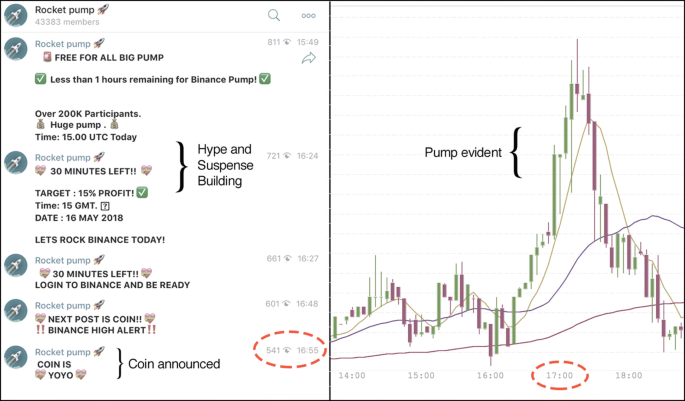
It’s not just the rugs. It’s the “Dopamine Trap.”
A trader makes a 5x on a coin. Instead of de-risking, they feel “Invincible.” They put the $500 profit into the next coin. That coin rugs. They are now back to zero.
Treat your meme coin wallet like a “Business Treasury.” Profit is taken out of the system and moved into “Safe” assets (BTC/ETH/Stablecoins). Only the “Initial” is recycled.
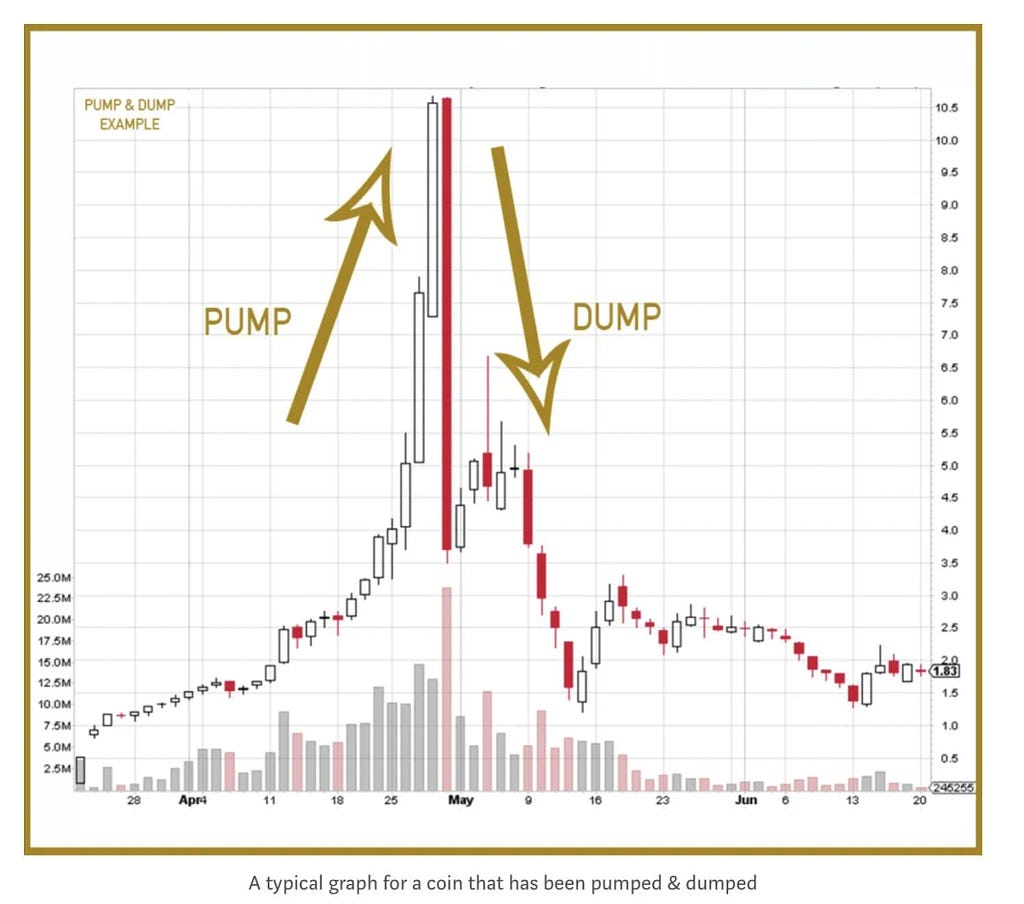
In this chart of a “Successful” Moonshot:
1.Point A: Entry at $20k Market Cap.
2.Point B: 2x Gain. 50% of position sold (Initial capital recovered).
3.Point C: 10x Gain. Another 25% sold (Profit secured).
4.Point D: The “Moonshot” peak. The remaining 25% (The Moon-Bag) is now worth $50,000.

The meme coin market is a casino, but you can be the “House.” By using the “100-Shot” rule and the “Moon-Bag” strategy, you turn a “Gamble” into a “Statistical Edge.”
Resurrect your crypto dreams. Stop looking for “The One.” Start looking at the Math.
The moon is possible, but only for those who know how to survive the 99 crashes to get to the 1 moonshot.
Discover the secret Degens hide from you .
From $100 to $1M: The Mathematical Reality of Meme Coin “Moonshots” and Why 99% of Traders Lose was originally published in Coinmonks on Medium, where people are continuing the conversation by highlighting and responding to this story.





