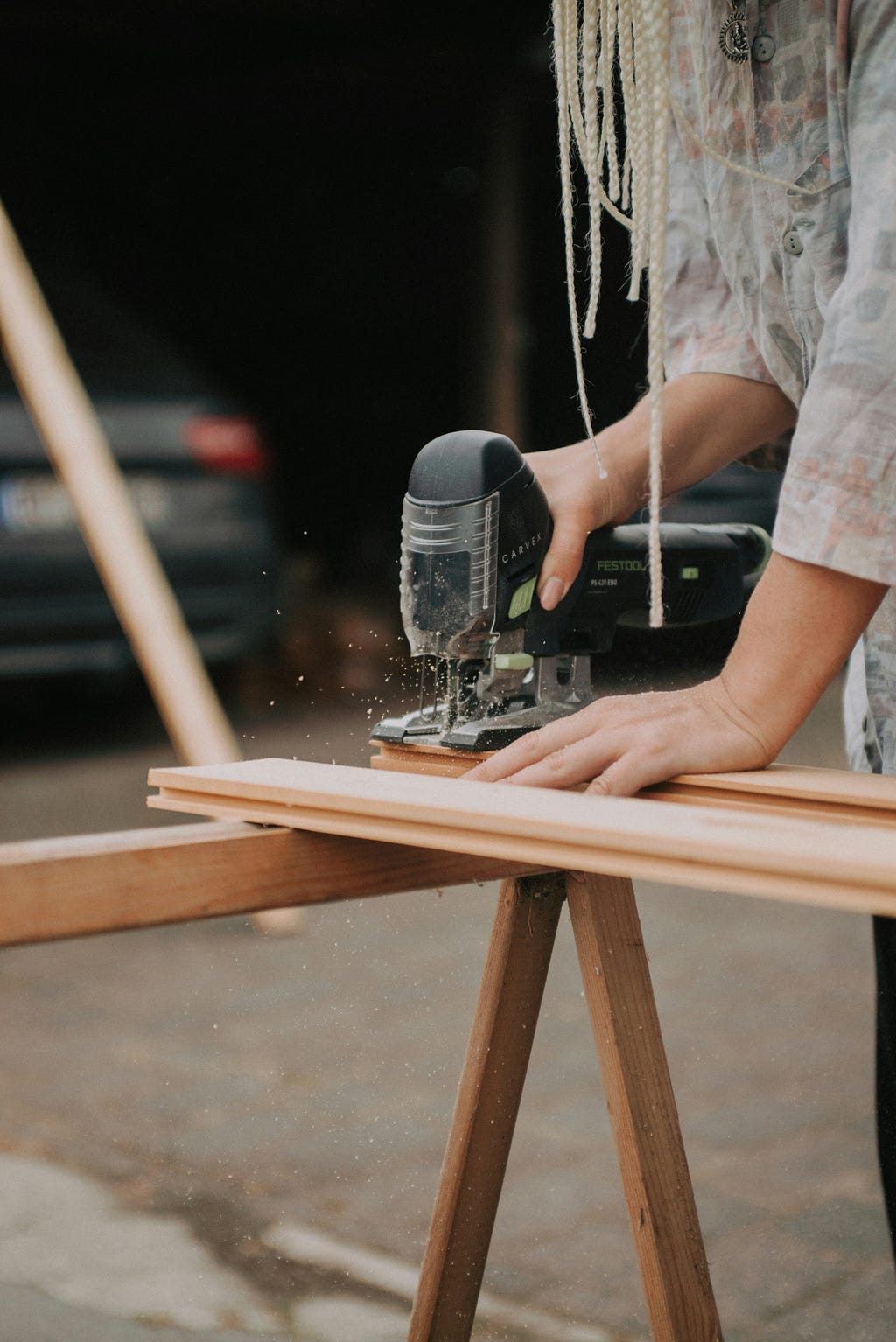
I build things that last. For thirty-one years, I’ve been hand-planing walnut slabs, cutting dovetail joints, and rubbing oil finishes into dining tables that will outlive the families who buy them. I can feel the grain of a wood species just by running my palm across it. Wood doesn’t lie to you. It tells you exactly what it can bear and where it will fail.
I should have trusted my hands more than I trusted a website.
The portal at robusumbrella.com looked professional. Boring, even. That’s what made it feel safe. No flashy animations or promises of overnight millions. Just steady, European-sounding talk about bonds and diversification. The man on the phone had a calm voice. He asked about my workshop, my process, how long it took me to finish a table. He made me feel like he understood the value of patient work.
My partner’s Parkinson’s diagnosis changed everything. I needed to sell the workshop on our terms, not in a panic. I needed the money to grow safely. Robus Umbrella promised exactly that.
I tested them first. Withdrew a small amount to buy therapy equipment. The money arrived in five days with proper banking codes. I felt smart. I felt like I’d finally figured out how to protect us.
Then came the surgery deposit. The money we needed for her Deep Brain Stimulation procedure. When I tried to withdraw it, the website froze. A “Regulatory Hold” appeared. Then the emails started — each one demanding another fee. Security verification. Compliance charges. Tax clearance. Every time I paid, they promised the money would be released tomorrow.
I sat in my workshop at midnight, surrounded by half-finished tables, my hands shaking as I sent the last wire transfer. I wasn’t just losing money. I was losing the ability to look at my partner and tell her everything would be alright. When the phone stopped ringing and the website went blank, the silence of that workshop was heavier than any slab of walnut I’d ever lifted.
I was ready to give up. I felt old, foolish, and discarded. But a friend told me about AYR’LP. I called them, expecting to hear that a furniture maker with a broken heart didn’t stand a chance.
They didn’t treat me like a fool. They traced the digital path of my savings, peeled back the layers of the operation, and worked with authorities to freeze the criminals’ accounts. They helped me recover a portion of my savings. Enough to pay for the surgery. Enough to keep my dignity.
I’m still in my workshop. I still rub oil finishes into walnut. But I no longer trust a calm voice on the phone. I know now that there are people in this world who steal corporate identities the way I steal beauty from a tree. The difference is, I create. They destroy.
The Name They Stole was originally published in Coinmonks on Medium, where people are continuing the conversation by highlighting and responding to this story.





