
The Abu Dhabi Agriculture and Food Safety Authority (ADAFSA), responsible for agricultural regulation in the emirate, announced a ban on using farmland for cryptocurrency mining activities. The measure aims to promote responsible land use and uphold sustainability policies, which many officials consider at odds with crypto mining’s high energy demands.
According to the announcement released on Tuesday, violators will face fines up to 100,000 AED ($27,229). Authorities will also suspend municipal services, confiscate mining hardware, and disconnect affected farmland from the electrical grid to prevent illegal operations.
ADAFSA emphasized that such activities conflict with its regulations, stating, “Crypto mining falls outside permitted economic uses on farmland and undermines regional land use provisions.”
As global discussions about the environmental footprint of crypto mining continue, critics argue that such operations exacerbate ecological harm. Conversely, some proponents highlight innovative approaches, including using renewable energy sources or recycling waste heat from mining servers to utilities.
Related: Bitcoin mining difficulty hits new all-time high amid centralization fears
Research indicates that crypto mining can, under certain conditions, contribute to environmental sustainability. Miners actively seek out the lowest-cost, green energy options—such as hydroelectric, geothermal, or runoff energy—aiming to reduce operational expenses and ecological impact.
Notably, renewable energy sources account for over 50% of Bitcoin mining energy consumption in 2023, driven by the industry’s push for sustainable operations.
In August 2024, scientific research proposed innovative models like “An integrated landfill gas-to-energy and Bitcoin mining framework,” demonstrating how proof-of-work (PoW) mining can harness methane emissions from landfills. This process not only reduces potent greenhouse gases but also converts them into usable electricity.
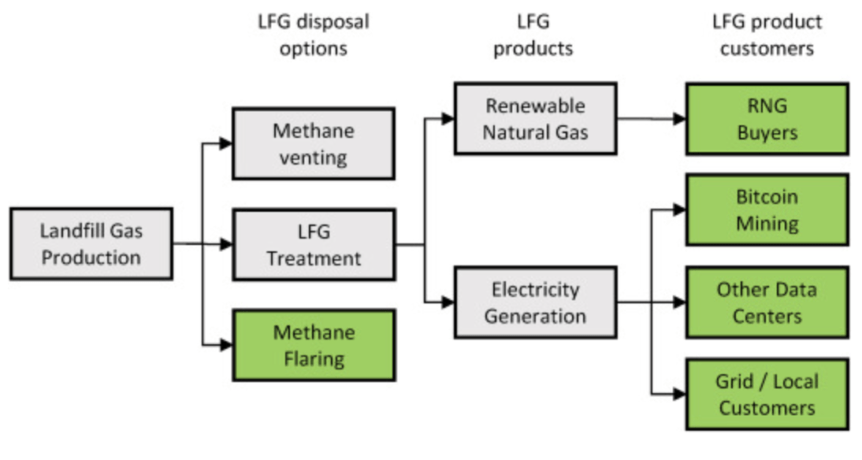
This approach echoes prior studies—including the report “Bitcoin and the Energy Transition: From Risk to Opportunity”—which suggested that crypto mining could significantly reduce global emissions, potentially cutting up to 8% of total emissions by 2030.
Despite growing research supporting crypto’s environmentally beneficial potential, critics caution against unchecked mining activities. U.S. lawmakers, for instance, have pushed for tighter regulations via the Environmental Protection Agency (EPA), aiming to curb pollution related to mining operations, including air and water contamination and noise pollution.
Magazine: Bitcoin mining industry ‘going to be dead in 2 years’: Bit Digital CEO
This article was originally published as UAE Regulator Cracks Down on Farms Exploiting Land for Crypto Mining on Crypto Breaking News – your trusted source for crypto news, Bitcoin news, and blockchain updates.





