This BitMEX review assesses the structure of the exchange and its main strengths, limitations, and risks in 2026. In such a rapidly evolving market, functionality is just one part of the evaluation — reliability and the overall trading environment matter just as much.
BitMEX occupies a distinct position within the cryptocurrency ecosystem. Unlike most retail-focused exchanges, it was designed primarily as a derivatives trading venue. This is why most BitMEX exchange review articles focus on its performance within derivatives markets rather than on the number of supported cryptocurrencies.
| Category | BitMEX Overview |
| Founded | 2014 |
| Core Market | Cryptocurrency derivatives |
| Trading Model | Order book trading |
| Spot Markets | Limited |
| Primary Users | Derivatives traders |
The BitMEX crypto exchange is structured differently from most retail platforms — its focus is clearly on derivatives contracts that track digital asset values.
The platform was launched in 2014 during the early expansion of crypto derivatives markets. It quickly established itself by offering products that allow traders to speculate on cryptocurrency prices without owning the underlying assets.
Its offering is primarily based on derivatives tied to digital asset prices. Within the industry, BitMEX is widely recognized as a specialized trading environment rather than a broad, multi-purpose crypto marketplace.
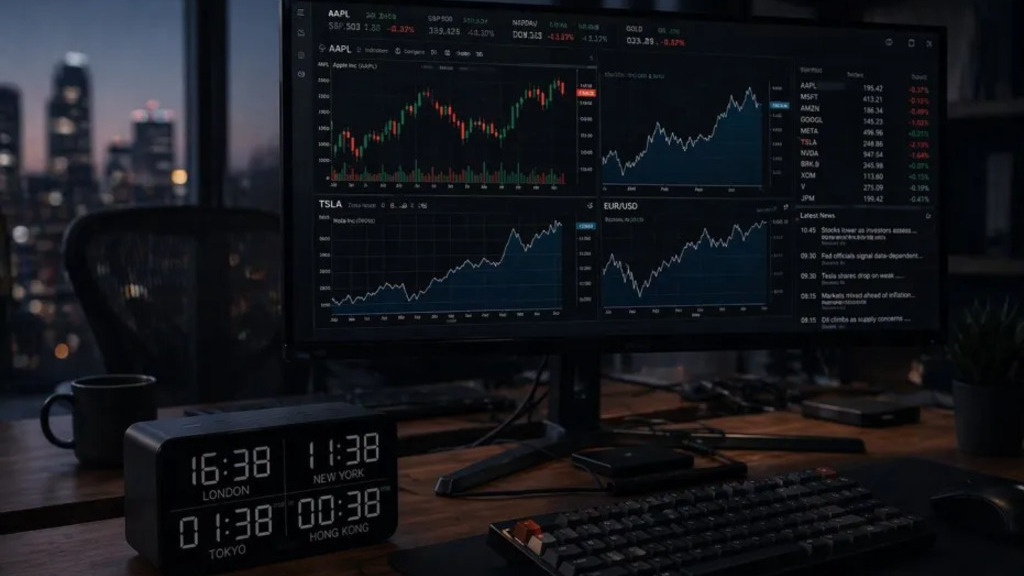
Understanding BitMEX trading is essential when evaluating the platform. BitMEX focuses on derivatives contracts linked to cryptocurrency prices, rather than direct asset ownership.
Positions are opened based on expectations of price movements:
The trading structure includes:
Perpetual futures allow positions to remain open indefinitely, while the funding mechanism helps keep derivative prices aligned with spot markets.
Several aspects of BitMEX are consistently highlighted as advantages.
The primary strength is its focus on derivatives trading. Rather than expanding into multiple unrelated services, the platform has maintained a clear emphasis on trading infrastructure.
The order-book system adds transparency to trade execution, and liquidity is concentrated in a smaller number of instruments, which helps create active and efficient markets.
Together, these elements position BitMEX as an active trading venue rather than a passive investment platform.
Alongside its strengths, most BitMEX reviews also point out certain limitations.
The main issue is complexity. Derivatives trading requires a level of knowledge that beginners often lack.
Additionally:
These factors make the platform less accessible to those without prior trading experience.
While best known for derivatives, BitMEX has expanded its product offering over time.
The platform now supports:
This expansion allows traders to access a broader range of opportunities within a single environment.
All derivatives trading involves risk, and BitMEX is no exception.
The most significant factor is leverage. While it allows traders to control larger positions with less capital, it also amplifies losses.
Other risks include:
These factors highlight the need for a solid understanding of trading mechanics before using the platform.

Questions about whether BitMEX is a legitimate platform frequently arise. Legitimacy is typically evaluated based on operational history, transparency, and regulatory practices.
BitMEX has been active since 2014 and is widely recognized as one of the established cryptocurrency derivatives exchanges. Over time, it has implemented identity verification and compliance procedures that align with industry standards.
Like many global platforms, it operates through entities in multiple jurisdictions — a common structure in the cryptocurrency industry. Its long operational history contributes to its reputation, although it does not automatically make it suitable for all users.
Traders often compare BitMEX with other platforms:
BitMEX occupies a specialized niche, focusing on derivatives rather than competing directly with retail-oriented exchanges.
BitMEX is best suited for:
These users typically prioritize trading infrastructure and execution efficiency.
The platform may be challenging for:
For these users, spot-focused exchanges may provide a more accessible starting point.
BitMEX is primarily a derivatives trading platform rather than a general crypto marketplace. It is well-suited for experienced traders who understand market dynamics and leveraged trading.
Beginners, however, may need time and practice to become comfortable navigating the platform.
Can you lose money on BitMEX?
Yes. Leveraged trading can result in losses if the market moves against your position.
Can BitMEX block accounts?
Yes, in line with compliance checks and regulatory requirements.
Does BitMEX require KYC?
Yes, identity verification is required to access trading services.
Press releases or guest posts published by Crypto Economy have been submitted by companies or their representatives. Crypto Economy is not part of any of these agencies, projects or platforms. At Crypto Economy we do not give investment advice, if you are going to invest in any of the promoted projects you should do your own research.





