TL;DR:
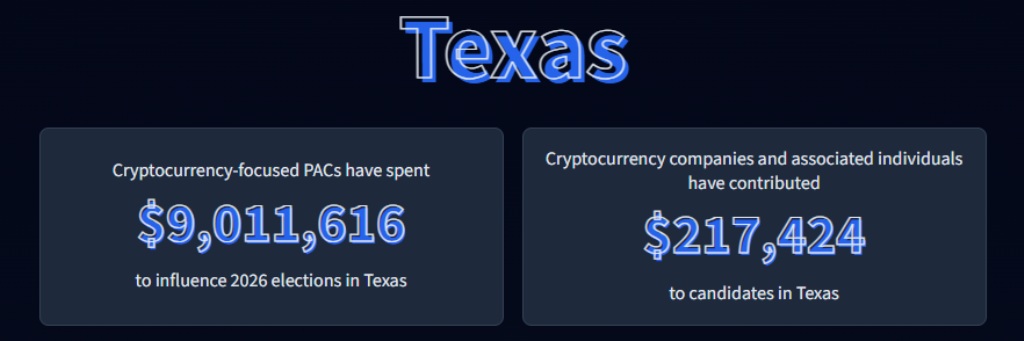
Crypto-focused political committees deployed more than $9 million in Texas during the current electoral cycle, reaping a string of primary victories across both parties and reinforcing their standing as a bipartisan political force with real firepower.
The most significant result of the day was the defeat of Democratic Representative Al Green at the hands of Christian Menefee, Harris County Attorney, in the primary election for Texas’s 18th Congressional District. A Republican-driven redistricting effort dismantled Green’s historic seat and forced an unusual showdown between two incumbents.
Green, a member of the House Financial Services Committee, had received an “F” rating from Stand With Crypto for opposing key industry legislation and publicly warning that cryptocurrencies could undermine the financial influence of the United States abroad.

Geoff Vetter, a spokesperson for Fairshake, stated that “the defeat of Representative Green demonstrates that anti-crypto hostility has real electoral consequences” and that the PAC was decisive in the race. Vetter added that the organization will continue aggressively backing leaders like Menefee across the country.
On the Republican side, Texas Attorney General Ken Paxton defeated longtime senator John Cornyn in the Senate primary. Fellowship PAC, another crypto asset-focused committee, directed $500,000 to Paxton’s campaign. Meanwhile, Defend American Jobs —Fairshake’s Republican affiliate— invested approximately $1.8 million across four Republican candidates who emerged victorious: Jon Bonck, Tom Sell, Carlos De La Cruz, and Alex Mealer, all in low-turnout contests where the nominee typically holds a considerable advantage in November.
The strategy is built on a calculated deployment of resources in districts with a high probability of electoral return. The results in Texas foreshadow an even more intense campaign ahead of the 2026 midterm elections, where Democrats are slight favorites to reclaim control of both chambers of Congress.





