TL;DR:
Losses from fraud at crypto ATMs in the United States reached $333.5 million in 2025, according to the Skynet Crypto ATM Fraud Report published by blockchain security firm CertiK. The FBI recorded more than 12,000 complaints between January and November of that year, an increase of 33% compared to the prior period.
The country concentrates approximately 78% of the 45,000 operational crypto ATMs worldwide. These machines allow users to convert cash into cryptocurrencies in under five minutes, with minimal identity verification. That combination of speed and irreversibility makes these devices the lowest-friction extraction channel available to organized crime, according to the report.
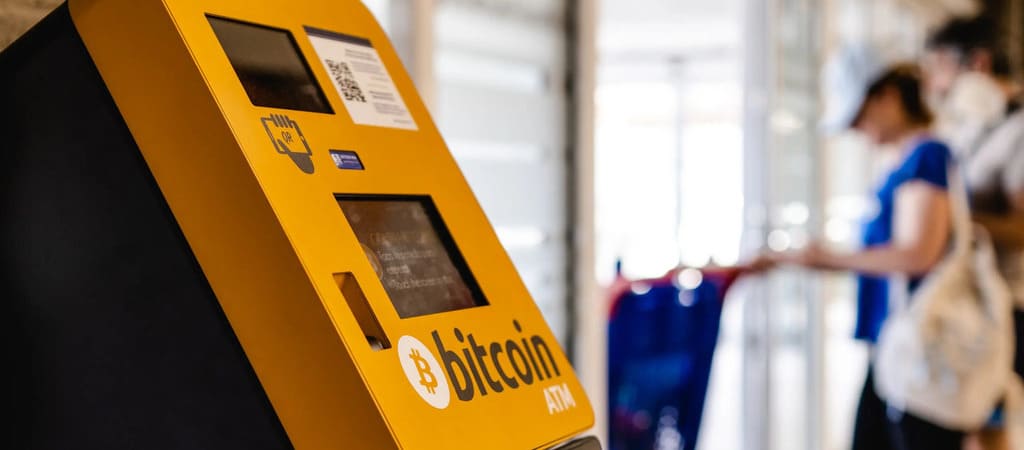
CertiK identifies a structural vulnerability in the architecture of these machines. Each one operates as a terminal connected to a centralized server called the Crypto Application Server (CAS), which releases funds from the operator’s hot wallet. The public blockchain only records the transfer between the operator and the destination wallet, without linking the original depositor. This “attribution gap” forces investigators to obtain court orders for CAS records in order to connect a physical deposit to an on-chain transaction.

Criminal networks base their schemes on data obtained from massive leaks. They purchase lists segmented by age and financial history to identify vulnerable targets and then launch automated campaigns of messages and calls designed to generate panic through threats of arrest or fabricated family emergencies. Once contact is established, scammers keep their victim on the line to guide them through withdrawing cash and depositing it at the machine, blocking any possibility of receiving a warning from operators.

A lawsuit filed by the District of Columbia Attorney General against operator Athena Bitcoin revealed that 93% of deposits at its local machines were linked to fraud, with a median victim age of 71 years. On-screen warnings proved ineffective when scammers were simultaneously guiding victims over the phone.
CertiK warns that transnational criminal networks are industrializing these operations. Asian money laundering networks processed an estimated $16.1 billion in illicit crypto flows during 2025. Fraud assisted by artificial intelligence generated returns 4.5 times higher than traditional methods, with growing use of voice and video deepfakes to impersonate relatives or officials.
Indiana became the first U.S. state this month to ban these machines. Most jurisdictions apply per-transaction limits, while federal proposals such as the Crypto ATM Fraud Prevention Act remain stalled in the Senate.





