Market attention pivots this week from inflation metrics to the health of American consumers, as earnings reports from leading retail chains provide critical insights into household spending patterns.
Walmart delivers its quarterly update Thursday morning. The discount retail powerhouse recently indicated shoppers display signs of “navigating financial distress,” citing altered gasoline purchasing patterns. Management implemented price reductions in response, and analysts will scrutinize whether this tactical move is generating results.
Target announces results Wednesday. The Minneapolis-based retailer achieved comparable store sales expansion last quarter—its first positive reading in more than twelve months. However, Chief Financial Officer Jim Lee cautioned that fragile consumer sentiment poses risks to sustained growth.
Home Depot releases earnings Tuesday. The home improvement leader delivered solid quarterly performance but fell short on comparable store sales benchmarks. With homeowners postponing major renovation projects, the company has increasingly shifted emphasis toward serving professional contractors.
The University of Michigan’s latest consumer sentiment index revealed heightened pessimism among Americans during August. Confidence erosion proved most pronounced among senior citizens, lower-income earners, and individuals without post-secondary education.
A mere 8% of survey participants anticipate their earnings will outpace inflation during the coming twelve months. Monthly retail sales contracted 0.6% in July, significantly underperforming economist forecasts calling for a 0.1% increase.
Bureau of Labor Statistics inflation figures demonstrated only marginal improvement. Nevertheless, the data prompted market participants to reduce expectations for a September Federal Reserve rate increase, with current pricing suggesting roughly 70% likelihood of a pause.
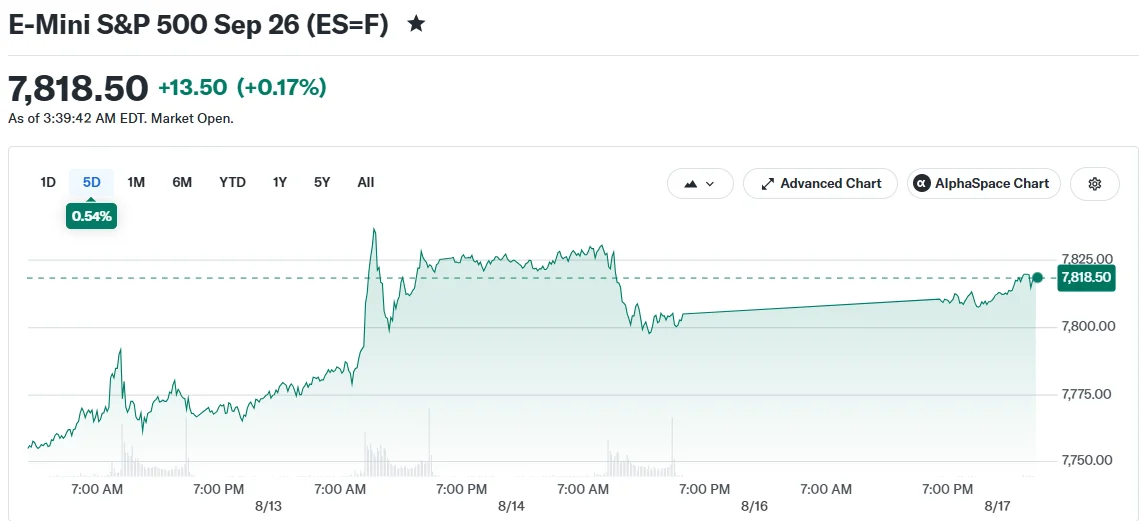
The S&P 500 concluded the previous week with a 0.4% advance. The Nasdaq climbed 0.6%. The Dow Jones Industrial Average slipped 0.6%.
Additional companies reporting this week include: Lowe’s on Wednesday, Ross Stores and Deere and Company on Thursday, plus BJ’s Wholesale Club on Friday. Chinese technology giants Alibaba and Baidu are also scheduled to report.
Beyond the retail landscape, artificial intelligence infrastructure expansion remains a developing narrative. Goldman Sachs projects worldwide AI data center capital expenditure could touch $1 trillion by 2026. JPMorgan estimates domestic spending at $697 billion. Bank of America envisions a trajectory reaching $1.2 trillion by 2027.
Industry observers caution that capital availability represents just one piece of the puzzle. Semiconductor supply constraints continue despite expanded production capacity. Qualified construction workforce remains scarce. Regulatory headwinds intensify, exemplified by a twelve-month building freeze in New York and mandated electricity audits in Texas.
Bloomberg New Energy Finance projects a 19-gigawatt electricity deficit for AI data centers by 2035 under current expansion trajectories. Industry analysis suggests utilities may greenlight merely 28% of power allocation requests, partially attributed to numerous speculative applications submitted by data center developers.
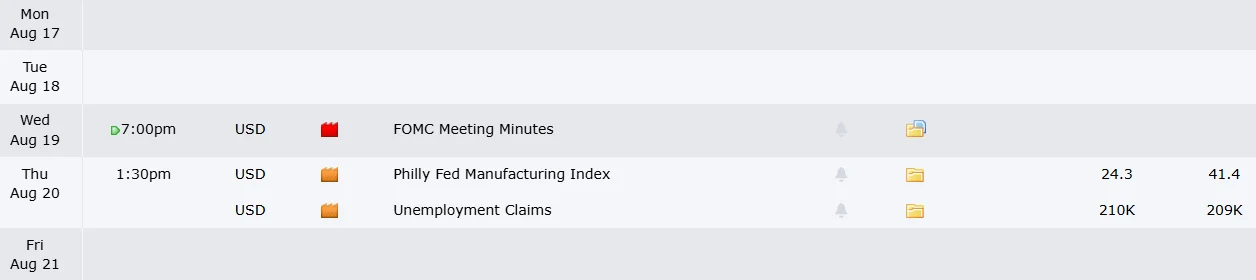
The Federal Reserve’s July policy meeting transcript releases Wednesday, offering market participants visibility into central bank deliberations regarding interest rate policy.
The post Major Retailers Set to Report Earnings as Consumer Spending Shows Strain appeared first on Blockonomi.





