TL;DR
China is reportedly preparing to launch yuan-pegged stablecoins as part of a broader strategy to boost the renminbi’s global role. According to recent reports, the State Council will unveil a roadmap later this month outlining how these digital assets could be deployed to challenge the dominance of the US dollar in cross-border transactions. Hong Kong and Shanghai are expected to serve as pilot regions for the initiative.
This action signifies a significant shift in China’s position regarding digital assets. After banning all cryptocurrency activities in 2021, Beijing is now exploring state-backed stablecoins to counter the overwhelming presence of dollar-backed tokens, which currently hold over 99% of the market. The plan includes clear targets for renminbi adoption, regulatory responsibilities, and risk management protocols.
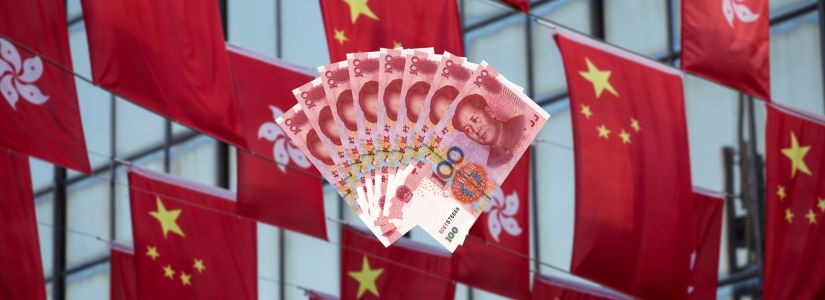
Despite the ambition, significant hurdles remain. China’s strict capital controls limit the free flow of funds across borders, and the renminbi accounts for only about 2.9% of global payments, according to SWIFT data. These constraints could slow the currency’s international uptake. However, leveraging Hong Kong’s established financial infrastructure as a regulatory sandbox may help overcome some of these barriers.
China’s stablecoin initiative unfolds against a backdrop of intensifying regional competition. South Korea and Japan are also developing their own digital currency projects to strengthen their currencies’ positions in the global market. The yuan-based stablecoins could be showcased at the upcoming Shanghai Cooperation Organization summit in Tianjin, signaling China’s intent to position itself at the forefront of a digital currency race with the West.
If successful, the introduction of yuan-backed stablecoins would represent China’s most significant digital currency development since the launch of the e-CNY. It would also demonstrate a strategic use of blockchain technology to enhance the renminbi’s appeal in global trade and finance. The ultimate impact will depend on political will, regulatory execution, and the willingness of international markets to embrace a Chinese alternative to dollar-backed assets.