TL;DR:
Senator Elizabeth Warren sent a letter to Meta’s CEO, Mark Zuckerberg, demanding information about the company’s plans to integrate a third-party stablecoin into its social media ecosystem before the second half of 2026. In her role as ranking member of the Senate Banking Committee, Warren warned that the initiative could jeopardize financial stability, user privacy, and the integrity of the payments system on a global scale.
According to the letter, Meta is currently conducting a “small and focused” pilot with a third-party stablecoin as a trial run ahead of a potential launch. Warren recalled that this would be the company’s second foray into stablecoins, and noted that the Libra project of 2019 faced fierce bipartisan opposition from legislators, regulators, and international financial authorities.
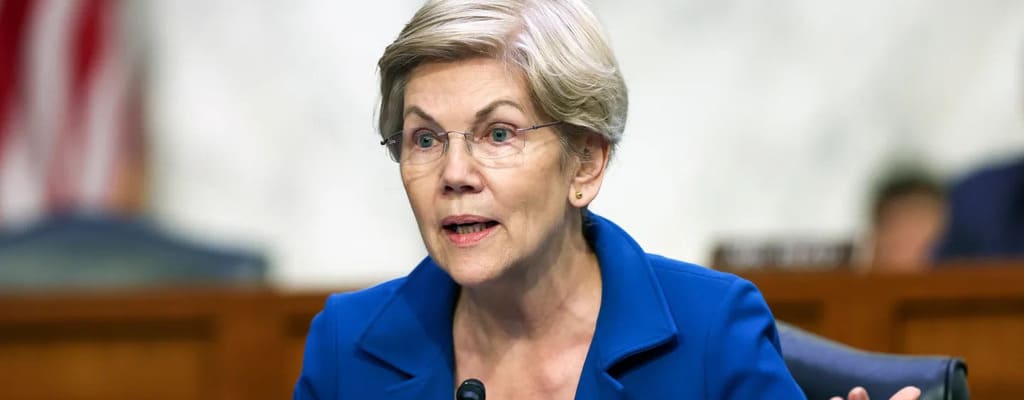
The senator argued that a successful implementation of Libra would have allowed the company to harvest transaction data for its advertising business and operate, in practice, as a private central bank. She also contended that in the event of a run on the currency, taxpayers would have had to back the system.
Warren criticized Meta for having declared before Congress in June 2025 that it had no plans to issue its own stablecoin, without disclosing its commercial relationships with external issuers or possible modifications to its MetaPay wallet. The senator described the omission as an example of the company’s lack of transparency and stated that its track record of anticompetitive practices and its tendency to prioritize profitability over privacy justify skepticism toward any expansion into financial services.

According to the Stablecoin Utility Report 2026, 54% of cryptocurrency users across 15 countries used stablecoins over the past year. The total supply of dollar-pegged coins surpassed $303 billion; Tether’s USDT stands at $189.7 billion and Circle’s USDC reached $79 billion.
Matt Hougan, CIO of Bitwise, argued that pilots from companies like Meta and DoorDash could push the total stablecoin supply to $4 trillion by 2030, highlighting the simplicity of using a single wallet address to make micropayments without relying on traditional banking infrastructure.





