TL;DR
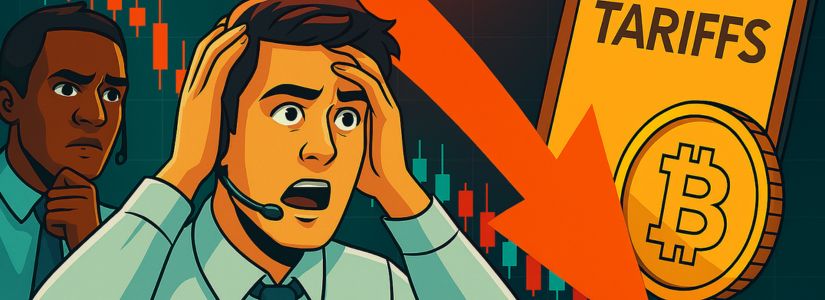
The crypto market endured one of its most dramatic downturns of 2025 after President Donald Trump unveiled a sweeping 100% tariff on Chinese software imports. The announcement sent shockwaves through global markets, with Bitcoin and major altcoins plunging in a matter of hours. Analysts and traders remain divided over whether the crash was a necessary purge of speculative excess or simply a panic amplified by leverage and fear.
Trump’s tariff declaration on October 10 rattled equities and digital assets alike. The S&P 500 fell more than 2%, while Bitcoin dropped 8.4% to $104,782. Ethereum and other altcoins suffered even sharper declines, some losing up to 40%. Data showed over $16 billion in long positions liquidated across exchanges, impacting 1.6 million traders. On Hyperliquid alone, 6,300 wallets lost $1.2 billion, cementing the event as one of the largest liquidation waves in crypto history.
Speculation quickly turned to the role of whales. Reports circulated of an anonymous trader who pocketed $88 million in just 30 minutes by shorting Bitcoin ahead of Trump’s speech. While some suspected insider knowledge, analysts argued that cascading liquidations and thin liquidity were more plausible drivers. The narrative of whales orchestrating the crash gained traction online, but no evidence has confirmed coordinated manipulation.
Santiment data revealed retail investors overwhelmingly pointed to Trump’s tariffs as the sole cause of the crash. Analysts, however, highlighted structural weaknesses: excessive leverage and a heavy long bias. Roughly $16.7 billion in longs were liquidated compared to $2.5 billion in shorts, a 7-to-1 imbalance. The Crypto Fear & Greed Index collapsed from 64 to 27, its lowest in half a year, underscoring shaken confidence.
The outlook now hinges on US-China relations. If upcoming Trump-Xi talks ease tensions, optimism could return, and long-term holders may re-enter. Yet further escalation risks pushing Bitcoin below $100,000, a level many traders fear. Analysts stress that crypto’s reaction mirrors broader risk assets during geopolitical stress, leaving markets braced for heightened volatility in the weeks ahead.