TLDR
Traditionally, cryptocurrencies have been known as the “fiat killer,” but this narrative is seemingly shifting. Coinbase CEO Brian Armstrong recently defended the relationship between Bitcoin and the US dollar, stating that it is actually a case of mutual strengthening.
According to the executive, the pioneer cryptocurrency acts as an external check on US fiscal behavior, forcing policymakers to manage budgets more responsibly to maintain global confidence.
This shift in the landscape suggests that Bitcoin does not thrive solely on the weakness of the traditional financial system. On the contrary, in an environment of growing deficits, the existence of an alternative monetary system generates necessary accountability during periods of inflation.
Armstrong maintains that the greenback’s reserve currency status depends on aligning inflation with economic growth, and that Bitcoin and the US dollar can work together to achieve that stability.
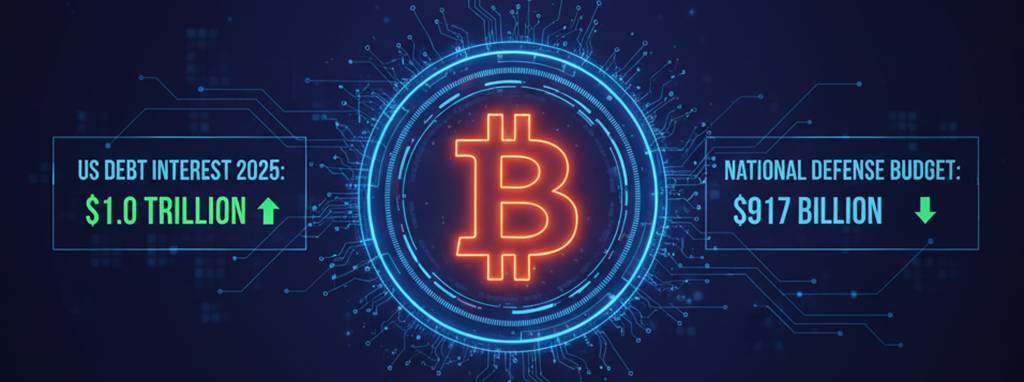
Current figures support the sector’s concerns. This year, US national debt interest payments reached record levels, even surpassing the national defense budget. Given this scenario, the executive suggests that modern financial infrastructure, integrated with digital assets, is capable of drastically improving transparency on government balance sheets.
This stance aligns with the efforts of Senator Cynthia Lummis, who promotes a strategic Bitcoin reserve to bolster national solvency. Similarly, leaders like Michael Saylor argue that digital capital reinforces sovereign balance sheets rather than eroding them. The industry has moved away from presenting itself as a disruptive rival to showing itself as a vital complement.
Ultimately, the future of Bitcoin and the US dollar appears linked to technological innovation and the ability of regulators to allow monetary competition to drive a necessary reform in public finance.