TL;DR:
The U.S. House of Representatives shortened its legislative calendar for the second half of September 2026, an institutional decision that leaves the CLARITY Act with a narrow window for final passage ahead of the midterm elections.
HOUSE SEPT SESSION ONLY 1 WEEK
House republican leadership has canceled votes for the weeks of sept 21 and sept. 28. the house will return sept 14 for 4 days, then leave washington until after the midterms
*this makes it extremely unlikely CLARITY can pass before midterms*
— Alex Thorn (@intangiblecoins) September 3, 2026
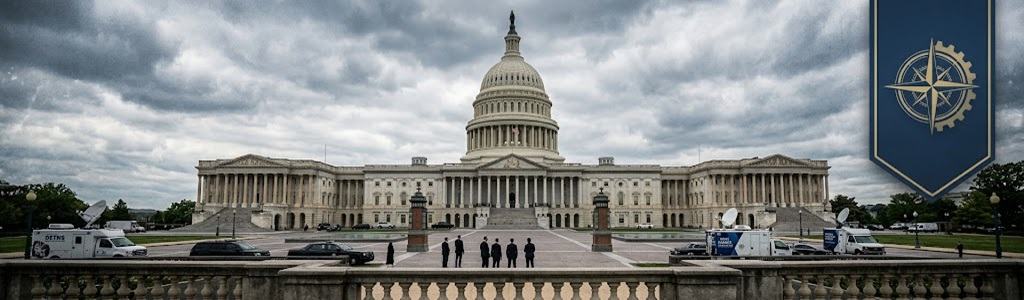
The official schedule establishes that lower chamber lawmakers will resume activity after Labor Day and remain in session until September 17. Following that date, the House will enter an extended recess lasting until mid-November, after the midterm elections on November 3, 2026.
The move directly clashes with the Senate’s timeline. Upper chamber leadership scheduled the procedural cloture vote for September 15 to formally proceed to debate on the bill.
A market report indicates that this vote does not represent final passage of the proposal. The outlet’s analysis points out that clearing this procedural hurdle would only trigger the formal plenary debate on amendments among senators.
The draft under review in the Senate incorporates substantive changes compared to the version previously passed by the House of Representatives. Key modifications include ethics restrictions designed to bar federal officials and their families from issuing or promoting digital assets.
Banking regulations represent the second major point of parliamentary contention. The Senate draft prohibits paying passive yields simply for holding payment stablecoin balances, though it allows certain reward structures tied to transactional activity.
According to analysis by Bloomberg Intelligence, traditional lenders argue that stablecoin yields compete unfairly with insured bank deposits. Data released by crypto industry representatives indicates that curbing these incentives could limit competition against conventional financial services.
If the Senate passes an amended bill, the House of Representatives must either vote to concur with those exact amendments or convene a bicameral conference committee.
Congressional legislative data indicates that the overlapping timeline leaves a window of barely 48 hours between the Senate vote and the House’s adjournment. The CoinGape report points out that any extension of the Senate’s amendment period would push resolution of the regulatory framework into the lame-duck session between November and December 2026.
Across decentralized prediction markets, traders responded to the calendar adjustment. As of September 3, 2026, the contract tracking the bill’s enactment on Polymarket had accumulated over $7.2 million in trading volume, pricing in a 17% probability—down from the 20% registered in late August.
Concurrently, federal regulatory agencies continue to pursue independent administrative pathways. In August 2026, the Securities and Exchange Commission (SEC) published its proposed framework dubbed “Reg Crypto,” a mechanism crafted to allow sector firms to conduct capital raises under structured disclosure requirements.
On September 14, 2026, SEC Chairman Paul Atkins will deliver the closing address at the Solana Summit DC in Washington, just one day before the Senate formally opens voting on the bill’s procedural motion.





