The US has lifted its blockade of the Strait of Hormuz after a memorandum of understanding with Iran took effect this week, ending a conflict that began in late February. Ships carrying nearly 10 million barrels of oil are now moving through the strait, including the first Saudi-owned tankers since the war started.
US Vice President JD Vance confirmed the 60-day negotiating clock has started. During this period, both sides will work toward a permanent deal covering Iran’s nuclear program.
Brent crude fell to around $80 a barrel this week, down from close to $95 when the conflict was at its peak. Before the war began, oil was trading near $70 a barrel.
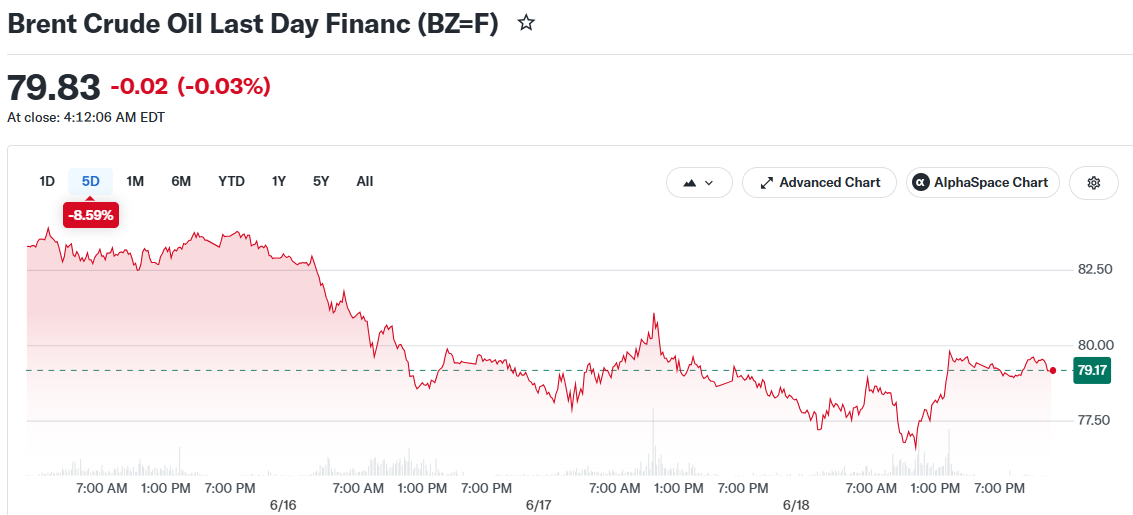
Energy traders say it could take months for oil and liquefied natural gas flows through Hormuz to return to normal levels. The strait handles roughly a fifth of the world’s oil and LNG supplies.
Despite the drop, oil is still up about 30% for the year. Kuwait said it will begin ramping up production following the deal.
Planned peace talks in Geneva on Friday were cancelled after Vance pulled out of the trip to Switzerland. Switzerland’s foreign ministry confirmed the delay and said it remains ready to host future talks.
Iranian media reported that Tehran wanted more proof the US was following through on the deal before committing to the next round of negotiations. Israel’s ongoing strikes on Hezbollah in Lebanon were also cited as a sticking point.
The 14-point memorandum calls for an immediate halt to hostilities, sanctions relief for Iran, and free passage through the strait for 60 days. Iran will hold talks with Oman on the future administration of the waterway.
Many nuclear experts say 60 days is too short to resolve the technical details of a nuclear agreement. The 2015 nuclear deal took nearly two years to finalize.
Trump told Axios the deal amounts to Iran’s “unconditional surrender,” and said he signed it to prevent a global economic disaster. “That’s the kind of thing that could cause a worldwide depression,” he said, referring to a prolonged closure of the strait.
Some Republican senators have pushed back, arguing the deal gives Iran too many financial concessions. Mississippi Senator Roger Wicker called the $300 billion reconstruction fund for Iran far more generous than the 2015 Obama-era deal.
Israel has also distanced itself from the agreement and is not part of the talks. Vance warned Israeli officials against criticizing the US, calling it Israel’s only remaining powerful ally.
Central banks have responded to the energy shock. The European Central Bank and Bank of Japan raised rates. The Federal Reserve and Bank of England held steady but signaled readiness to act.
Maritime intelligence group Windward recorded 18 strait transits on June 17-18, the highest count since the conflict began.
The post Strait of Hormuz Reopens: What the US-Iran Peace Deal Means for Oil Markets appeared first on CoinCentral.





