U.S. Central Command said it completed a new wave of offensive strikes against Iran on Sunday evening. The strikes were aimed at degrading Iran’s ability to attack commercial ships moving through the Strait of Hormuz.
The US launched fresh missile attacks against Iran over the weekend in what has become a pattern of strikes and counterstrikes by Washington and Tehran.
Both sides also issued conflicting declarations over whether the Strait of Hormuz is open https://t.co/rjPfgF0Omk pic.twitter.com/rNb9UpK5Eq
— Bloomberg (@business) July 13, 2026
Over three days, the U.S. hit more than 300 Iranian military targets. The latest round hit dozens of targets across multiple locations inside Iran.
The campaign escalated after Iran attacked the Cyprus-flagged container ship M/V GFS Galaxy. The U.S. struck around 140 targets on Saturday alone in response.
U.S. Defense Secretary Pete Hegseth posted on X: “Iran made a poor choice. Now they pay.”
Iran retaliated with strikes on U.S. and allied military facilities across the Gulf. The UAE said it intercepted Iranian missiles and drones. Warning sirens went off in Bahrain, and explosions were reported in Doha.
Iran’s Islamic Revolutionary Guard Corps said it also disabled a second vessel in the Strait of Hormuz.
Oil prices climbed more than 3% on Monday. Traders are concerned about disruptions to supply in one of the world’s most important shipping routes.
About one-fifth of the world’s oil passes through the Strait of Hormuz. Any sustained blockage could push fuel prices higher globally.
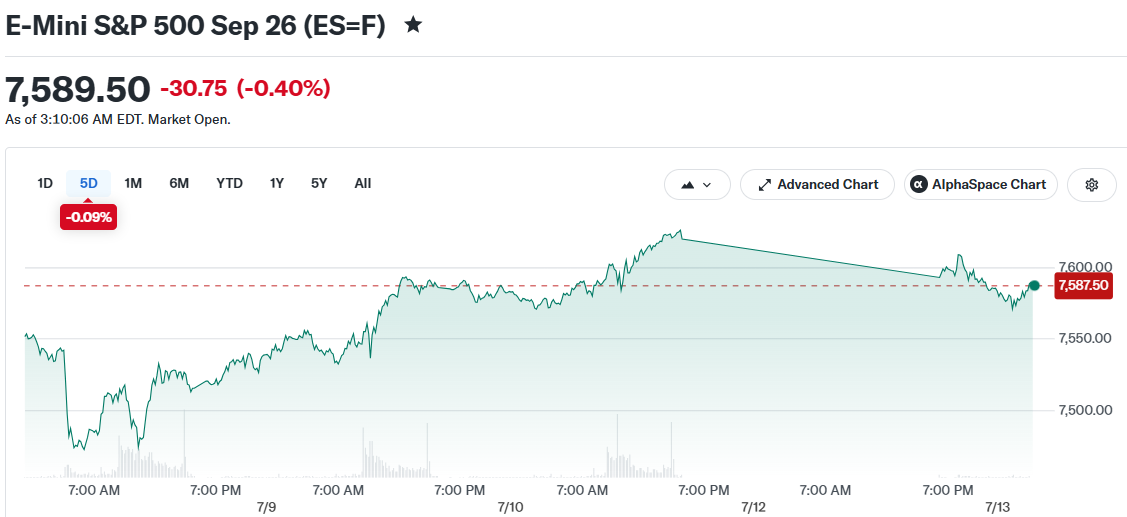
Stock futures fell following news of the fresh strikes. U.S. markets are closely watching events in the Gulf.
Rising fuel prices are becoming a political problem for President Trump ahead of November’s congressional elections.
Marine Traffic data showed only a small number of vessels currently moving through Hormuz.
Iran declared the Strait closed “until further notice,” saying it would remain shut until the U.S. ended its interference in the region. The IRGC warned any retaliation would bring a “severe response.”
President Trump stated on Sunday that Hormuz remained open to commercial shipping, directly contradicting Iran’s position.
Behind the scenes, Iran’s Foreign Minister met with Oman’s Foreign Minister in Muscat. Oman said negotiations would continue at political and technical levels.
Iran said any future arrangements for Hormuz should be decided by the two states bordering the strait.
Iran’s new Supreme Leader Ayatollah Mojtaba Khamenei vowed to avenge his father’s death. Trump warned the U.S. military was prepared for a “massive response” if Iran attempted to assassinate him.
Iran accused the U.S. of violating a recent ceasefire agreement. Washington says it will not resume broader talks until Tehran guarantees safe passage for commercial ships.
The post U.S. Strikes Iran Again as Oil Prices Surge and Stock Futures Fall appeared first on CoinCentral.





