This week, Wall Street shifts focus from inflation data to the retail sector, with earnings from some of America’s biggest stores set to reveal how consumers are really holding up.
Walmart reports Thursday morning. The retail giant previously flagged that shoppers appear to be “navigating financial distress,” pointing to changes in gas-buying habits. The company cut prices in response and investors will be watching to see if that strategy is paying off.
#earnings for the week of August 17, 2026https://t.co/hLn2sKQhEY$WMT $ADI $BABA $TGT $HD $BIDU $BILL $HTHT $KLAR $TJX $LOW $ROST $AAP $AUNA $EL $DE $KEYS $BJ $YMM $NTES $SQM $ZTO $FUTU $AS $ATHM $BULL $BEKE $COTY $FLO $FN $FUFU $ZIM $WB $XP $PRE $VIK $JKHY $KC $FLXS $NSPR… pic.twitter.com/78bNHFW8Ao
— Earnings Whispers (@eWhispers) August 14, 2026
Target reports Wednesday. The chain posted same-store sales growth last quarter for the first time in over a year. But CFO Jim Lee has warned that weak consumer confidence could slow its momentum going forward.
Home Depot reports Tuesday. The home improvement retailer posted strong numbers last quarter but missed same-store sales targets. Americans have been delaying big home improvement projects, pushing stores to focus more on professional contractors.
The University of Michigan’s consumer sentiment survey showed Americans grew more pessimistic in August. The decline was sharpest among older consumers, lower-income households, and those without college degrees.
Only 8% of survey respondents expect their income to grow faster than inflation over the next year. Retail sales fell 0.6% month over month in July, worse than the 0.1% gain analysts expected.
Inflation data from the Bureau of Labor Statistics showed only moderate improvement. That was enough for traders to pull back on bets the Fed would raise rates in September, with markets now pricing about 70% odds of no move.
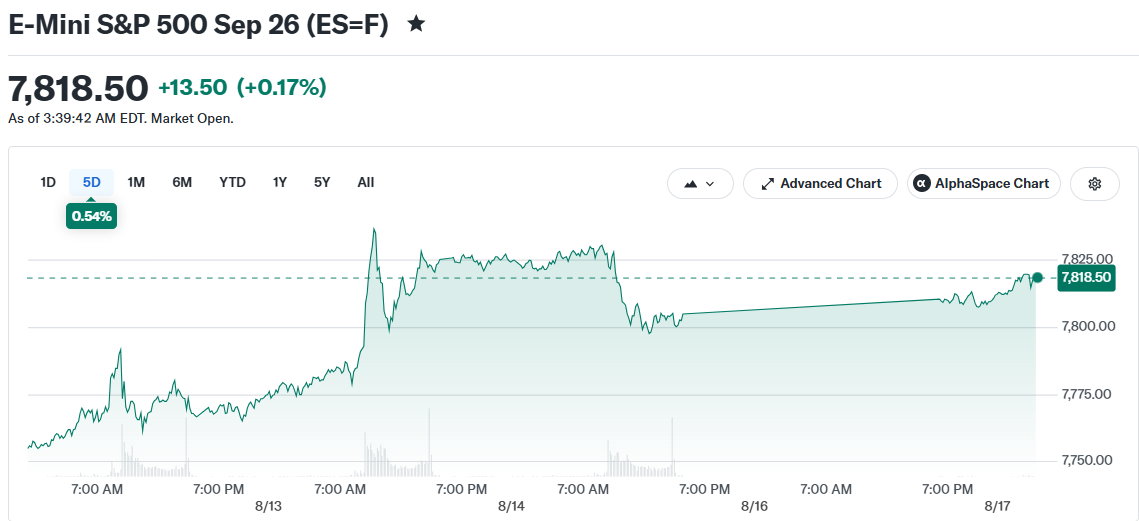
The S&P 500 finished last week up 0.4%. The Nasdaq rose 0.6%. The Dow fell 0.6%.
Also reporting this week: Lowe’s on Wednesday, Ross Stores and Deere and Company on Thursday, and BJ’s Wholesale Club on Friday. Alibaba and Baidu are also on the calendar.
Away from retail, the AI infrastructure story continues to develop. Goldman Sachs now estimates global AI data center spending could reach $1 trillion in 2026. JPMorgan puts the US figure at $697 billion. Bank of America sees a path toward $1.2 trillion by 2027.
But analysts say money alone will not be enough. Chip shortages persist despite new manufacturing investment. Skilled construction labor is in short supply. Regulatory pushback is growing, including a one-year moratorium in New York and a power audit in Texas.
Bloomberg New Energy Finance estimates a 19-gigawatt power shortfall for AI data centers by 2035 at current growth rates. One analyst noted utilities may approve only 28% of power requests, partly because of multiple “phantom” applications filed by data center operators.
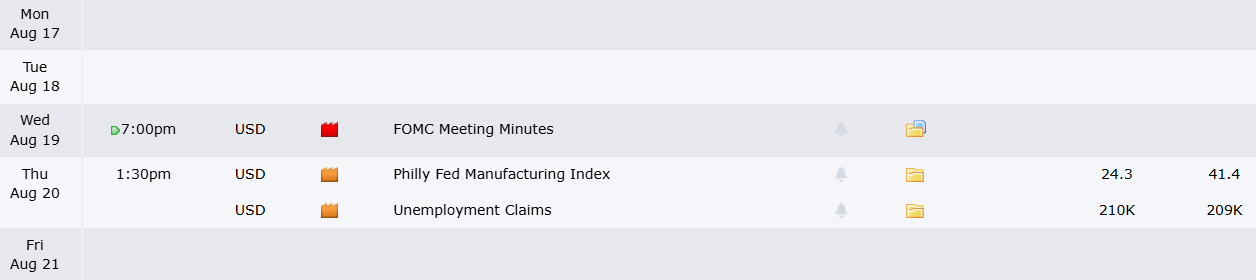
The Federal Reserve’s July meeting minutes are due Wednesday, giving investors a look at how policymakers are thinking about rates.
The post The Week Ahead: Walmart, Target and Home Depot Earnings Test Consumer Spending appeared first on CoinCentral.





