XRP has been one of crypto’s most debated assets for years. Supporters point to real-world utility in global payments. Critics point to heavy reliance on Ripple as a company and unresolved questions about how the token actually captures value. After a major legal resolution and growing network data, the picture is clearer — but not entirely simple.
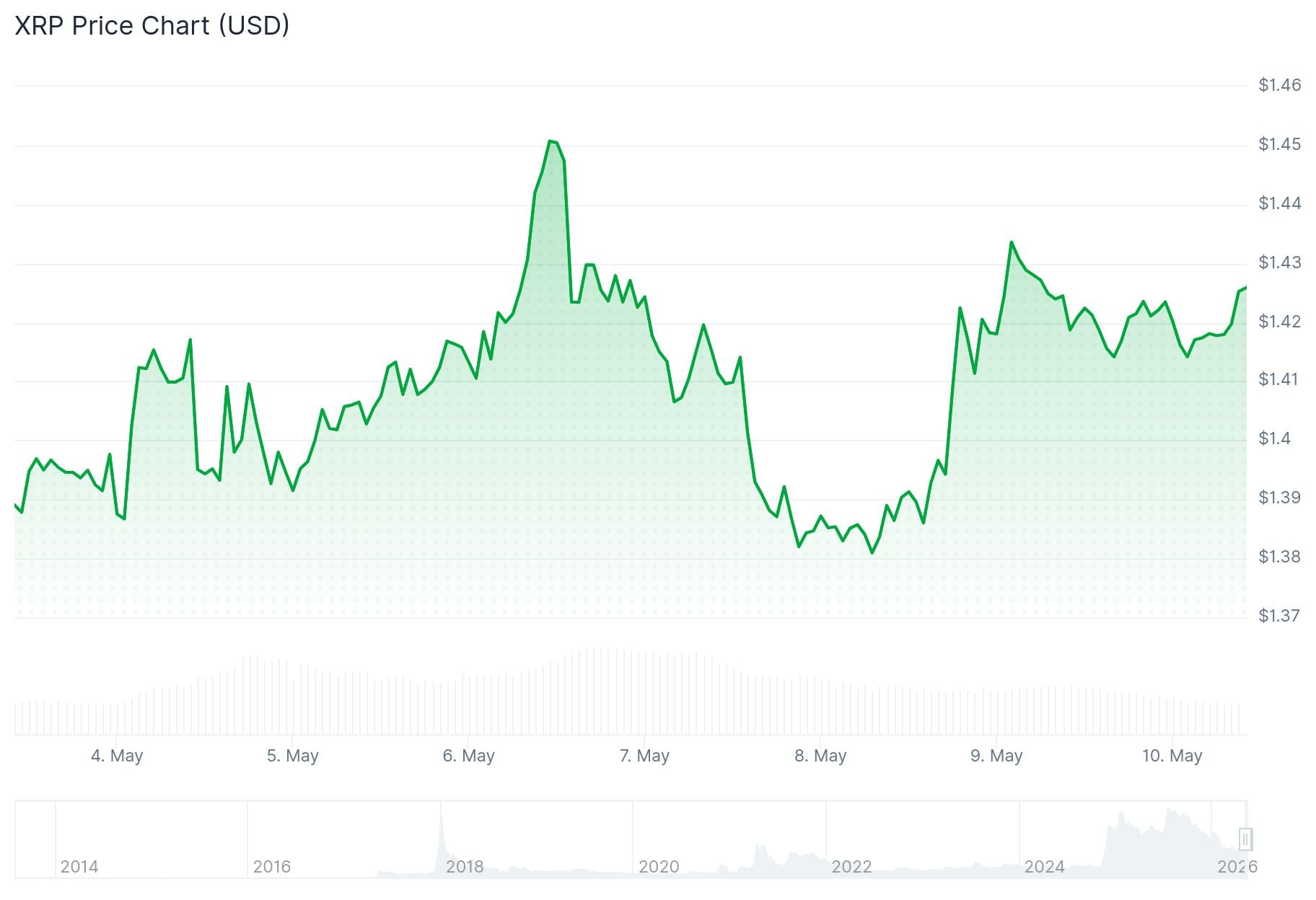
XRP is the native asset of the XRP Ledger, a public blockchain running since 2012. The network settles transactions in three to five seconds at low cost. XRPSCAN recently recorded more than 1.2 million daily transactions, and Ripple confirmed daily transactions reached 3 million on March 15, 2026. That is real, measurable activity.
The legal overhang that weighed on XRP for years is now gone. Reuters reported in August 2025 that the SEC case against Ripple formally ended. Ripple paid a $125 million fine. The court’s core ruling — that XRP sales on public exchanges were not securities transactions — was left intact, though certain institutional sales did violate securities laws. That outcome removed one of the biggest risks for XRP holders.
CoinGecko data shows roughly 62 billion XRP in circulation, with a market cap around $88 billion. XRPSCAN shows approximately 33 billion XRP still held in escrow. Ripple’s escrow system is transparent, and unused tokens are generally re-escrowed. But the controlled supply is large, and the market is aware of it.
That does not make XRP a broken asset. It does mean scarcity is not a core part of the investment thesis the way it is with Bitcoin.
Ripple’s payments products now offer customers a choice: settle using XRP or use stablecoins like RLUSD. That flexibility helps Ripple win business. But it also raises a fair question — if Ripple’s ecosystem grows through stablecoins and tokenized assets without requiring much XRP, who benefits most?
XRP also faces pressure from bank settlement systems, other blockchains targeting payments, and stablecoins broadly. Some of that competitive pressure comes from inside Ripple’s own product lineup.
On March 15, 2026, the XRP Ledger recorded 3 million daily transactions — its highest verified figure in recent data. That remains the most current data point on network activity.
XRP is in a stronger position than it was two years ago. The legal case is closed, the network is active, and Ripple continues to build. The open questions around supply and value capture are real, but they are known and documented. For investors, XRP is not a mystery — it is a large-cap crypto asset with clear strengths and clear limitations.
The post Ripple XRP Deep Dive: Is This Payments Token Still a Smart Long-Term Investment? appeared first on CoinCentral.





