Two markets moved in opposite directions on the same headline. As the United States and Iran confirmed a peace deal to end their nearly four-month war and reopen the Strait of Hormuz, crude oil tumbled to a three-month low — while Bitcoin and the entire top 10 crypto market posted a green week. The reason is the same for both: the single biggest geopolitical risk premium weighing on global markets is finally unwinding.
Here's the full breakdown of the oil crash, the latest US–Iran war developments, and how the top 10 cryptocurrencies performed over the past 7 days.
The de-escalation hit energy markets hard. US crude oil closed down 4.8% to $80.75 per barrel, while international Brent crude fell 4.7% to $83.17 — the lowest closing prices for both benchmarks since the first week of March, right after the war began.
The slide was not a one-day event. Oil had already tumbled more than 6% over the prior week in anticipation of an agreement, meaning the market front-ran the news before the official confirmation even landed. Heating oil, a proxy for jet fuel, dropped more than 3.5%, and wholesale gasoline fell more than 2.5%.
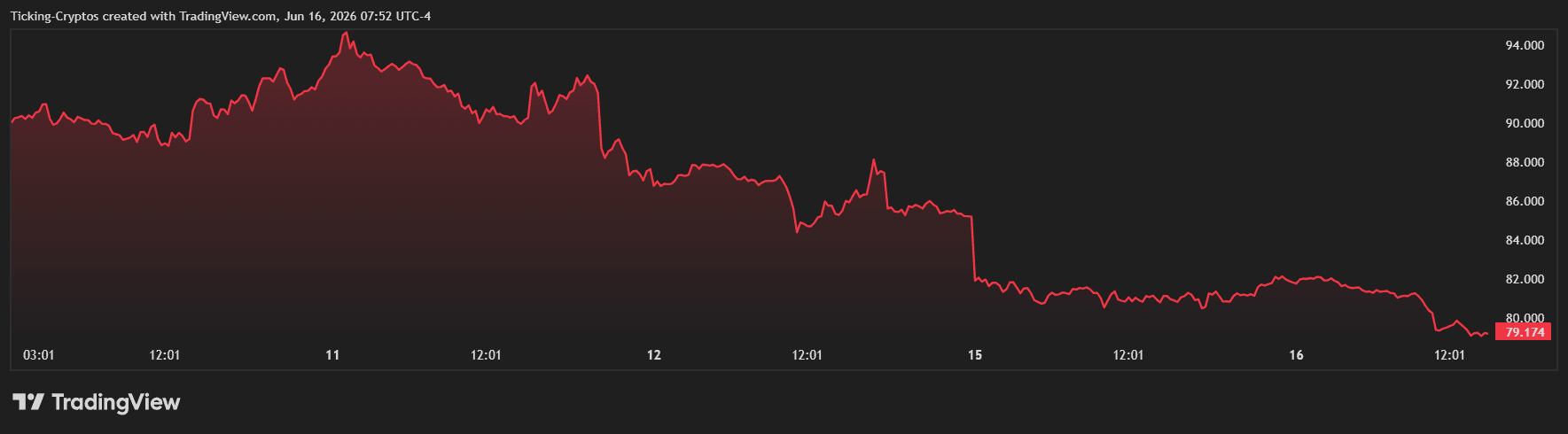
The catalyst is the Strait of Hormuz. Roughly 20% of the world's oil supplies passed through the strait before tanker traffic collapsed in early March, and its closure triggered one of the largest oil supply shocks on record. With Trump authorizing the toll-free reopening of the strait and lifting the US naval blockade, traders are pricing in the return of Gulf energy flows.
**CFDs are complex instruments and come with a high risk of losing money rapidly due to leverage. 74% of retail investor accounts lose money when trading CFDs with this provider. You should consider whether you understand how CFDs work and whether you can afford to take the high risk of losing your money.
The diplomatic picture firmed up over the weekend but still carries open questions:
The takeaway: the framework is in place and markets are treating it as real, but the June 19 signing in Switzerland is the event that converts intention into commitment. Until then, expect headline-driven volatility in both energy and risk assets.
While oil sank, crypto climbed. The lifting of the geopolitical overhang pushed risk appetite back into digital assets, with every major name green over the trailing 7 days. Here's how the top 10 (excluding stablecoins Tether and USDC) performed:
The pattern is textbook risk-on rotation: the higher-beta, more speculative names (SOL leading at +4.62%) outperformed the steadier large caps (BTC, ETH, BNB), while the broad-market index of the top 20 climbed roughly 5% on the week.
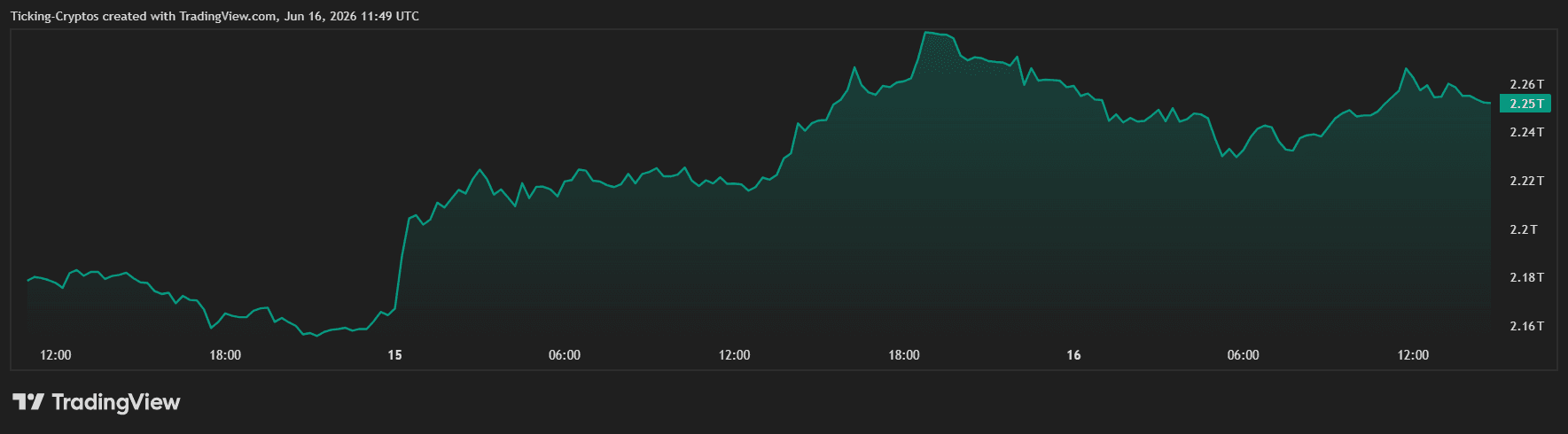
The oil-down, crypto-up split tells a single story: markets are repricing a world with less war risk. Cheaper energy eases inflation pressure at the margin, a lifted naval blockade restores global trade flows, and the removal of the geopolitical premium frees up risk appetite for assets like Bitcoin that sold off hardest during the conflict.
But this is a relief rally built on an agreement, not yet a signature. Three things to watch into the week ahead:
For now, the message from both markets is aligned: the war premium is coming out, and risk assets are breathing again.





