We love shortcuts. That’s part of being human. But what happens when the shortcut becomes the default? What if the tool we rely on begins to quietly dull the very skills that define us?
I had a clash with a senior colleague recently. I use ChatGPT a lot — to spell-check, summarize, structure emails, even draft thoughts already clear in my mind. For me, it’s like any other tool that helps smoothen my workflow. But he hit me with a line that stuck: “You’ve just stopped thinking.”
That comment hit a nerve. Because maybe — just maybe — he wasn’t entirely wrong.
Generative AI tools like ChatGPT and Gemini are incredibly powerful. I can feed them a research paper and get a summary in seconds. I can restructure a clumsy draft into a polished email instantly. It feels like magic. But that ease may come at a cost I didn’t notice at first.
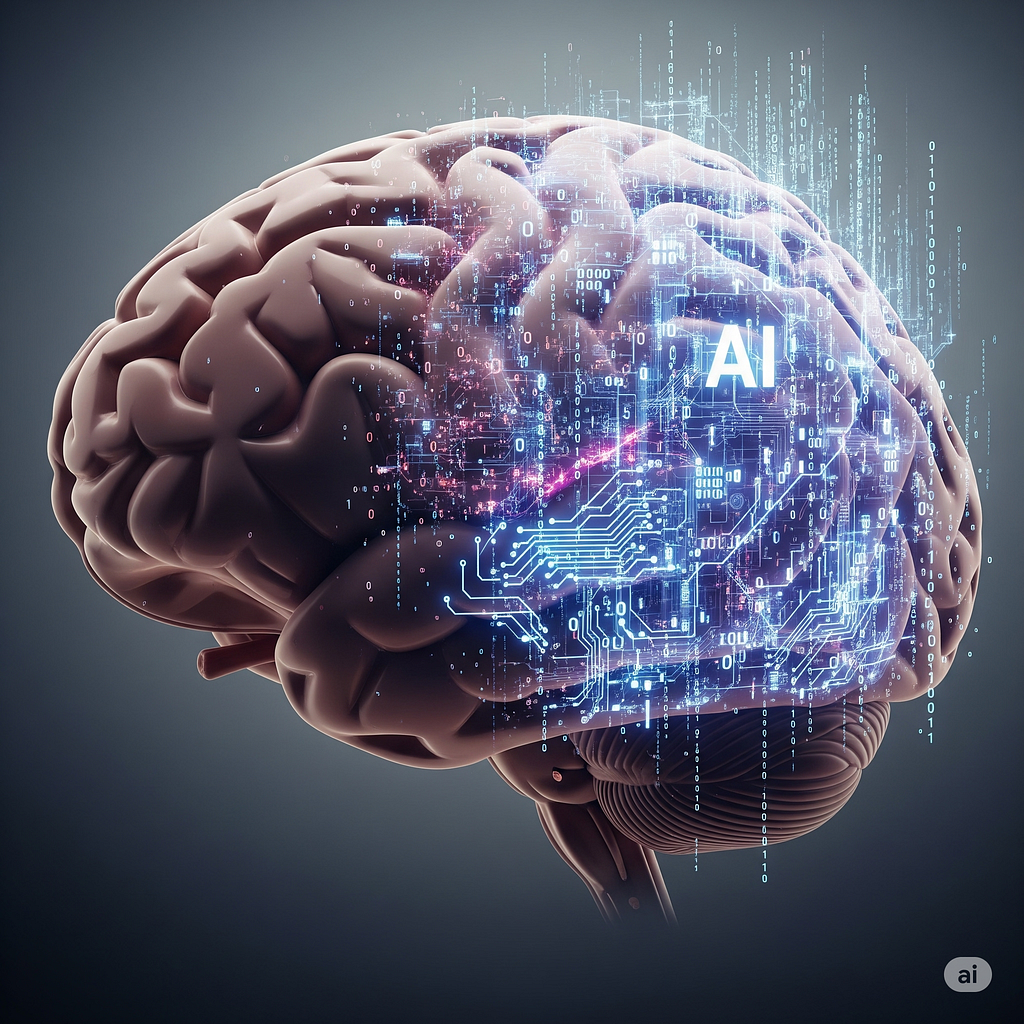
Recent research suggests AI use doesn’t just change how we work — it changes how we think. One MIT study showed that people who relied on AI during cognitive tasks had up to 55% less neural activity in areas tied to memory and critical thinking. Their brains were basically cruising.
Even more surprising? When asked to quote or recall parts of essays written with AI help, most participants couldn’t. The ideas didn’t stick. I’ve felt that myself. Sometimes I look at something I “wrote” with AI, and it doesn’t even feel like mine. Teachers in the study described these AI-assisted essays as grammatically clean but “soulless,” often sounding eerily similar. The personal voice? Gone.
And that’s the shift I fear: from active thinker to passive editor.
Cognitive offloading isn’t new. We all use calculators or set reminders. But AI goes further. It doesn’t just support thinking — it starts doing it for you.
And that has consequences. I’ve noticed how easy it is to accept AI answers without question. It’s fast, confident, and sounds right. But AI can be wrong, biased, or completely fabricated. If we get too comfortable, we stop questioning. Our brain takes the back seat.
This creeping habit has a name: intellectual passivity. We lose sharpness not from lack of ability, but from disuse.
I’m part of a generation that still remembers how to research, explore, and get lost in Wikipedia spirals. We grew up with Google — you had to search, click, read, and filter. You still had to think.
But now? Many younger users start directly with ChatGPT. Ask, get, move on. It’s efficient, but I can’t help but worry: what skills are we skipping over?
A study by Michael Gerlich at SBS Swiss Business School found that people aged 17–25 scored significantly lower on critical thinking than older generations. It’s not a coincidence. If you never had to strain the muscle, you never learned how to use it.
Here’s a metaphor I keep coming back to: Google is like walking to a well and drawing your own water. You learn the process. AI? It hands you a glass of filtered water with a straw. Convenient, sure. But you never get your hands dirty.
And when the system breaks, or when life throws problems the AI can’t solve? You’re unprepared.
Despite all this, I don’t want to give AI up. It is useful. One study showed that users of large language models are up to 60% more efficient. I get more done. I write faster. I find clarity quicker.
So how do I use it without losing myself?
Here’s what I’ve started practicing:
Critical thinking, as Professor Michelle Miller says, isn’t a fixed trait. It’s contextual. It must be practiced, challenged, and refreshed regularly. That’s what I’m trying to do.
This isn’t just personal. It’s collective. Tech companies need to take responsibility for how these tools shape our minds. Educators need to rethink what they’re teaching — not just with AI, but around it.
And for those of us using AI daily? We have to remember that convenience isn’t the same as intelligence. AI is a tool. The moment I let it think for me instead of with me, I’ve lost the plot.
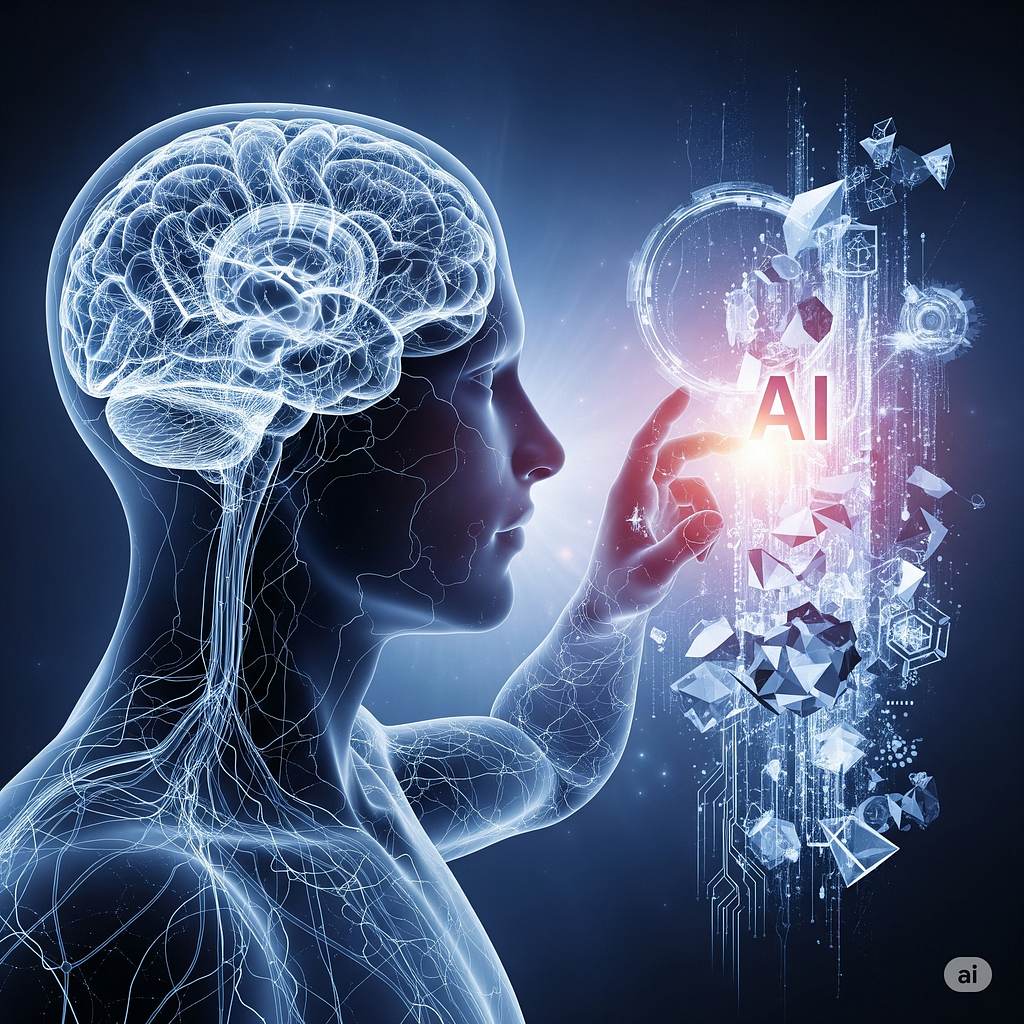
We’re not losing to AI. But we might be losing touch with what it means to think. That, to me, is the real danger.
Let the machine be powerful. But let your mind stay alive.
Is AI Quietly Making Humanity Dumber? was originally published in Coinmonks on Medium, where people are continuing the conversation by highlighting and responding to this story.





