After more than two decades as the world's most closely watched private company, SpaceX is going public. The stock begins trading on the Nasdaq on June 12, 2026, under the ticker SPCX, with 555.56 million Class A shares offered at a targeted IPO price of $135. SpaceX set that fixed price of $135 per share, putting the valuation at roughly $1.77 trillion — which would make Elon Musk's firm the seventh-biggest company in the U.S., ahead of Tesla.
The scale is unprecedented. The offering aims to raise about $75 billion, with underwriters holding a 30-day option to buy up to an additional 83.3 million shares at the IPO price. By deal size, that makes it the largest IPO in market history — comfortably topping Saudi Aramco's 2019 record.
One detail makes this IPO unusually accessible. SpaceX set aside about 30% of its public shares for everyday retail investors instead of the usual 5% to 10% — which is why brokerage apps suddenly have a "request shares" button for a company that stayed private for 24 years.
The number rests heavily on one division: Starlink. SpaceX operates across launches, Starlink connectivity, and AI, with Starlink generating roughly 61% of total 2025 revenue. The company generated $15 billion to $16 billion of revenue in 2025, which implies a valuation of roughly 109x to 116x trailing revenue.
That multiple is the heart of the debate. At $1.75 trillion, SpaceX would trade at around 100 times its 2025 revenue — a multiple that assumes sustained exceptional growth across both its launch business and Starlink for years to come. Investors are effectively pricing in years of near-flawless execution, with the main risks being governance concentration, Starship execution, and reliance on government contracts.

Here's where a common assumption needs correcting. Many people expect a stock to crash right after its IPO as early investors cash out — but that's not the typical pattern. The classic IPO dynamic is often the opposite: a first-day "pop," where the stock opens well above its offer price because demand far exceeds the shares available. Sharp drops do happen, but for a heavily oversubscribed deal like this one, an opening price above $135 is the more likely outcome. In fact, some analysts think it may end up topping $2 trillion or more on its first day.
A few things worth knowing for the big day:
The honest summary: nobody can predict the first print. Expect a volatile open, a real possibility of a price well above $135, and a known calendar of buying and selling pressures over the following weeks.
Not every platform offers the same thing. Two of the three below give you the actual Nasdaq-listed share; one gives you crypto-native price exposure. Here's how they break down.
XTB is a regulated broker offering access to real SPCX stock on the open market once trading begins. From the first day of trading, SPCX becomes available at brokers giving access to US stocks, including XTB.
What you need to get started: open an account and complete identity verification (KYC). How to fund it: download the XTB app, open an account, then choose your preferred funding method and deposit funds — XTB typically supports bank transfer and card. What to do during the IPO: once SPCX lists, search the ticker and place your order. One reality check: you won't get the $135 IPO price — that's only for investors in the formal bookbuilding process; buying on the open market from June 12 means paying whatever price the market sets, which could open substantially higher.
*Investments carry risks. Trade responsibly.
Bitpanda is a European, Austria-based platform that lets you invest in stocks (including fractional shares), $crypto, ETFs, and more from one app — well suited to beginners who want a straightforward way in without large minimums. Bitpanda is offering SPCX from the very first NASDAQ trading day, at just €1 per trade.
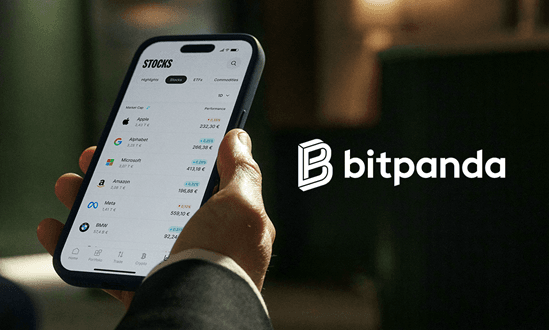
What you need to get started: register and complete verification (KYC). How to fund it: Bitpanda supports bank transfer, card, and several instant-payment methods in EUR. What to do during the IPO: once SPCX goes live on the first trading day, search the ticker and place your order — at €1 per trade, and with fractional investing, you can put in a fixed euro amount rather than buying a whole share if the price opens high.
OKX approaches SpaceX from the crypto side rather than via traditional equity. OKX is launching perpetual futures contracts that track the valuations of high-profile private companies including SpaceX, alongside tokenized stock trading via a link-up with Ondo Finance. This is exposure to SpaceX's price, not ownership of the underlying share — and these products carry leverage, funding costs, and liquidation risk.
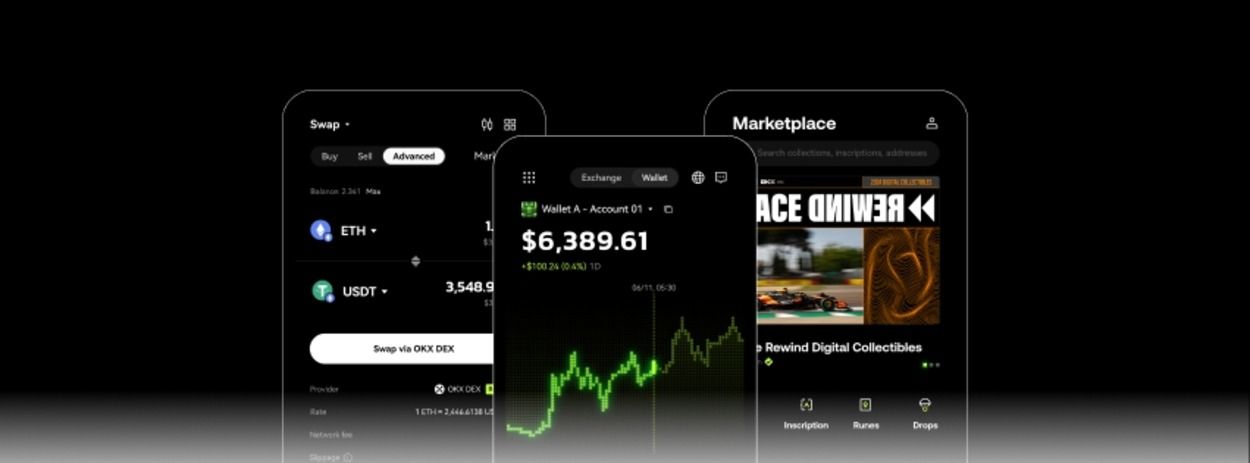
What you need to get started: a verified OKX account with KYC completed. How to fund it: deposit crypto from an external wallet, or buy crypto directly on OKX via card or bank transfer to fund your trading balance. What to do during the IPO: if you want pre-listing or synthetic exposure, you can trade the SpaceX perpetual or tokenized product directly — just understand you're trading a derivative, not a Nasdaq share, and these can diverge sharply from the real price in thin, volatile windows.
The SpaceX IPO is a genuine market milestone — the largest in history, with unusually generous retail access. But the $135 figure is an offer price most readers won't get, the opening days will be volatile, and the three platforms above give you different products: a real share via XTB and Bitpanda, and crypto-native exposure via OKX. Whichever route you choose, only invest what you can afford to lose — buying into day-one hype is one of the higher-risk ways to enter any stock.





