Money moves differently now. Thanks to tech leaps, putting aside cash or borrowing it happens in clicks. Digital swaps happen fast, no waiting around. Smarts built into apps guide choices quietly. Speed keeps rising, no slowdown in sight.
Yet security struggles to keep pace as technology advances.
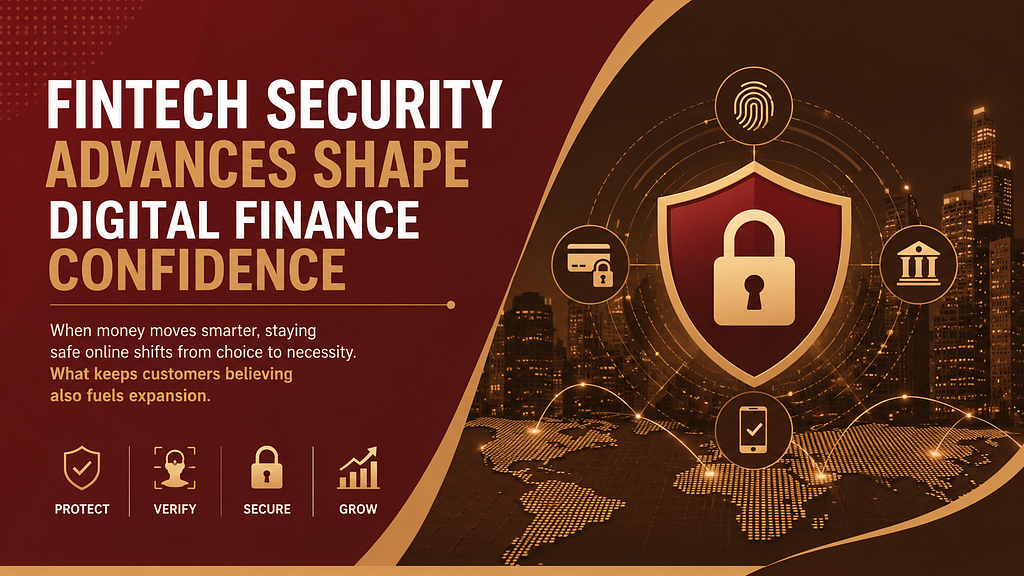
Out of every fresh way to pay, pocketbook app, software hook-up, or bank tool stored online springs a chance, good for users, risky in wrong hands. Fintech stretching across borders means guarding money details now sits near the top of what matters most.
Every day, new financial tech systems handle countless payments across the globe. One break in protection might lead to stolen data, frozen accounts, or lost trust among users
Speed matters now. Convenience too. Yet people still want safety for their details and money. What shifts things? Belief in the brand. That belief pulls ahead when others lag.
Smart money tech firms now ditch old safeguards, instead using sharper methods that act before threats arise. A shift grows quietly, one step ahead of yesterday’s locks and keys.
Some of the most impactful innovations include:
Funny how machines now spot odd actions just as they happen. Sometimes a system notices what feels off without being told. Right away it flags movements that stand out. Often silence follows until something shifts unexpectedly.
Benefits include:
By acting early, companies stop dangers before harm happens, rather than waiting until after an attack strikes.
Inside networks, trusting users by default no longer holds up. People once thought internal access meant safety, that idea fades now. Relying on old trust models cracks under current risks. What felt secure before shows gaps today. Assumptions built on inner-network faith weaken with time.
The Zero Trust Approach Starts With Never Assuming Safety
“Never trust, always verify.”
Key features include:
Fewer openings mean intruders struggle to get through.
Still, passwords sit at the soft edge of digital protection. Though used everywhere, they crack too easily under pressure.
Many fintech platforms are replacing traditional credentials with:
Security gets stronger while people find things easier to use. A better lock means less hassle at the door.
Records stay clear, hard to alter, thanks to blockchain’s design. A system like this shows every change, leaves no room for hidden edits.
Its advantages include:
With more people using it, blockchain now helps protect data in ways that go far beyond digital money. Though built for crypto, its role has quietly shifted toward guarding information online. Growing use reveals strengths few expected at first. This shift did not happen overnight, yet momentum keeps building. New needs pulled it into security spaces where trust matters most.
Facing digital threats means following rules, not only fixing software. A law thing now, because systems need guarding by design.
One by one, banks are starting to follow rules like:
When companies weave compliance into cyber defenses, trust grows along with smoother operations.
Even with fast changes, problems still pop up across the fintech world
Fixing these issues means putting money into tech, people, skills, over time, alongside oversight that keeps pace. It never stops needing attention.
Security shapes tomorrow’s fintech more than speed ever could. Innovation follows trust when risks rise fast.
We can expect increased adoption of:
Success won’t go to the quickest at inventing. It’ll land with whoever builds new things without breaking trust.
Fintech reshaped money matters in ways nobody saw coming, opening doors for companies and people both. Still, new ideas mean trouble if safeguards aren’t built right in.
Trust grows when safety moves faster than threats. Fintech firms who adopt smart defenses, stay ahead of dangers, yet follow strong rules, gain more than tools, they earn confidence. Digital money relies less on code, more on belief. What holds everything together isn’t just software, but the quiet certainty people feel.
Success lasts when people believe in what you do online. Trust builds that belief slowly over time.
Fintech Security Advances Shape Digital Finance Confidence was originally published in Coinmonks on Medium, where people are continuing the conversation by highlighting and responding to this story.





