A fresh market call from DanCoinInvestor framed the current semiconductor rally as a once-in-a-decade supercycle, comparing the momentum to the real estate boom that ran from 2016 to 2021. The comparison fits the current risk mood: chip stocks are no longer trading only on earnings beats, but on a multi-year belief that AI data centers, memory demand, networking capacity, and domestic manufacturing will keep absorbing capital.
The numbers show why the trade has become so powerful. The iShares Semiconductor ETF reported a 53.56% year-to-date NAV total return as of May 4, with its NAV reaching a 52-week high on May 5. The fund’s one-day NAV move alone was 4.46%, showing how much momentum has crowded into the chip basket.
The industry backdrop is even stronger. The Semiconductor Industry Association placed global semiconductor sales at $298.5 billion in Q1, up 25% from the previous quarter. March sales reached $99.5 billion, up 79.2% from a year earlier, a pace that puts the market on track for a possible $1 trillion annual sales run rate.
The AI buildout is driving demand across the full stack: GPUs, CPUs, high-bandwidth memory, networking chips, storage, power systems, and advanced packaging. Gartner now expects worldwide semiconductor revenue to exceed $1.3 trillion in 2026, with memory revenue projected to triple and DRAM and NAND prices rising sharply through the year.
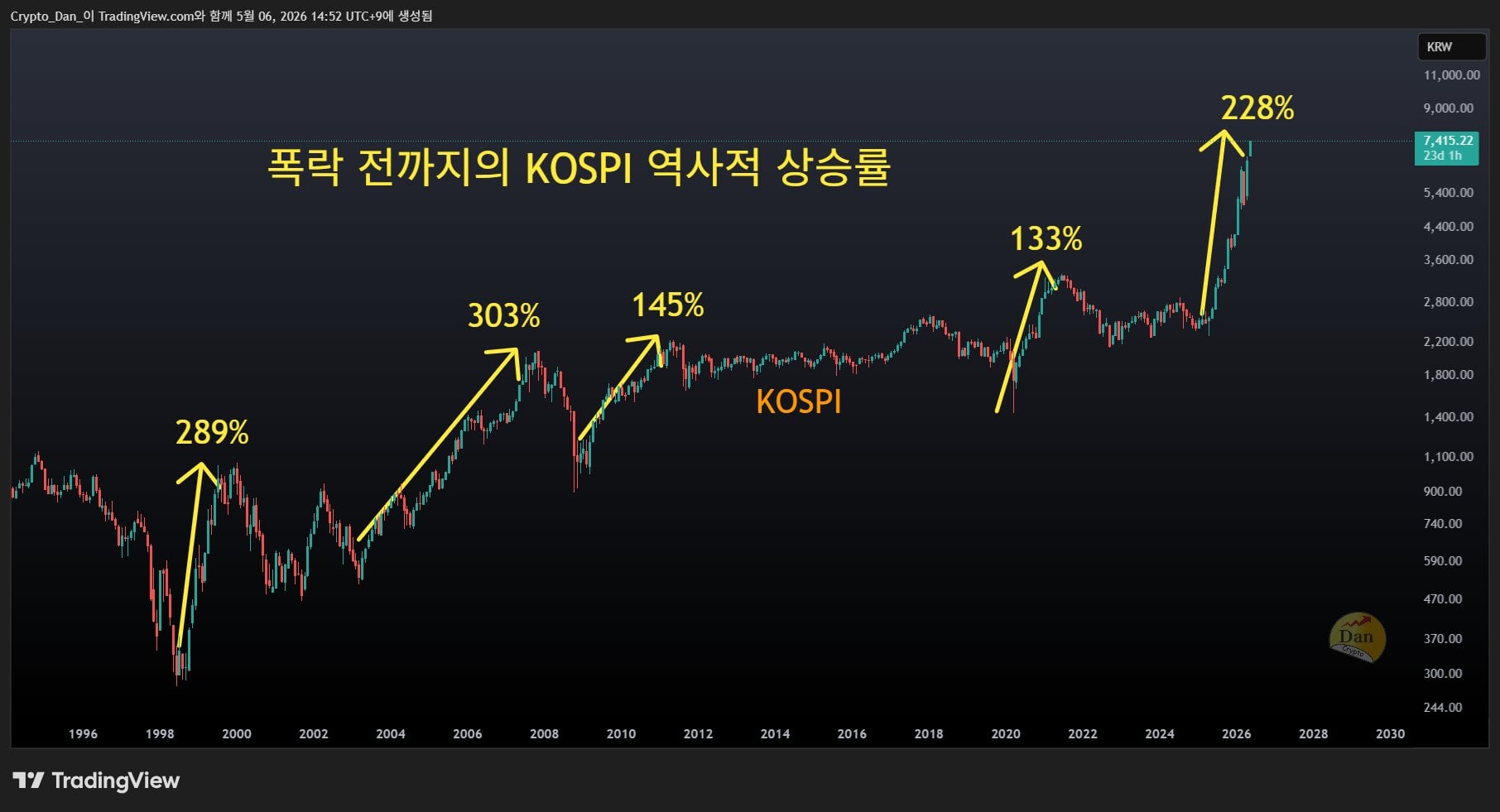
Recent company signals have reinforced the move. AMD jumped after forecasting stronger AI-server demand, with data-center revenue rising 57% in Q1. Infineon raised its 2026 outlook as AI data centers lifted demand for power-supply solutions. Samsung’s market value also crossed $1 trillion as memory-chip demand helped drive South Korea’s KOSPI to a record, extending the same AI-led equity surge across Taiwan and South Korea.
The capital rotation has been visible for weeks. The broader AI capex boom has pulled ETF demand into chips, while even company-specific stories such as Intel’s record stock rally have become part of the same trade: investors are paying for AI infrastructure exposure, manufacturing capacity, and strategic supply-chain value.
The supercycle argument is strong, but it carries the same warning that follows every capital-intensive boom. Memory and semiconductor markets have a long history of oversupply, inventory corrections, margin pressure, and violent drawdowns after demand expectations run too far ahead of real capacity absorption.
This cycle has a stronger foundation than many past chip rallies because AI infrastructure spending is visible, concentrated, and backed by hyperscaler budgets. The risk is valuation. When ETF baskets rise more than 50% in a few months and individual memory names reprice around shortage conditions, the market begins to price several years of perfect execution into today’s shares.
The chip trade now has the scale, earnings support, and global policy backing of a true supercycle. It also has the crowding risk of a market where every AI data-center announcement feeds the same equity basket. A sustainable rally needs the next data points to confirm the money behind the move: Q2 chip orders, HBM supply, hyperscaler capex, memory pricing, and whether AI revenue can keep growing fast enough to justify valuations that have already moved like a full-cycle boom.
The post AI Chip Supercycle Sends Semiconductor Stocks Into A Once-A-Decade Boom appeared first on Crypto Adventure.





