
Hey there,
Welcome to the April edition of All About Bitcoin!
Do you know what happened on April 5, 1933?
You probably already know if you’ve followed our celebrations earlier this month.
Every Bitcoiner should know. It’s the day the U.S. government attacked financial freedom with Executive Order 6102, banning private gold ownership.
April 5 is also Satoshi Nakamoto’s birthday.
To us, this date is a reminder: Own your money. Stay in control.
It’s also proof that we all have the power to say “No.”, just like Satoshi did.
Saying no to:
Giving up self-custody
Accepting the status quo
Trusting governments and banks to protect our assets
This month, we celebrate Satoshi’s legacy and the cypherpunk spirit within all of us. You always have a choice!
Bitcoin emerged from the turmoil of collapsing currencies and broken banking systems.
Trezor was born from the chaos of failing exchanges because trusting third parties with your bitcoin was never the answer.
“We wanted to make a couple of hardware wallets for our friends. But soon we realized that we had found a big market gap. Now we are one of the most trusted wallets in the world.”
— Marek “Slush” Palatinus, Co-Founder of Trezor
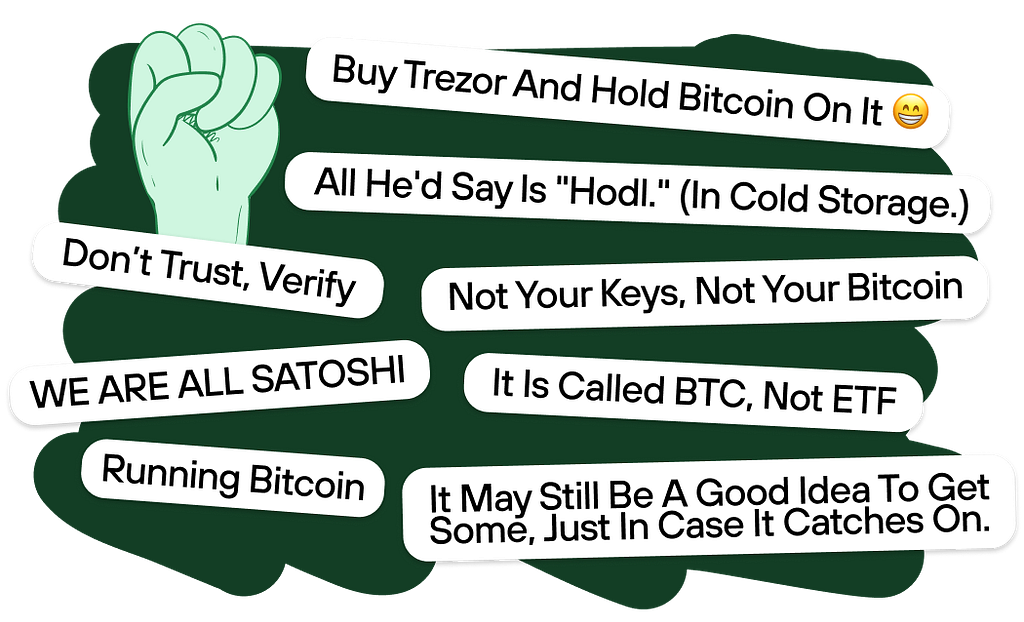
On Satoshi’s birthday, we asked our community on X (formerly Twitter):
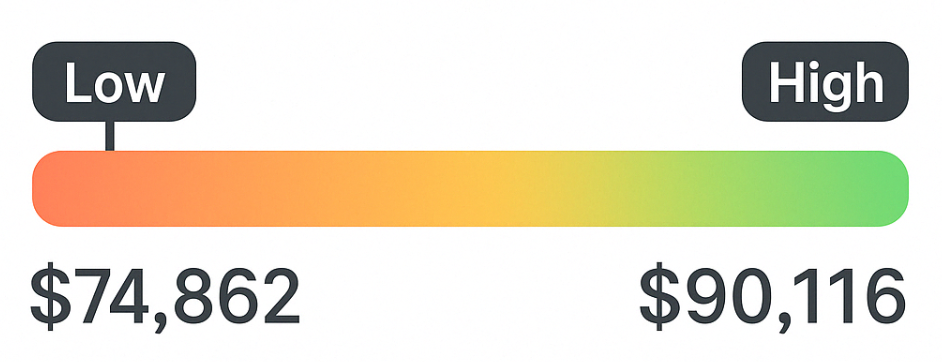
Let’s start by looking at the Bitcoin price movement over the past 30 days:
We sat down with Josef Tětek, the Trezor Academy Lead, author of Bitcoin: Separation of Money and State, and Stackuj Podcast host to explore how Bitcoin is thriving in Africa.
If you’re not paying to Africa’s Bitcoin revolution, you probably should be!

In this episode, you’ll discover:
• Why local educators are the key to Bitcoin adoption (it cannot be anyone else)
• How Bitcoin solves real financial problems in Africa (it starts from communities, not governments)
• The book that inspired Josef to launch the Trezor Academy program
• Why hostile banking environments fuel Bitcoin innovation
What does this mean?
The DOJ will no longer aggressively target self-custody Bitcoin wallets and privacy tools used by regular people to protect their financial freedom.
It would have been a dangerous precedent if offline wallets continued to be framed as something that only criminals might use to hide their assets.
Pakistan plans to tap into its 10,000-megawatt energy surplus to power Bitcoin mining and AI data centers.
Why this matters:
Who could be next to embrace Bitcoin mining? 🤔
Understanding Bitcoin UTXOs is key to managing your transactions efficiently, reducing fees, and protecting your privacy.
If you’re a Bitcoiner, you need to know this!
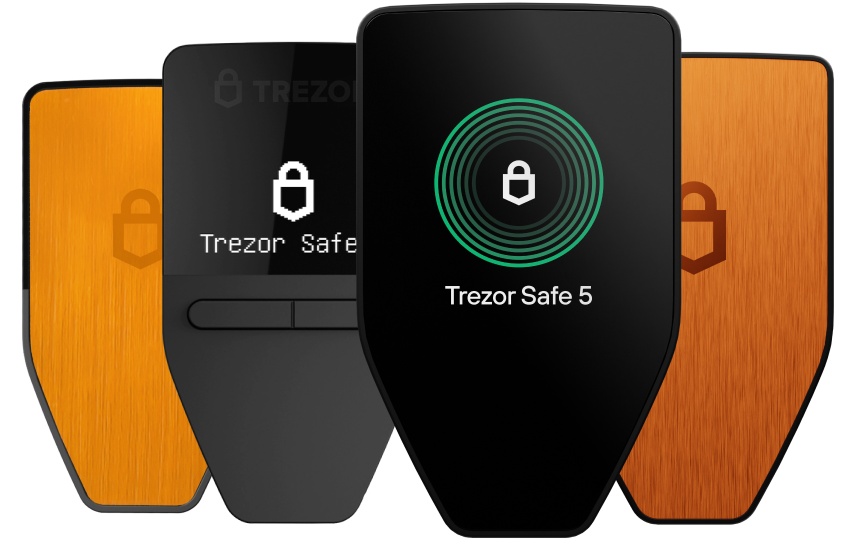
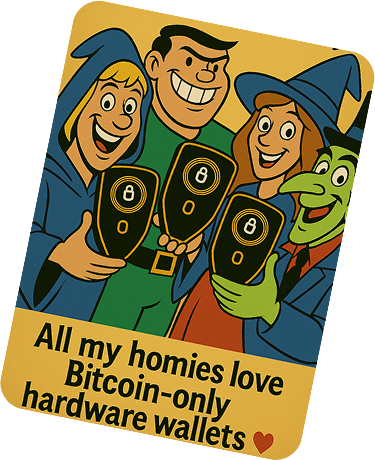
Secure, reliable, and designed exclusively for Bitcoin
Trezor Suite lets you install Bitcoin-only firmware easily.
He said the quiet part out loud…
BlackRock CEO Larry Fink warned in his 2025 letter to shareholders that Bitcoin could challenge USD’s reserve status.
“The U.S. has benefited from the dollar serving as the world’s reserve currency for decades. But that’s not guaranteed to last forever…”
How long can uncontrolled debt growth and currency devaluation last before people start looking at assets like Bitcoin more?
For trading between countries
For individual savers
For businesses
For a global reserve currency?…
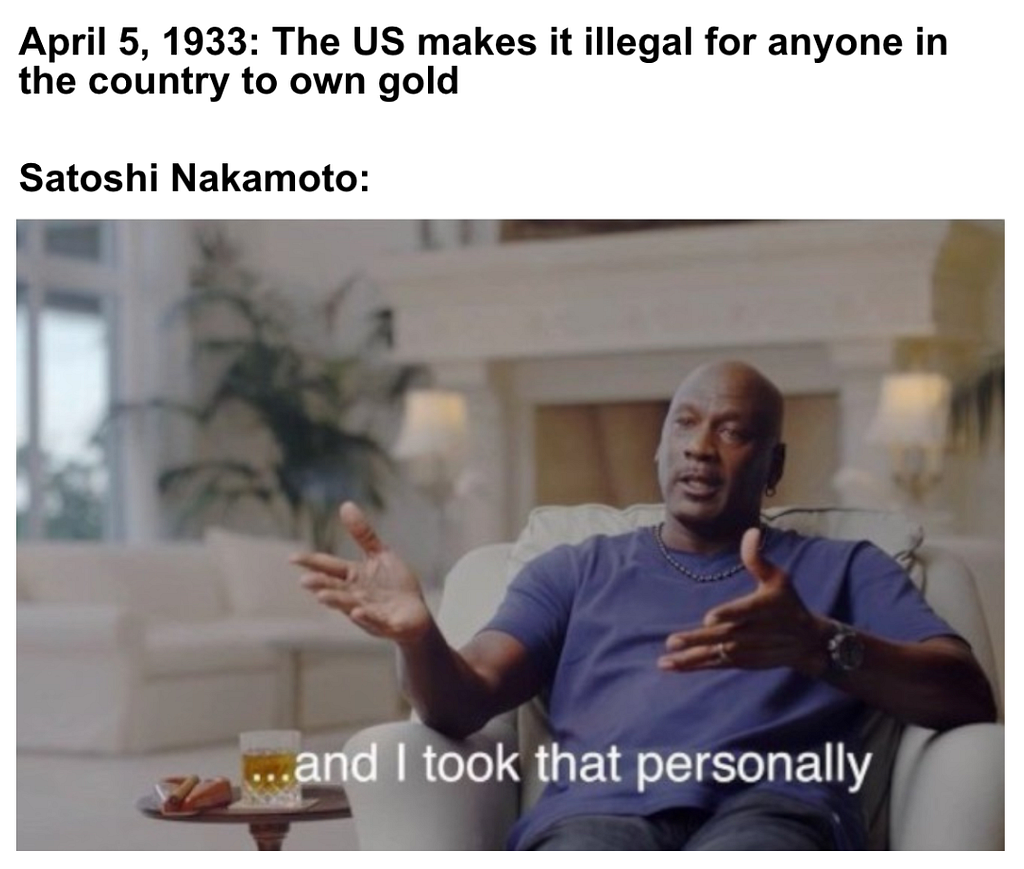
Satoshi took April 5, 1933, personally, and thanks to that, we can now self-custody hard money!
Thanks, Satoshi.
Trezor
Thanks for reading! If you enjoyed this article, give it a clap (or a few!) and drop a comment below — we’d love to hear your thoughts. Don’t forget to follow for more insights and updates on the exciting world of crypto security.
Stay secure, and see you next time!

All About Bitcoin — Honoring Satoshi and the Cypherpunk Ethos was originally published in Trezor Blog on Medium, where people are continuing the conversation by highlighting and responding to this story.





