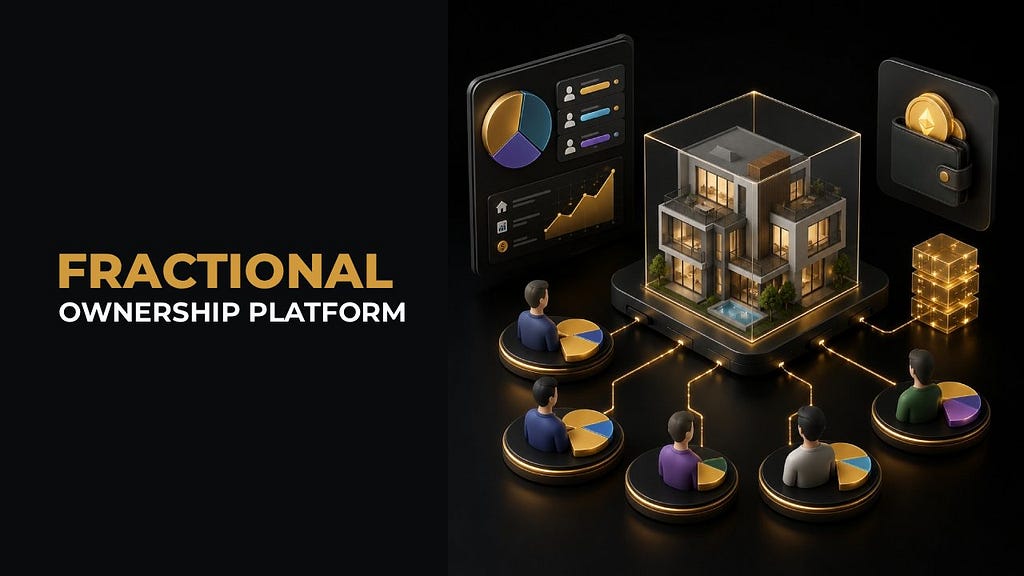
The investment landscape has undergone a major transformation in recent years, driven by blockchain technology, digital assets, and alternative investment models. Among these innovations, fractional ownership platforms have emerged as a powerful solution for democratizing access to high-value assets. Traditionally, investing in premium real estate, luxury collectibles, fine art, private equity, and other valuable assets required significant capital. Fractional ownership changes this by allowing multiple investors to collectively own portions of an asset.
Today, entrepreneurs, real estate firms, fintech startups, and investment companies are increasingly launching fractional ownership platforms to attract global investors and create new revenue streams. These platforms enable users to purchase shares of assets, reducing investment barriers while increasing liquidity and accessibility.
Whether you’re planning to tokenize real estate, luxury goods, renewable energy projects, or alternative assets, understanding the platform development process is critical. This guide explains everything you need to know about launching a successful fractional ownership platform.
A fractional ownership platform is a digital marketplace that allows multiple investors to purchase and own shares of a high-value asset. Instead of requiring one investor to buy an entire property or asset, ownership is divided into smaller units that can be purchased individually.
For example, a commercial property worth $5 million can be divided into 50,000 shares. Investors can buy shares based on their budget and receive ownership rights proportional to their investment.
These platforms use advanced technologies such as blockchain, smart contracts, and digital asset management systems to facilitate secure ownership transfers, investment tracking, and revenue distribution.
Several factors are contributing to the growth of fractional ownership platforms.
Investors can participate in premium asset classes without committing large amounts of capital.
Fractional shares can often be traded more easily than entire assets.
Investors can spread capital across multiple assets rather than concentrating it in a single investment.
Digital platforms allow investors from different regions to participate in investment opportunities.
Blockchain technology provides immutable ownership records and transaction histories.
A fractional ownership platform can support various asset classes.
Residential properties, commercial buildings, vacation rentals, and industrial facilities.
Luxury watches, exotic vehicles, yachts, and collectibles.
Paintings, sculptures, and rare artworks.
Renewable energy facilities, wind power developments, and sustainable infrastructure assets.
Farmland, agricultural equipment, and crop production assets.
Startup investments and privately held businesses.
Patents, music royalties, and digital content rights.
Before developing a platform, determine how your business will operate.
Identify the asset classes your platform will support.
Common revenue models include:
Your platform may target:
A clearly defined business model creates a strong foundation for platform development.
Comprehensive market research helps validate demand and identify opportunities.
Study existing platforms and evaluate:
Identify:
Monitor emerging trends in tokenization, blockchain adoption, and alternative investments.
Regulatory compliance is one of the most important aspects of launching a fractional ownership platform.
Many fractional ownership models involve securities laws and investor protection requirements.
Know Your Customer procedures verify investor identities.
Anti-Money Laundering systems help prevent financial crimes.
Certain investment opportunities may require accredited investor verification.
Ensure compliance with applicable privacy regulations.
Working with legal experts can help avoid compliance challenges and regulatory risks.
Technology determines the platform’s performance, security, and scalability.
Build user-friendly interfaces for investors and administrators.
Create secure systems to manage transactions, users, and assets.
Deploy scalable cloud environments to support growth.
Store investor, asset, and transaction information securely.
Enable communication between various platform components.
A robust technology stack ensures smooth platform operations.
Blockchain plays a central role in modern fractional ownership platforms.
Blockchain creates transparent ownership records.
Each transaction is securely documented and cannot be modified after confirmation.
Blockchain reduces manual processing requirements.
Decentralized architecture minimizes fraud risks.
Popular blockchain networks include Ethereum, Polygon, Solana, and Avalanche.
Smart contracts automate essential platform functions.
Automatically allocate ownership shares.
Distribute rental income, dividends, or profits.
Manage ownership transfers securely.
Enforce regulatory requirements automatically.
Enable investor participation in governance decisions.
Thorough auditing is necessary to ensure contract security.
Tokenization converts ownership rights into digital tokens.
Determine asset value through professional assessments.
Issue digital tokens representing ownership shares.
Assign tokens to investors.
Track ownership changes and distributions.
Tokenization increases flexibility and investment accessibility.
Investor onboarding directly impacts user experience.
Provide simple account creation workflows.
Implement KYC verification procedures.
Evaluate investor suitability.
Allow investors to monitor portfolios and returns.
A seamless onboarding experience improves user retention and platform growth.
Efficient payment systems support investment activities.
Enable direct deposits and withdrawals.
Support traditional payment methods.
Allow digital asset transactions.
Accommodate global investors.
Secure payment gateways enhance trust and convenience.
Liquidity is a major advantage of fractional ownership.
Allow investors to buy and sell shares.
Connect buyers and sellers efficiently.
Support transparent asset valuation.
Automate transaction completion.
Secondary markets increase platform attractiveness and investor engagement.
A successful platform should include:
Portfolio tracking and investment management.
Browse available investment opportunities.
Integrated KYC and AML systems.
Automated ownership management.
Secure transaction support.
Performance tracking and reporting.
Investment updates and alerts.
Access across devices.
Data protection and fraud prevention.
Platform management and oversight.
After development, attracting investors becomes a priority.
Publish educational content about alternative investments.
Improve organic visibility through targeted keywords.
Build investor communities on major platforms.
Collaborate with industry experts.
Nurture investor relationships.
Gain media coverage and industry recognition.
A comprehensive marketing strategy drives user acquisition and platform growth.
Solution: Work with experienced legal advisors.
Solution: Create educational resources and tutorials.
Solution: Develop robust secondary trading capabilities.
Solution: Conduct audits and implement advanced security measures.
Solution: Use cloud-based infrastructure and modular architecture.
The future of fractional ownership is closely tied to blockchain innovation and digital asset adoption.
Emerging trends include:
As these technologies mature, fractional ownership platforms are expected to become a mainstream investment model across multiple industries.
Launching a fractional ownership platform requires careful planning, regulatory compliance, advanced technology, and a clear business strategy. From selecting the right asset class and implementing blockchain technology to developing smart contracts and creating investor-friendly experiences, every step plays a critical role in long-term success.
By combining secure infrastructure, regulatory compliance, transparent ownership management, and effective marketing strategies, businesses can create platforms that attract investors and unlock new opportunities in alternative asset markets.
As demand for fractional investments continues to grow, now is an ideal time for entrepreneurs, real estate firms, fintech companies, and blockchain startups to enter this rapidly expanding industry and build the next generation of investment platforms.
How to Launch a Fractional Ownership Platform? was originally published in Coinmonks on Medium, where people are continuing the conversation by highlighting and responding to this story.





